Why Opposing Rotors Solved Only One Problem
A helicopter rotor does two jobs at once: its blades push air downward to create lift, and the motor pushing those blades around receives an equal twisting reaction in the opposite direction. Without a way to counter that reaction, the aircraft’s body would tend to spin as the rotor turned.
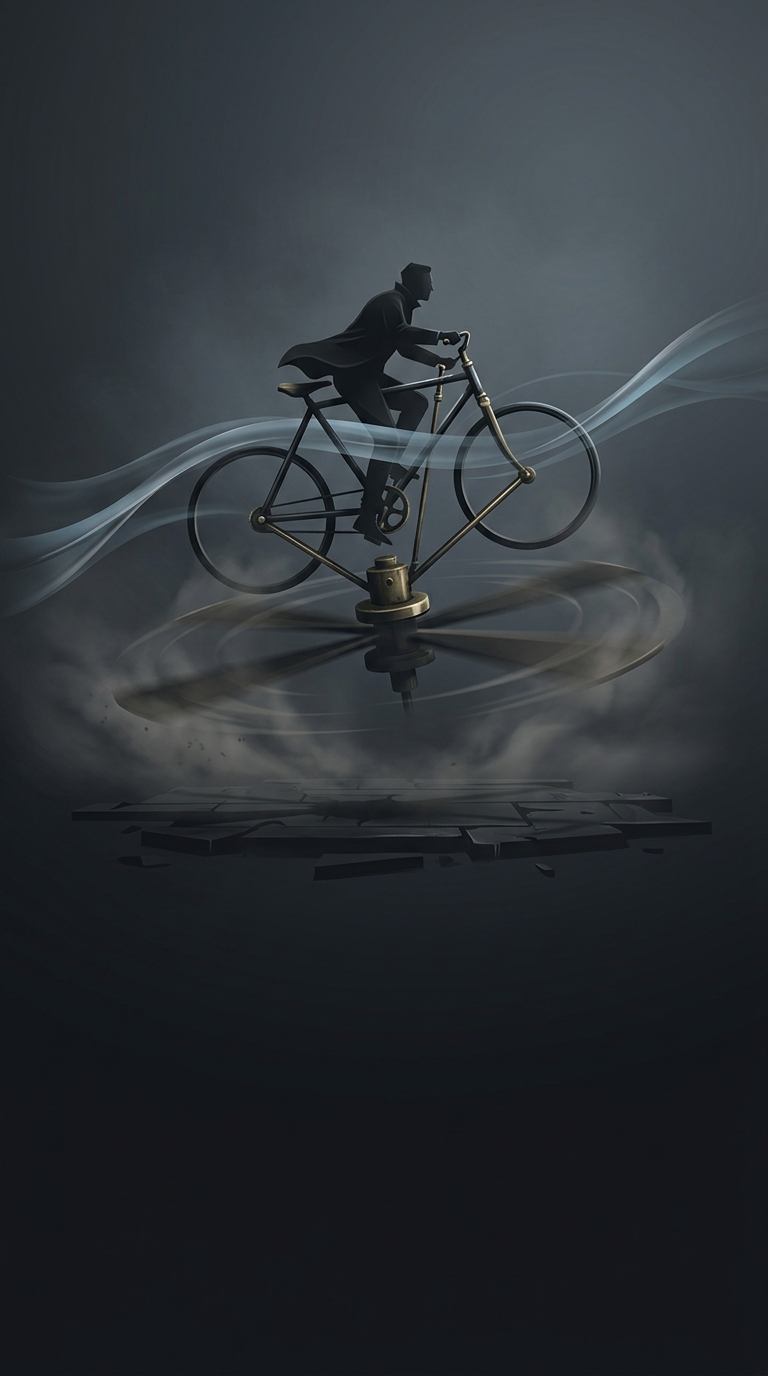
Cornu’s paired rotors addressed this torque problem mechanically. Because they turned in opposite directions, their twisting effects could largely balance. That kept the frame from simply rotating with the blades—but it did not automatically tell the aircraft where to go or hold it steady.
Lift Is Not the Same as Control
A brief hover is a delicate balance. If one side produces slightly more lift, or the machine tilts, the aircraft begins to drift; its motion can then make the imbalance harder to correct. A fixed-wing airplane can gain stability from its wings and forward motion. A hovering rotorcraft has to manage its position while relying on spinning blades for nearly all its support.
That distinction explains why getting Cornu’s craft off the ground was a milestone, not proof that a practical helicopter had arrived. The demonstration showed that a person-carrying machine could rise on rotary wings. Reliable steering and balance remained separate engineering challenges: the rotors could hold the aircraft up, but they could not by themselves guarantee that it would stay level or move in a chosen direction.
The lasting lesson is that canceling the force that spins an aircraft is not the same as controlling its flight. Cornu’s short lift exposed the next problem engineers had to solve: turning raw rotor power into stable, directed motion.