A Blink Breaks the Stare
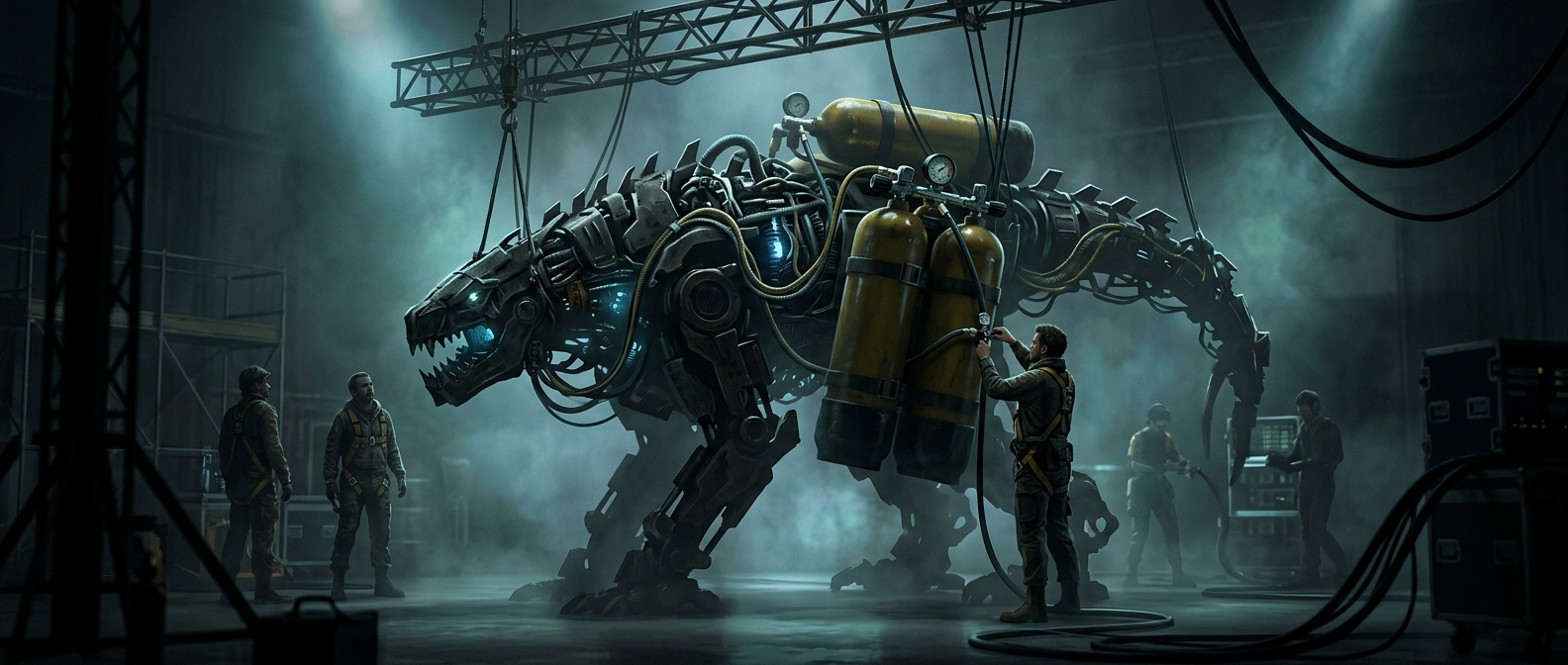
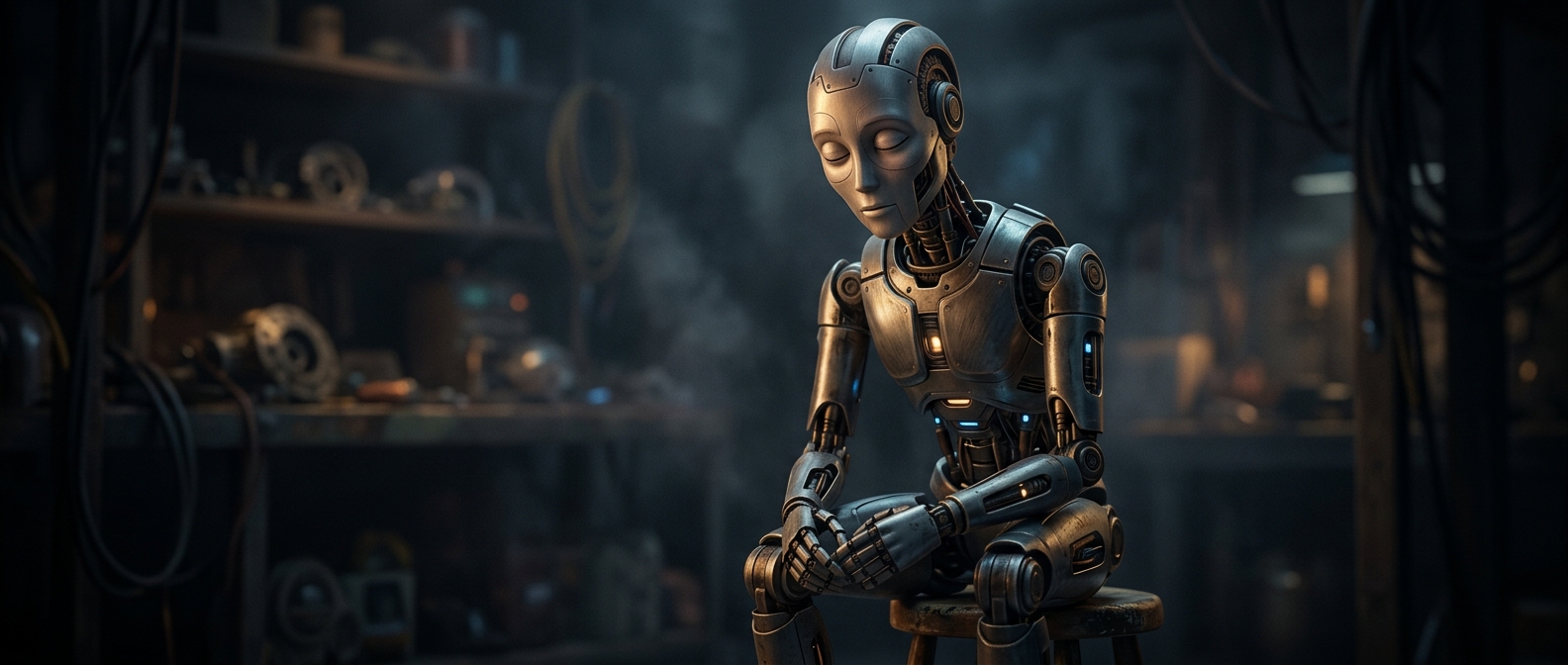
A fixed gaze can make a mechanical character feel less like a performer and more like a statue—or something watching from across the room. A blink interrupts that stare with a familiar human gesture. The brief movement helps an animatronic seem more attentive and alive, even though its face is moving according to a programmed sequence.
Why the Timing Isn’t Metronomic
If the eyelids closed at the same interval every time, visitors could quickly notice the rhythm. That would make the blink feel like a machine cycle rather than part of the character’s behavior. Programming the timing to vary keeps the pauses from becoming as predictable; the controller can trigger the eyelids after differing waits instead of following one steady beat.
The aim is not perfect realism. A blink still has to work within the character’s mechanical limits: eyelids need to move reliably, and the movement must fit the rest of the performance. But even a small, irregular pause can change how a face reads. A few seconds without a blink can feel like a stare; one well-timed blink gives the audience a reason to read the same face as a character.