Venice numbers belong to districts, not streets
In much of Venice, an address number is not a sequence that resets on each street. Buildings are numbered across a sestiere—one of the city’s six traditional districts—so the next number may be around a corner, across a canal, or on a different lane altogether. The sequence reflects how addresses were assigned within the district, not a building’s position on a tidy street grid.
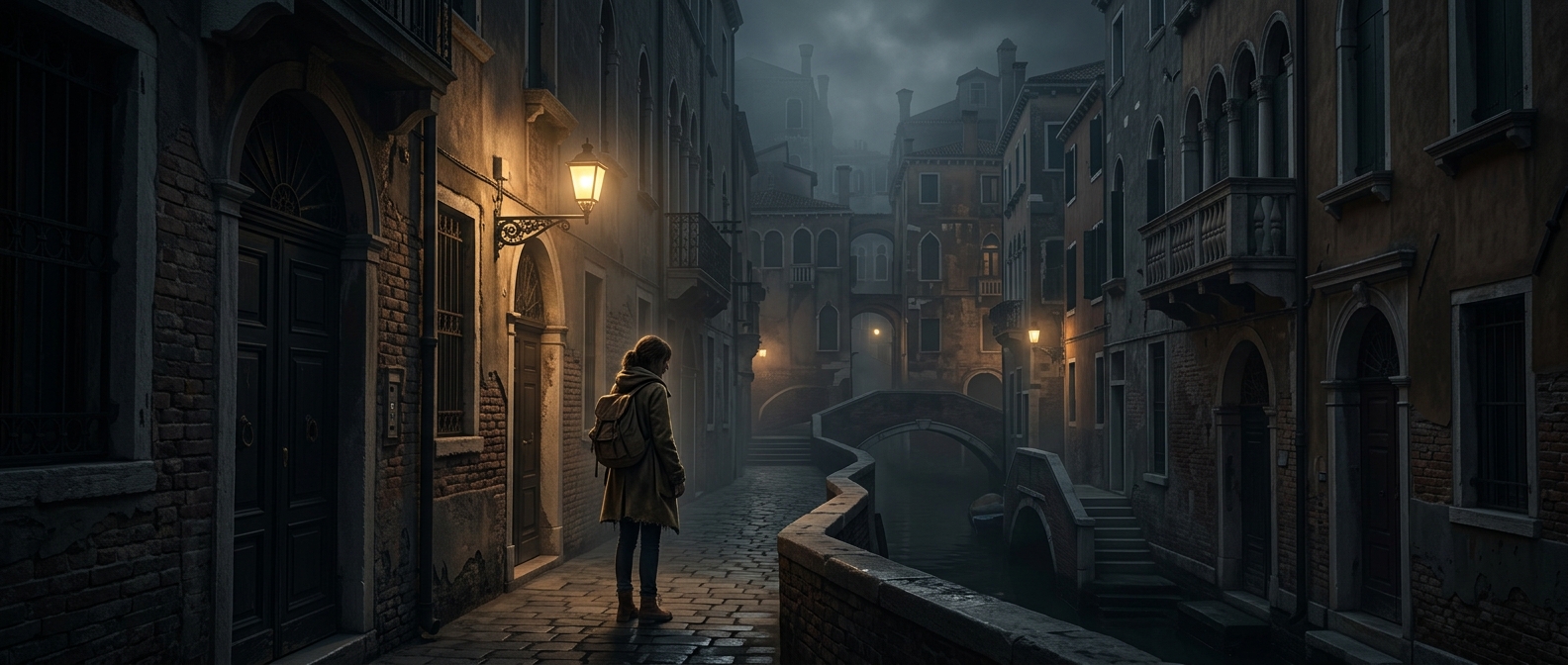
That system makes sense in a city whose paths twist between waterways and whose streets often end at canals. A conventional pattern—low numbers at one end of a road, rising steadily toward the other—would be difficult to apply across such a fragmented layout. District-wide numbering gives each property an address without pretending that Venice is organized like a grid.
What to use instead
A number alone is therefore a poor set of directions. Venetian addresses pair it with the district, but even that combination may not tell a visitor which turn to take. To find a destination, follow the named street or landmark as well as the address, and check a map rather than expecting nearby numbers to guide you.
The surprise is that a short walk can take you past numbers that seem to jump wildly. They are not measuring distance: they are entries in a district-wide sequence. In Venice, the route is something you navigate through the city’s lanes and bridges—not something you can reliably read from the house numbers.