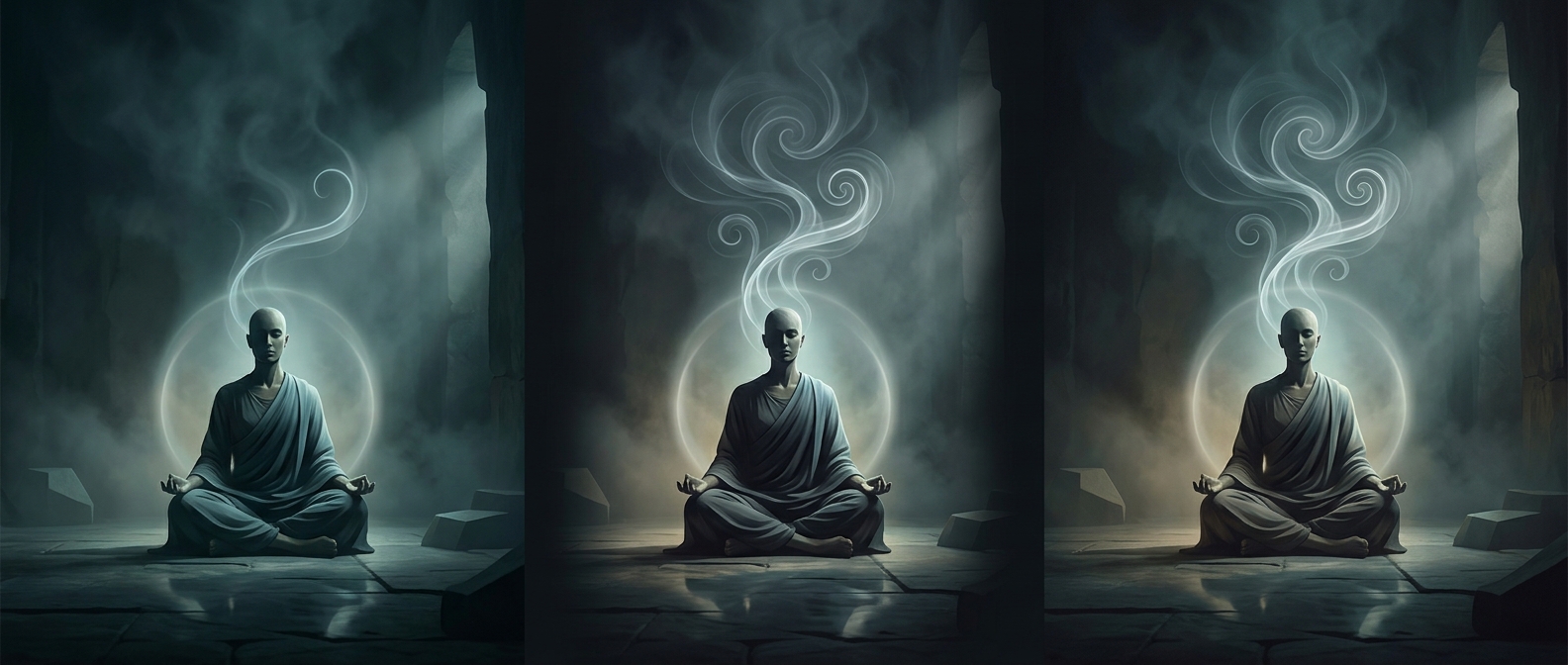
What “posture” meant in early yoga
Yoga has never been one fixed practice, but many influential early accounts treated it chiefly as a way to train attention and reach spiritual insight. In the Yoga Sutras, a foundational text, posture is described briefly as a position that is steady and comfortable. The point was not to perform a long sequence of challenging shapes; it was to sit without distraction so the mind could be steadied for meditation.
Breathing exercises served a similar purpose. By regulating the breath, practitioners sought to settle attention and prepare for deeper concentration. In this setting, a posture was useful less for how it looked than for whether someone could hold it while turning inward.
Physical techniques grew, but for different ends
Later traditions, including forms of hatha yoga, developed a wider range of bodily practices. These could involve more than sitting: practitioners used postures, breath control, and other disciplines to cultivate and regulate the body. Yet these methods were generally part of a larger spiritual system, not simply a workout organized around flexibility.
The familiar modern class—with flowing sequences, standing balances, and extended stretching—took shape through later changes in how yoga was taught and practiced. Teachers adapted physical training to new settings and audiences, helping make movement a much more visible part of yoga. That shift did not erase meditation or breathing; it changed which parts many students encounter first.
The difference is easy to see in the purpose of a pose: in an early meditation-centered practice, success could mean sitting steadily enough to forget the pose was there.