A headbutt is often a scent exchange
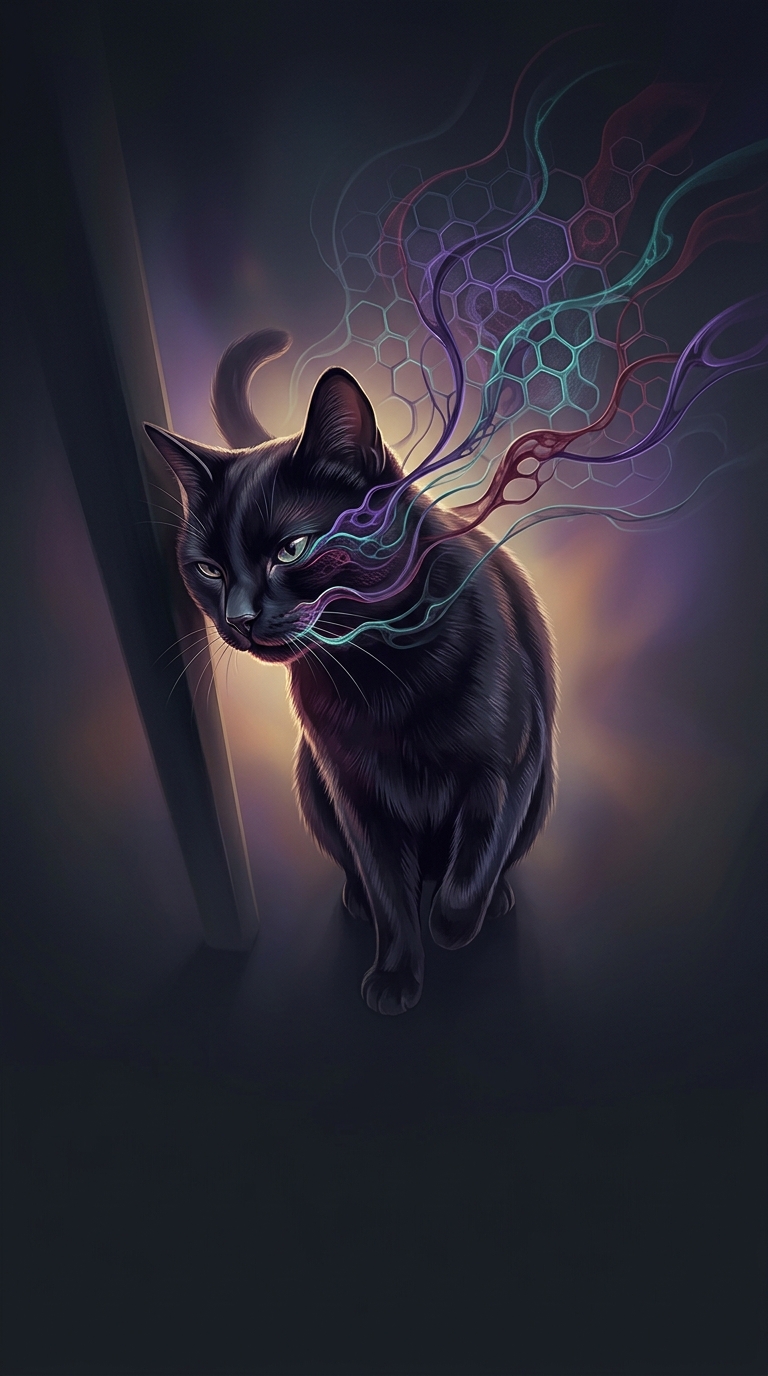
Cats have scent-producing glands around their cheeks, chin, forehead, and mouth. When a cat presses its face against your leg or a piece of furniture, it leaves some of that scent behind. The behavior is called bunting when the cat bumps or presses its head against someone or something.
The scent is not a message humans can smell, and it does not work like a name tag. It helps make a person or place familiar to the cat. Rubbing a cheek along a table corner or chair leg can also refresh scent marks as they fade.
Why the rubbing can look so forceful
Cats often repeat the motion because one rub does not cover much surface, and a leg or furniture edge gives them something solid to press against. The dramatic head bump may also be a greeting or a way to seek contact. Context helps: a relaxed cat that approaches, rubs, and lingers is usually comfortable, while rubbing followed by pacing or persistent vocalizing may be an attempt to get food or attention.
A cat that suddenly rubs its face far more than usual, especially with scratching, redness, or discharge, may have irritation rather than simply be marking its familiar surroundings. Otherwise, the “aggression” is often a cat’s practical way of making a trusted person or place smell more like home.