A dead crow can signal danger to the living
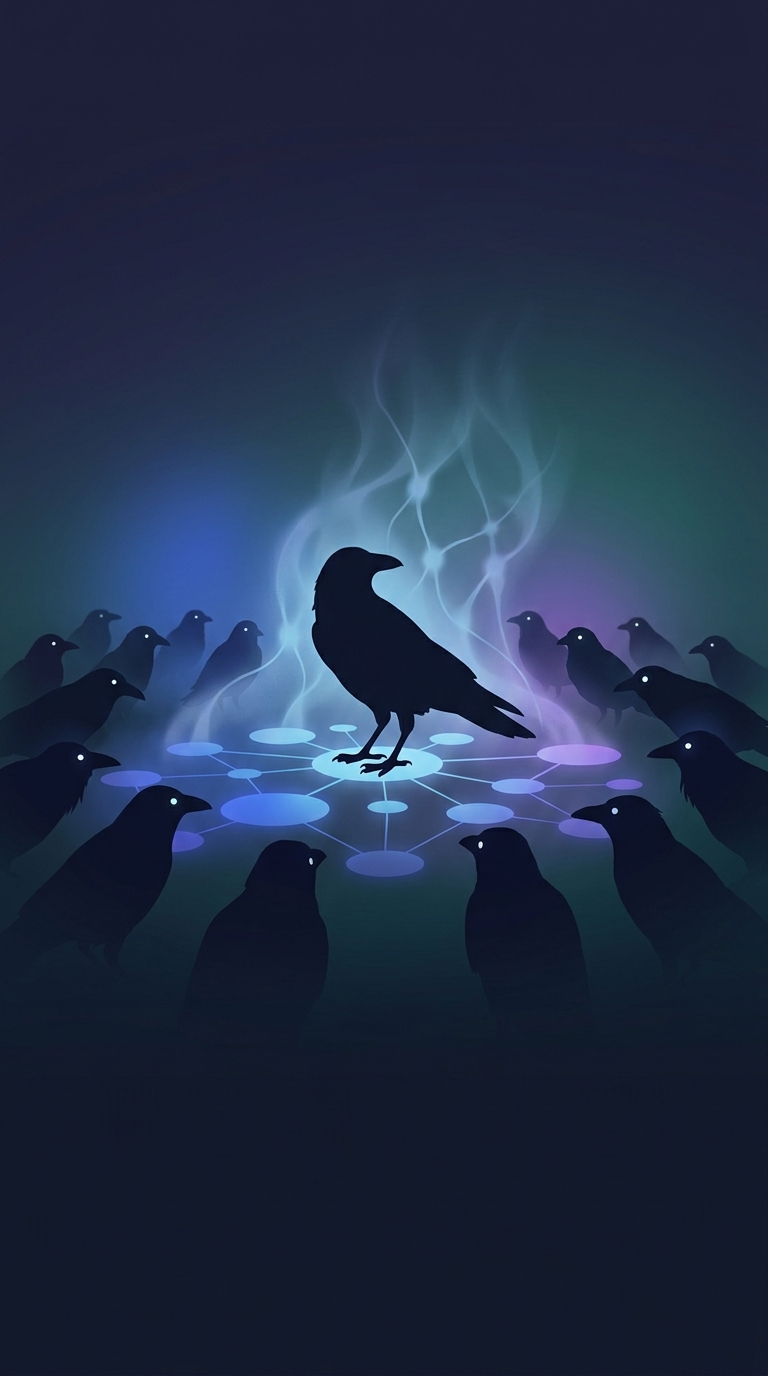
When crows find a dead member of their group, they often call loudly and gather nearby. The scene is less a funeral than a response to a possible threat: a crow that died may have been killed by a predator, exposed to poison, or encountered some other hazard. The others need to know whether the danger is still present.
The gathering helps crows learn
Alarm calls draw other crows in, while the birds watch the body and scan the surroundings. They may mob a predator—crowding it and calling to drive it away—or keep their distance if the situation looks unsafe. By connecting the death with a nearby place, animal, or person, they can learn what to avoid later. This is social learning: one bird’s encounter gives others information without requiring them to face the same risk themselves.
That response can outlast the immediate gathering. Crows may remember people they associate with danger and warn others, turning a single encounter into shared knowledge.
Not proof of human-like mourning
Crows are social and intelligent, but gathering around a body alone cannot tell us exactly what they feel. What the behavior clearly does is help them assess danger and alert the group. A fallen crow can become a warning the flock carries with it.