Why a Director Can Seem Like a Film’s Author
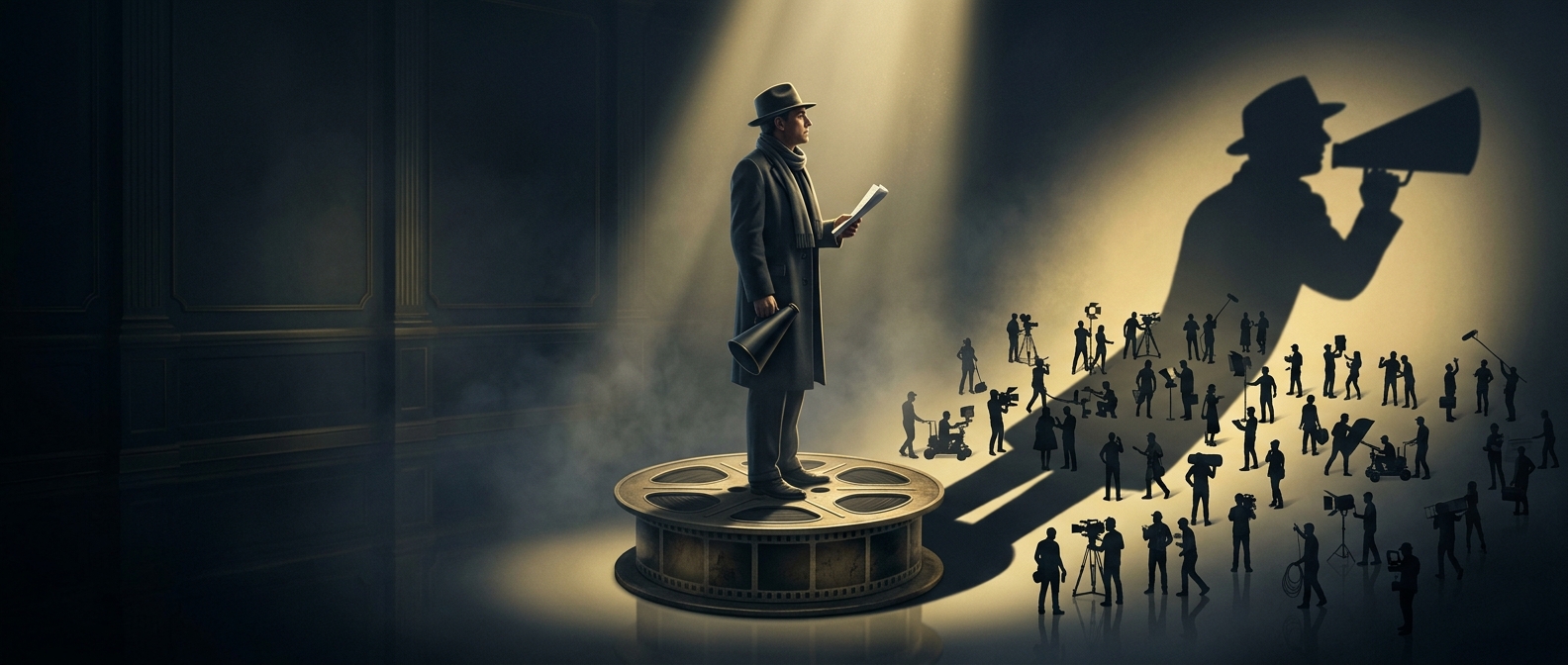
A finished movie has a recognizable tone, but that tone is assembled from decisions made across many departments. The director helps shape the whole: guiding performances, choosing among visual approaches, and deciding how scenes should work together. That coordinating role can make the director’s influence unusually visible—even when the means of achieving a particular effect belong to someone else.
One Vision, Many Forms of Expertise
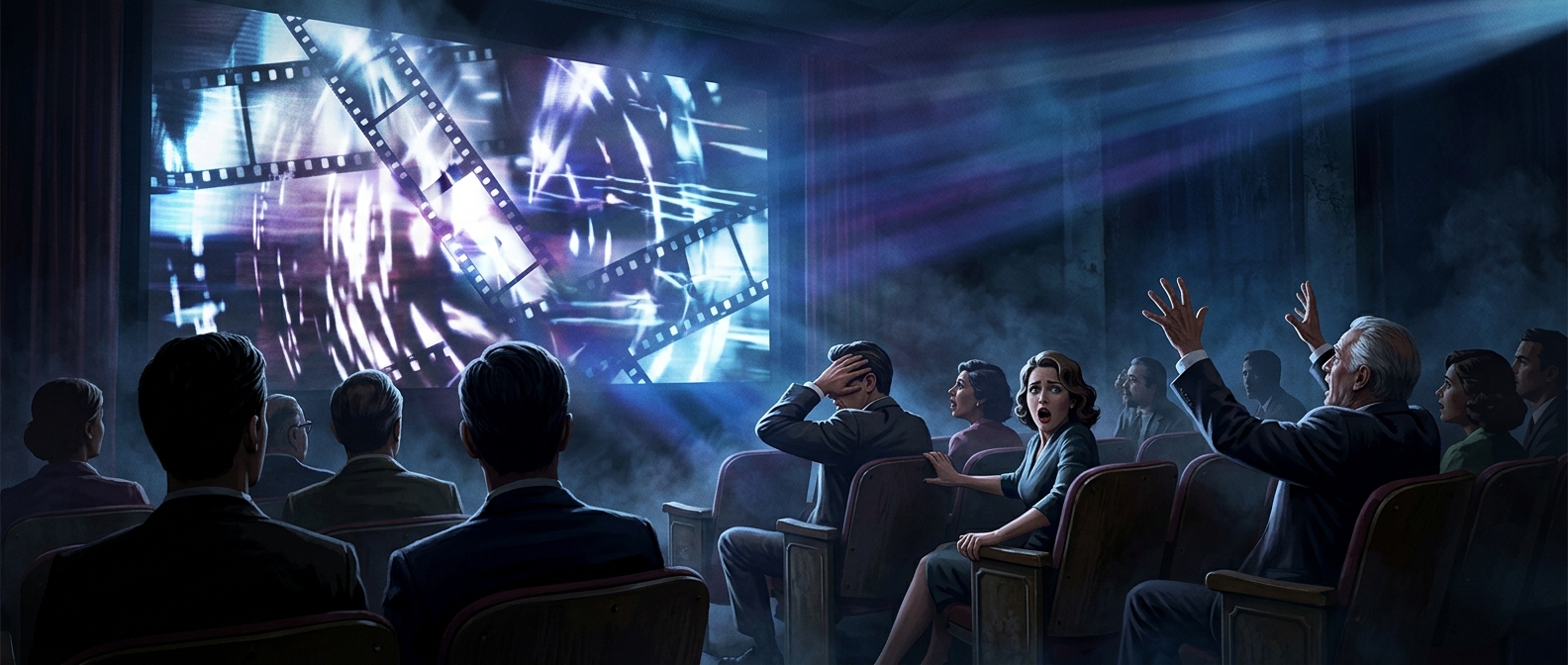
Consider a tense scene in a dark room. A production designer may determine the room’s layout and objects; lighting technicians make the space readable while controlling what stays in shadow; actors and the director shape the performances; and an editor controls when the audience sees each reaction. The scene’s effect comes from these choices working in concert, not from one person performing every task.
The director’s job is partly to connect those contributions. A lighting choice can support the mood of a performance; an edit can preserve or disrupt the rhythm established on set. The result may feel coherent because someone has made decisions about how the pieces fit, while the specialist craft behind each piece remains essential.
What Auteur Theory Highlights—and Hides
Auteur theory treats a director as the primary creative author of a film, especially when patterns across a director’s work suggest a distinctive style. It offers a useful way to discuss recurring choices, but it can compress a complicated production into a single name. That shorthand is easy to remember; the finished film’s actual authorship is distributed across people whose work may be less visible to audiences.
So a director’s prominence is not proof that the movie was made alone. It reflects the difference between having a central role in coordinating a project and supplying every idea or skill that gives it shape.