How a Mask Changes the Comparison
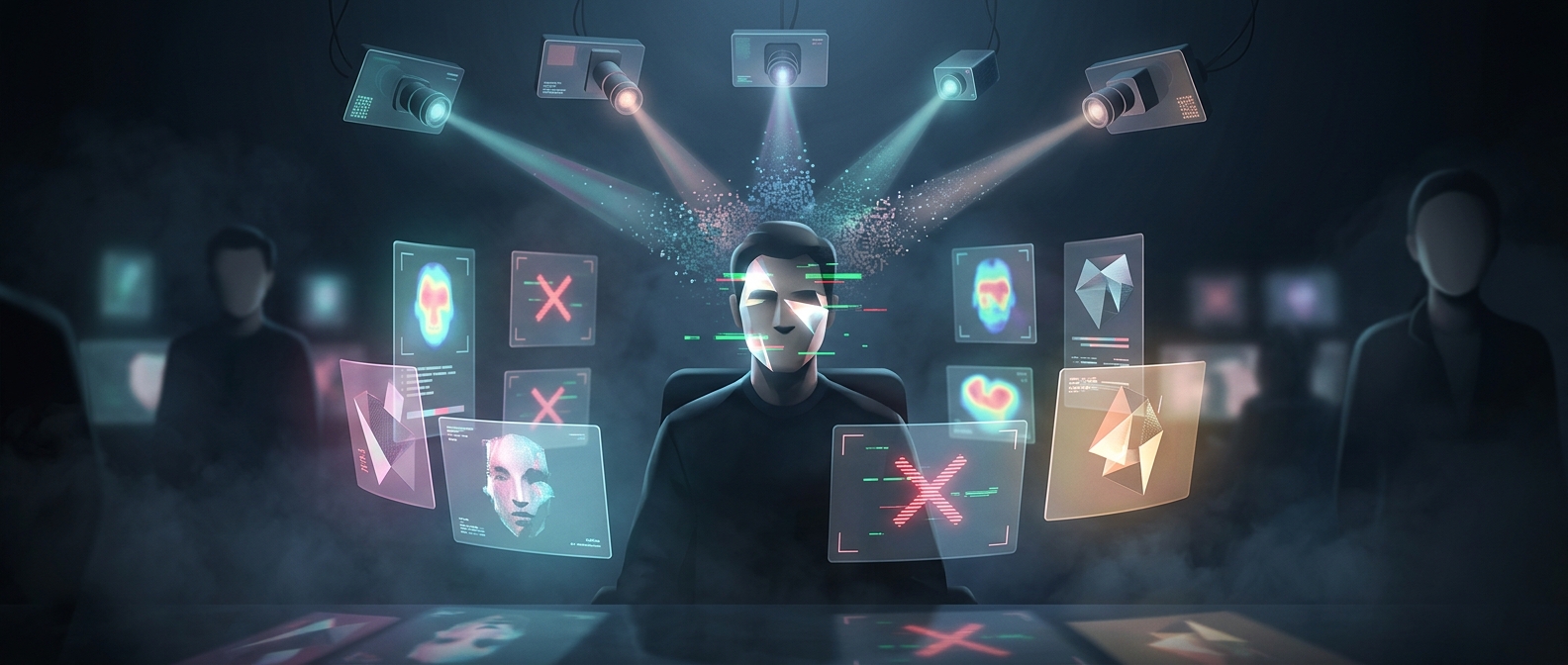
A face-recognition system does not need to “see” a face the way a person does. It typically turns an image into a numerical representation of facial patterns, then compares that representation with one made from an enrolled image. A mask removes much of the lower face from the input, so the system has fewer visible patterns to compare and may produce a less reliable match.
The remaining information can still matter. The eye area, brow, and shape of the upper face may provide enough signal for some systems to identify a person, especially when the image is clear and the reference image shows a similar angle and lighting. Other systems may be less capable of matching faces when key regions are covered.
Why Results Vary
Recognition is a comparison, not a simple yes-or-no reading of identity. Software generally measures how similar two representations are and applies a decision threshold. With less of the face visible, a genuine match may fall below that threshold and be rejected; lowering the threshold to accept more uncertain matches can also increase the chance of accepting the wrong person.
Image quality compounds the problem. A distant, blurry, tilted, or poorly lit face gives the system less usable detail even before a mask is involved. The practical consequence is that a mask can make recognition less dependable, but it does not guarantee failure: the outcome depends on what the system was designed to compare and how much clear facial information remains.