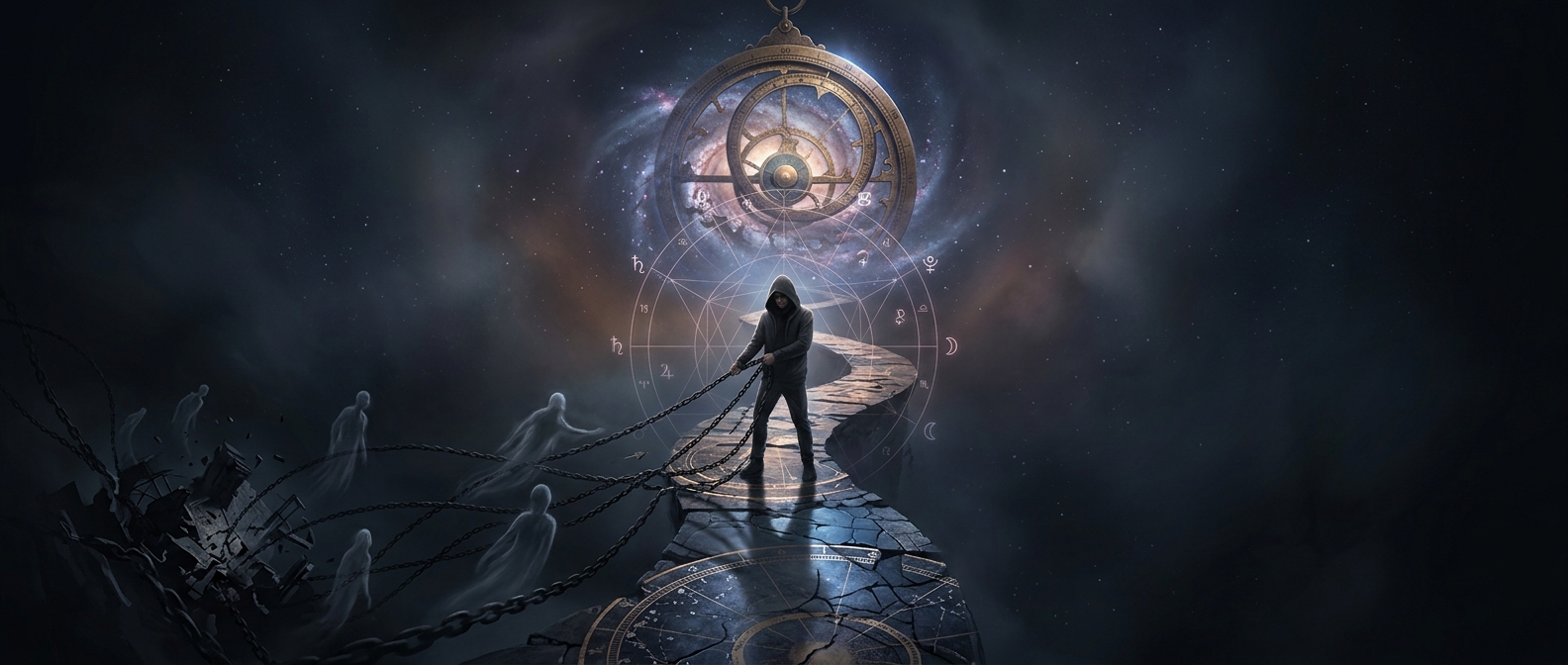
Karma Is About How Actions Shape What Follows
The word karma comes from a term for action. In several Indian religious traditions, it describes a moral cause-and-effect relationship: what a person does—and, in many teachings, the intention behind it—helps shape future experience. It is not necessarily imagined as a judge keeping score or as an immediate reward system. Consequences may be indirect or delayed, and some traditions connect them to rebirth.
The Idea Differs Across Traditions
Hindu, Buddhist, and Jain teachings all give karma an important role, but they do not explain it in exactly the same way. They differ, for example, in how they understand the self and how karma relates to liberation from the cycle of rebirth. In Buddhism, intention is especially important to the moral quality of an action; Jain traditions emphasize how actions bind the soul. These differences matter: karma is not one uniform doctrine with a single agreed-upon mechanism.
Not a Guarantee That Life Is Fair
In everyday speech, karma often means that someone will get what they deserve. That shorthand can obscure the religious idea—and can wrongly suggest that every hardship proves a person did something bad. Karma is better understood as a framework for thinking about how conduct and intention matter, even when their consequences are not visible or immediate.
Its practical force is less like watching a score settle and more like a reminder that choices have a moral direction: what a person repeatedly does helps shape the life they are making.