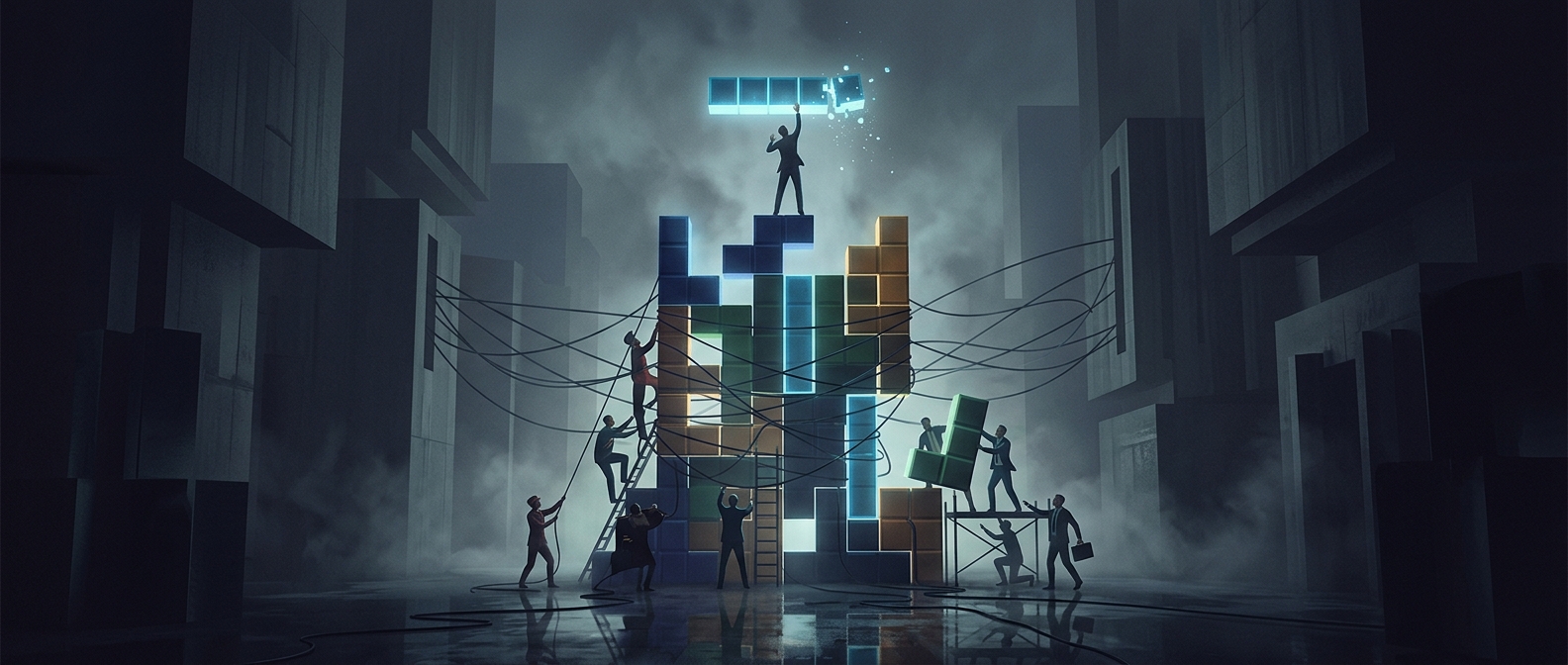
Turning a Building’s Lights Into a Logic Puzzle
A picture made from lit windows is easy to recognize from a distance. The harder question is how to let someone reconstruct it without showing the picture itself. Nonograms solve that problem by replacing the image with numerical clues arranged around a grid.
Each number describes a run of filled-in squares in one row or column. A clue of 3, 1, for example, means three filled squares, then at least one empty square, then one filled square. The player uses the clues from both directions: a row may allow several arrangements at first, but the column clues can rule out all but one.
Why the Clues Make the Image Solvable
The numbers are not simply labels for each line. They encode the lengths and order of the dark segments while leaving their exact positions unknown. Solving means finding a pattern that satisfies every row and every column at once. A single decision can narrow possibilities elsewhere, so progress often comes from switching between the two sets of clues rather than guessing what the finished picture ought to be.
That structure is what makes the illuminated-window idea work as a game. The lights provide a binary image—each window is either on or off—and the grid turns that image into a set of constraints. The puzzle is designed so those constraints lead back to a recognizable picture, one square at a time. The reveal is not just an illustration at the end; it is the result of the player’s deductions.