A lie has to compete with the honest answer
In an ordinary conversation, the truthful response is often ready to use. A lie may require replacing it with a different account, remembering what was said, and adjusting the story as the other person asks questions. That extra mental work can make deception harder to maintain.
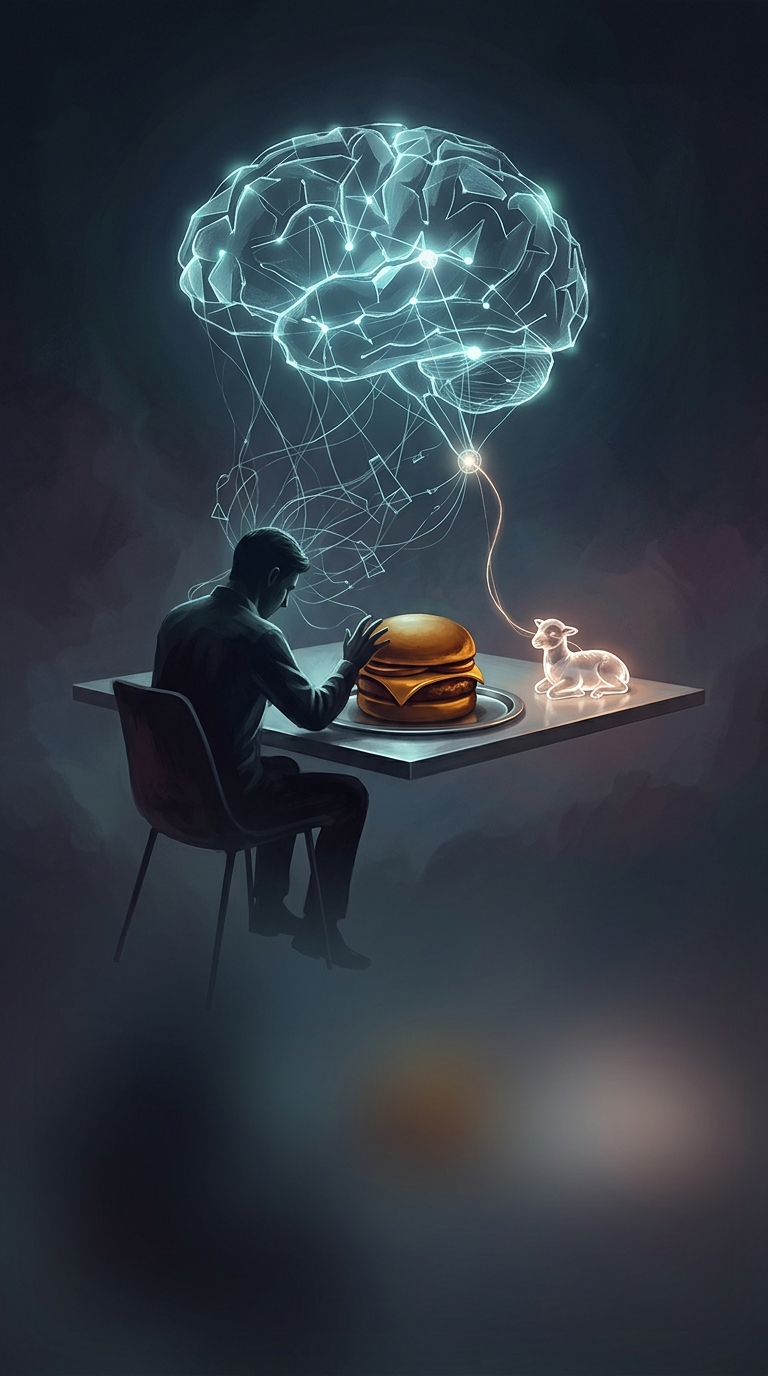
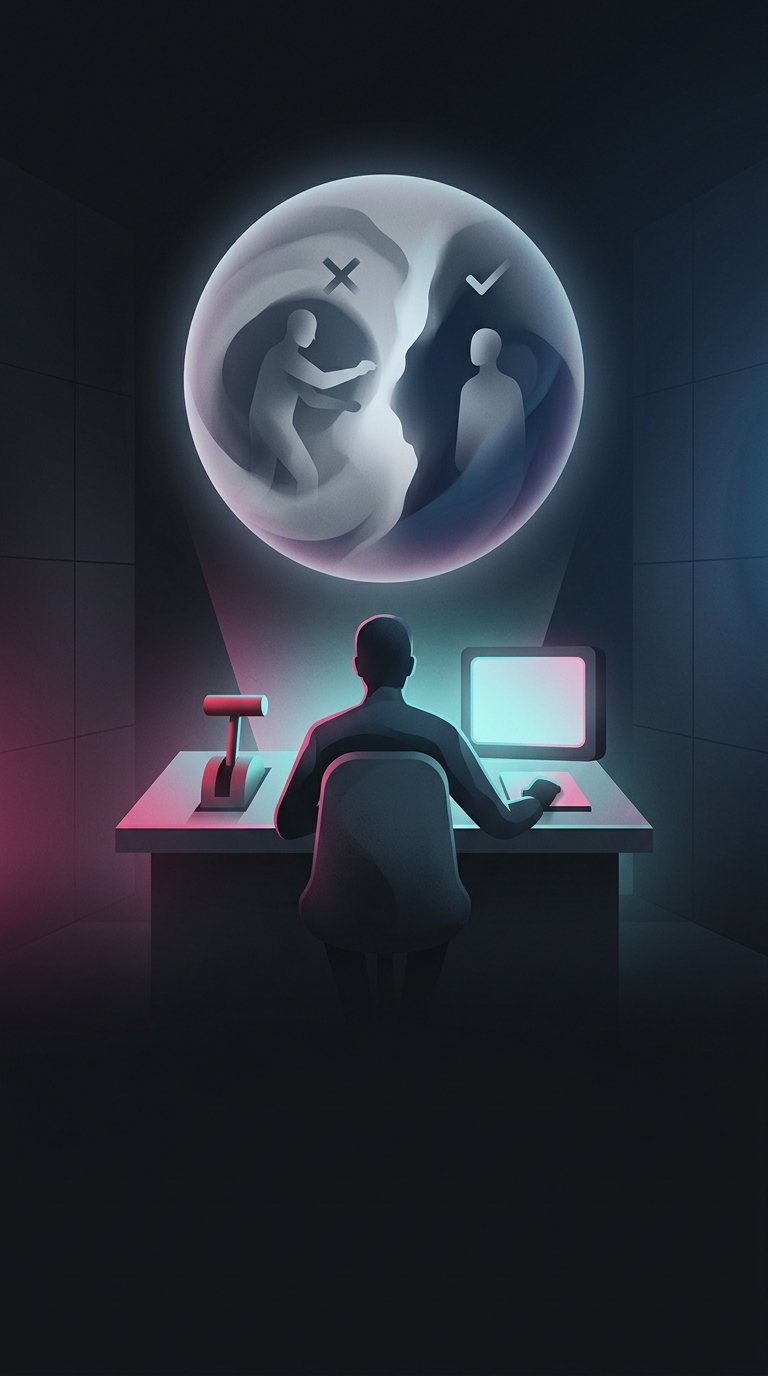
At the same time, lying usually involves resisting a social or moral brake: the impulse to answer honestly, avoid misleading someone, or accept an uncomfortable consequence. When a person is tired, sustaining that resistance can take more effort. If a tempting payoff is close at hand—avoiding blame, for example—the easier choice may feel more attractive.
Fatigue changes the effort, not the person
Being worn down does not automatically make someone dishonest. The effect is more plausible when a person faces a real temptation and must actively hold back an impulse. Without that pressure, fatigue may simply mean slower thinking or less patience; it does not dictate a particular choice.
The setting matters, too. A rushed answer, a complicated story, or a decision made after a long day can leave less room to pause and consider what honesty requires. A person may also become less careful about keeping details consistent, even without planning an elaborate deception.
That is why an evening mistake or inconsistency is not proof of a lie. The useful takeaway is about conditions: when people are tired, choices that require deliberate self-control can become harder. If an important conversation needs careful judgment, giving both people time to think—and a chance to answer without pressure—can make honesty easier to choose.