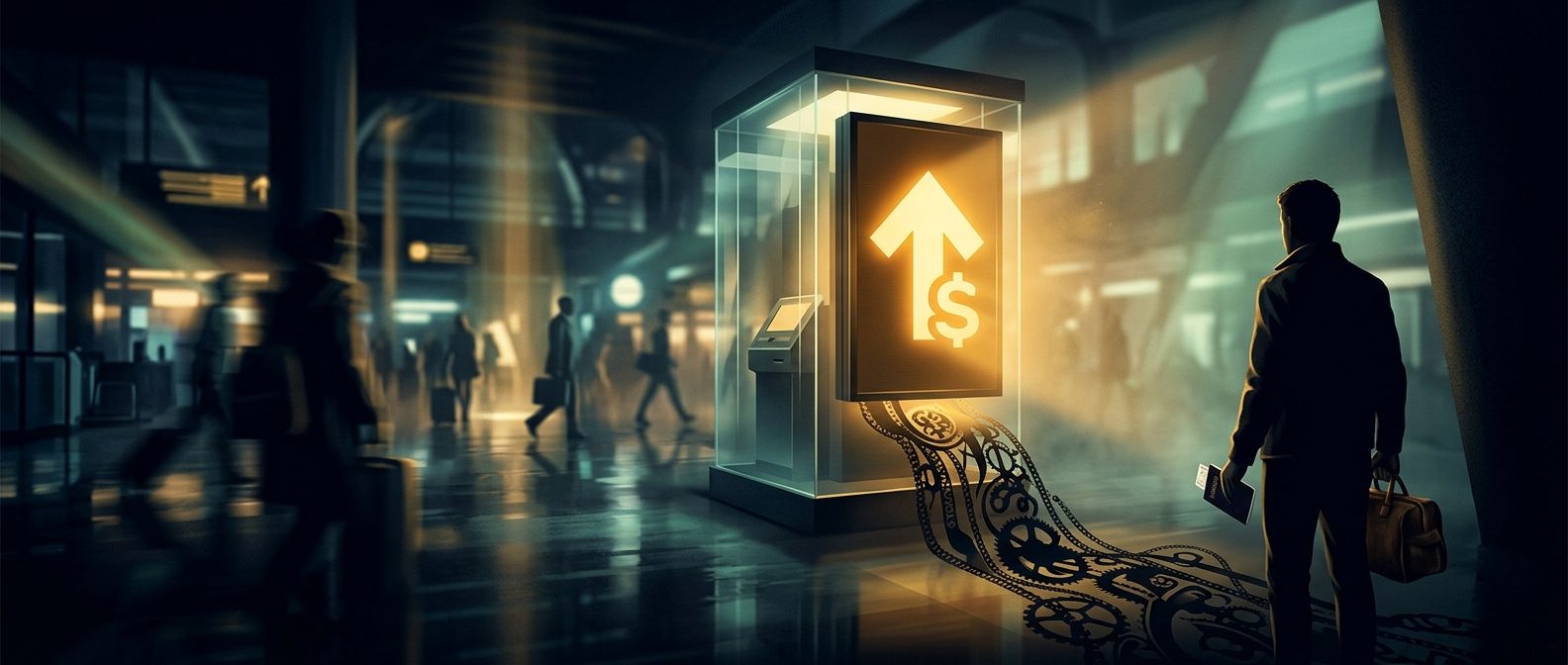
How a short trip can grow into a costly loop
A cab fare usually reflects more than the distance between two points. Depending on local rules and the type of fare, the meter may charge for distance, time spent moving slowly or waiting, and certain tolls. A detour can therefore raise the bill in several ways at once: it adds miles, keeps the meter running, and may bring a bridge toll on top.
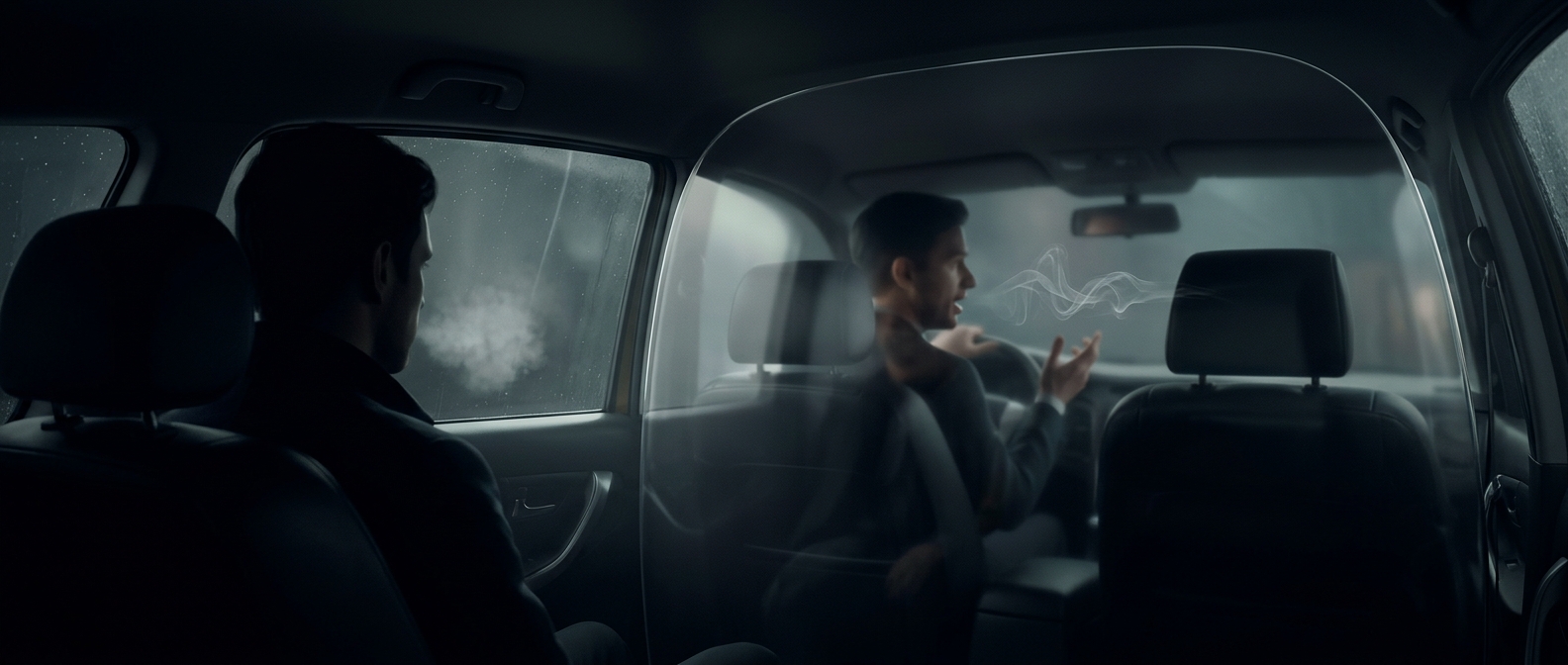
That creates an imbalance when a visitor cannot judge the route. A driver knows which crossings connect nearby neighborhoods and which streets lead directly to the destination; a passenger may see only unfamiliar blocks and landmarks. A route that sounds plausible—or looks scenic—can be hard to challenge until the trip is over.
Why the route can be difficult to spot
Waterways, rail lines, one-way streets, and limited bridge access can make city routes less intuitive than they appear on a map. A crossing may be necessary, but not every crossing is equally direct. From the back seat, a passenger may not know whether a driver is avoiding congestion or adding unnecessary distance.
Tolls can also make a longer route seem easier to explain. The crossing itself has a visible cost, while the extra time and distance accumulate less conspicuously on the meter. This does not mean every longer ride is dishonest: traffic, road closures, and pickup or drop-off restrictions can all change the sensible route. The warning sign is a route that grows without a clear practical reason.
A small question can change the ride
Before setting off, a passenger can ask which route the driver plans to take and whether it includes tolls. Following the trip on a phone map can make an unfamiliar city easier to read, though it does not account for every road condition. The point is not to insist on one exact path; it is to make the route visible enough that a scenic detour does not quietly become part of the fare.