A Mercedes built for work, not just for show
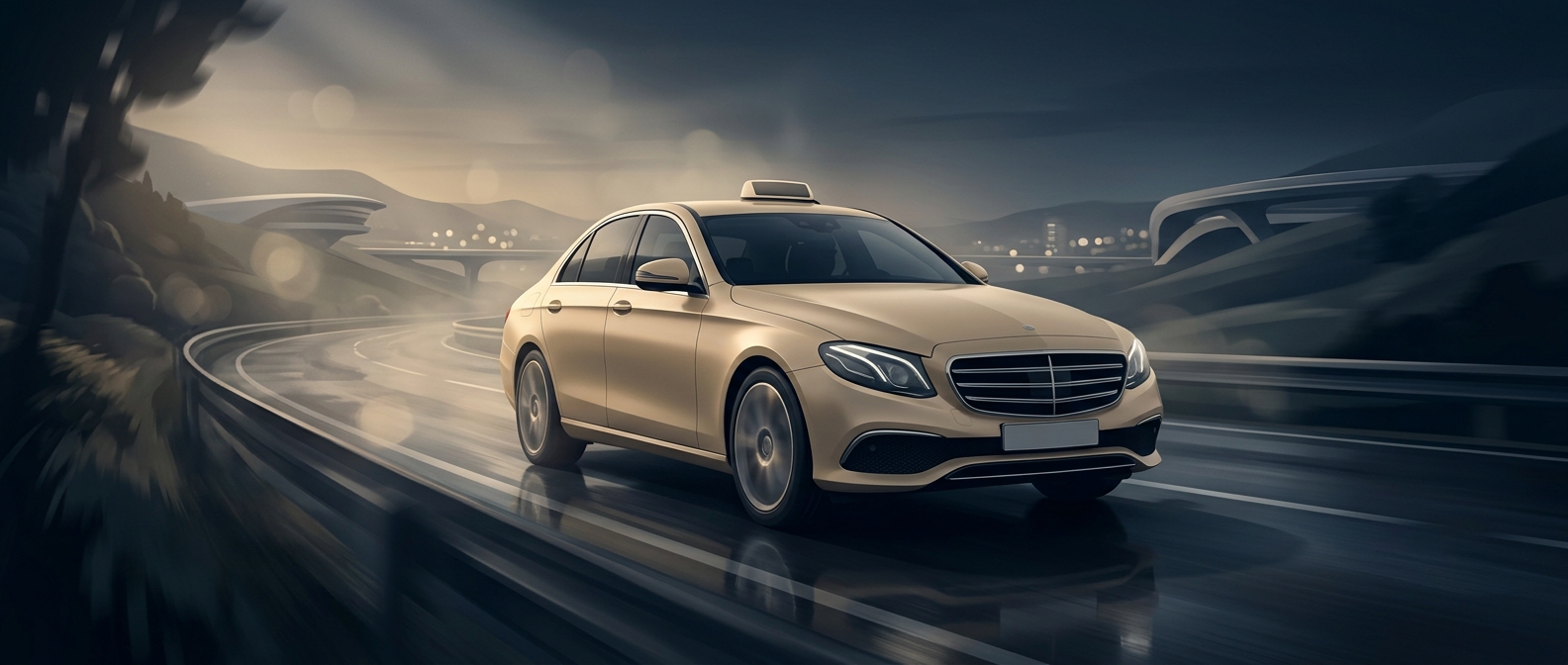
A German taxi that looks like a premium sedan is often a working fleet car, not a luxury service vehicle. Mercedes models—especially roomy sedans—have long been familiar choices for taxi operators because they combine a comfortable rear seat with space for luggage and the durability needed for repeated daily use. A passenger gets the quiet, padded cabin; the operator needs a car that can keep earning through long shifts and frequent stops.
That distinction matters: the car’s badge describes the vehicle, not the fare category. A taxi may feel refined without including extras such as a private chauffeur, a special route, or a fixed-price ride.
The meter sets the terms
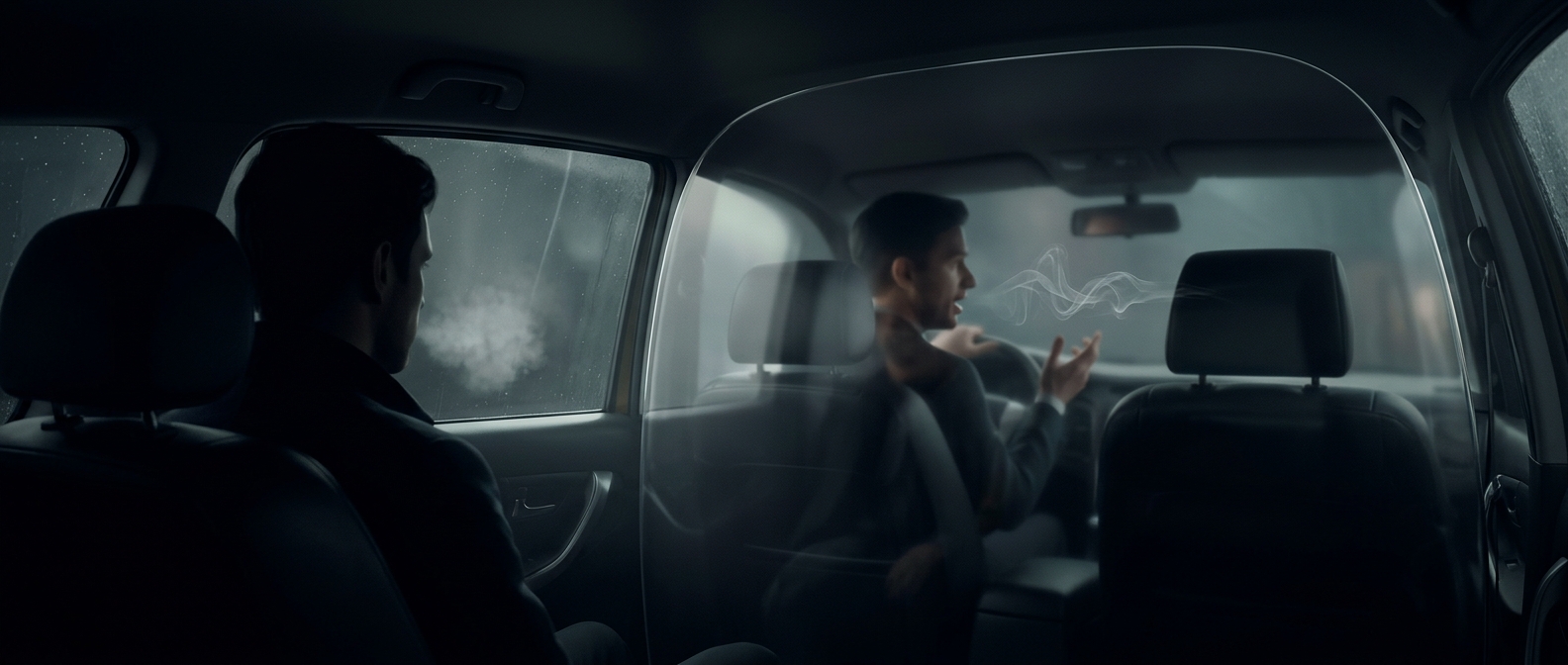
German taxi fares are generally governed by local tariffs, which specify charges such as the starting fare and the price for distance or waiting time. The meter turns the trip into a running calculation. Traffic, a slow pickup, or a longer route can therefore make the final cost climb even when the vehicle itself feels calm and comfortable.
The contrast is part of the experience: the passenger rides in a car associated with prestige, but pays according to a regulated taxi tariff and the journey actually taken. A plush back seat can make an ordinary city ride feel special; the ticking meter makes clear that it is still a practical trip, charged by the ride rather than by the fantasy.