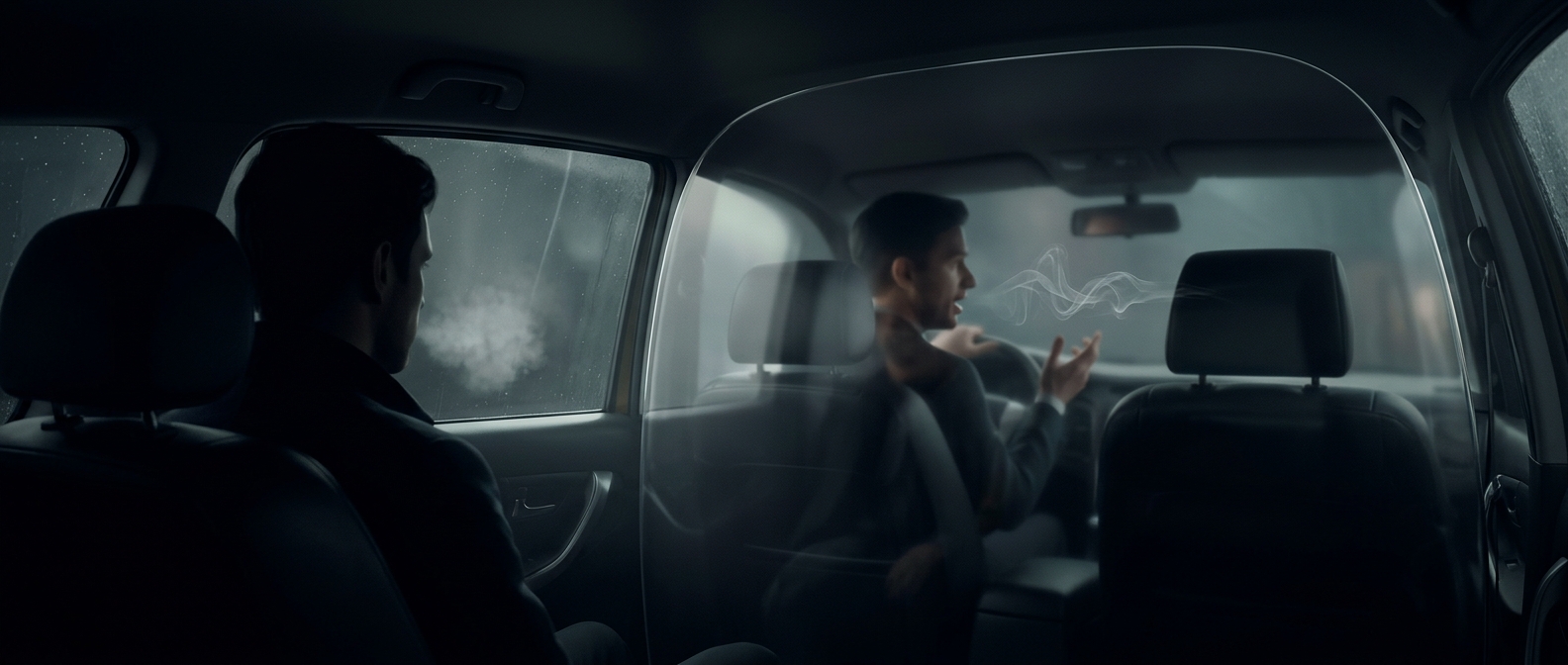
A small signal above the traffic
A taxi’s roof light works because it is easy to spot from the sidewalk. The sign sits above parked cars and crowds, where its glow can catch a person’s eye before the taxi reaches the curb. At night, that makes the cab’s status visible from farther away than a glance through its windows would allow.
When the taxi is available, the driver leaves the availability light on. Once a passenger is aboard or the cab is otherwise off duty, the driver turns it off or changes the sign. In many taxis, the fare meter is linked to this status change; in others, the driver operates the sign separately. The exact setup varies, but the purpose is the same: distinguish a cab that can take a passenger from one that cannot.
A quick cue, not a conversation
The light lets people scan passing taxis without first trying the door or calling to the driver. It also saves drivers from repeatedly stopping to explain that they are already hired. The signal is a convention rather than a guarantee—local signs and practices differ—but it turns a tiny change in a roof lamp into a useful street-level message: this cab is open for a fare.