Why a few players can matter so much
Gacha games sell randomized draws for characters, equipment, or other collectibles. Players may earn some draws through play, while additional attempts can be bought with in-game currency purchased for real money. Because the reward is uncertain, getting a particular item can take many attempts—and spending can vary sharply from one player to another.
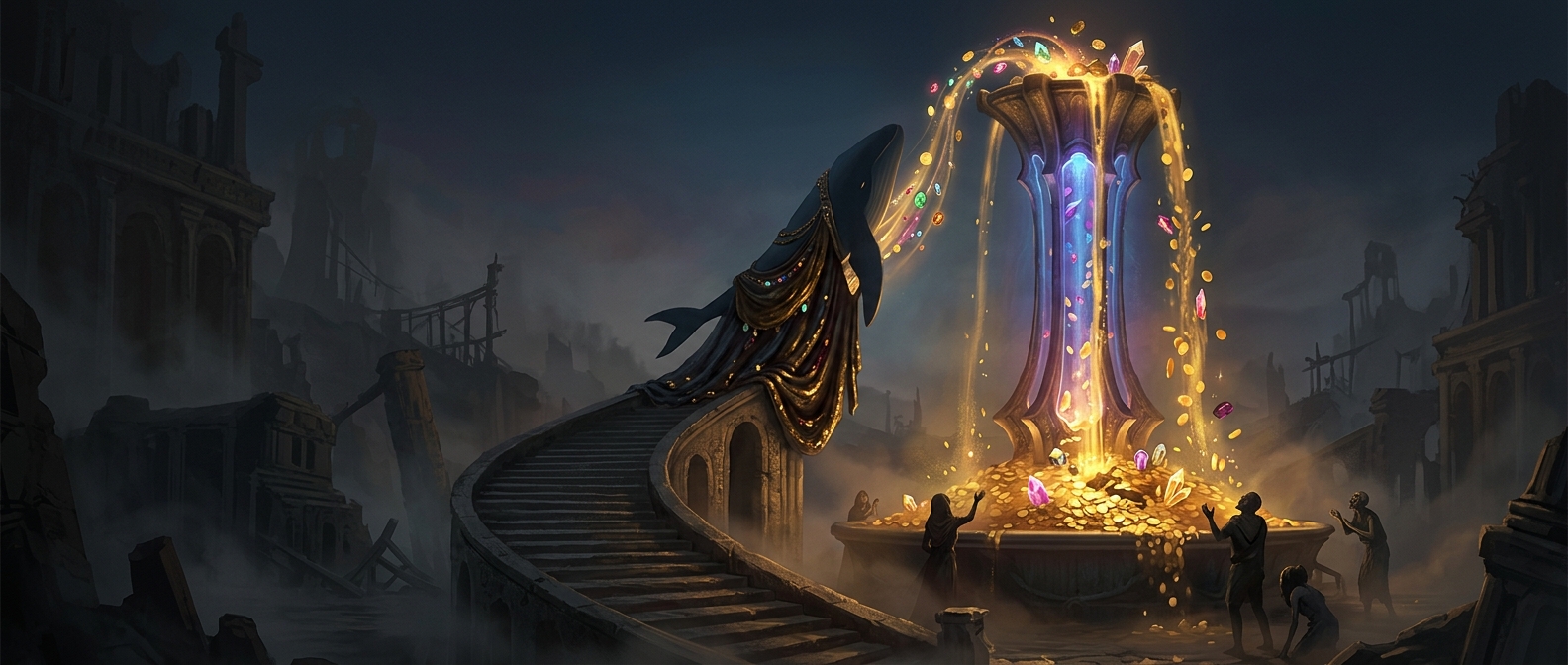
That creates an unusually concentrated revenue model. Many players may spend little or nothing, while a small number of highly engaged spenders—called “whales”—can account for a substantial share of purchases. When household budgets tighten, the broad base of occasional buyers may pull back without every whale changing spending at the same rate.
Events give spending a reason to continue
Developers keep these games running with new characters, limited-time banners, and events that add goals or rewards. A banner is a period when certain items are featured in the random-draw pool. For collectors or players invested in a particular team, a new release can feel more urgent than an ordinary purchase: it may be available only for a limited window, or it may fit a favorite play style or collection.
That cadence helps explain why a game can remain commercially strong even when many players are spending less. Revenue does not depend only on how many people make a purchase; it also depends on how much the most active buyers spend and whether new releases keep them engaged.
Resilience has limits
The same concentration is a vulnerability. If a small group supplies a large share of income, losing even some of those buyers can hurt. And limited-time offers cannot guarantee that players will keep spending through a downturn. Gacha games can be buffered from a broad pullback by their highest spenders, but they are not insulated from it.