A notification is a timed prediction
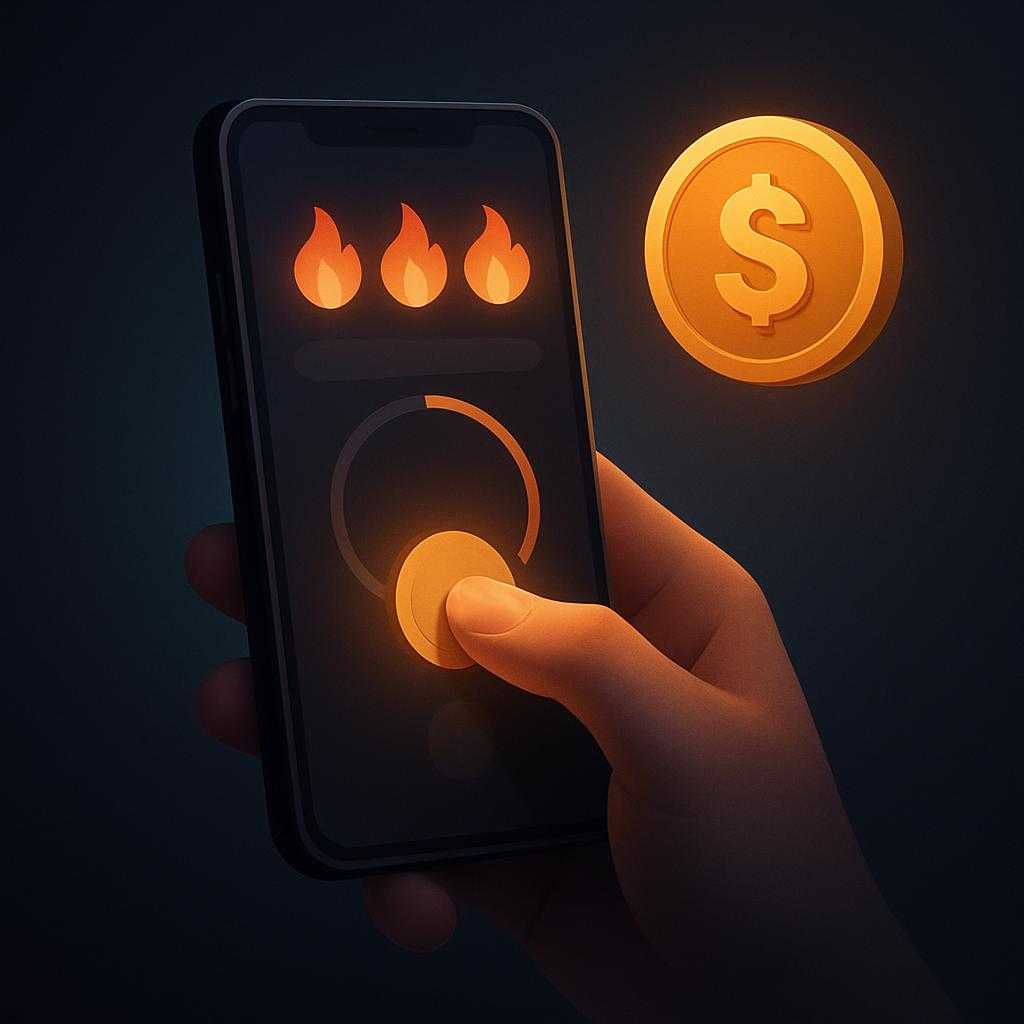
A free-to-play game usually cannot know the perfect moment to reach a particular player. Instead, its notification system estimates when a message is most likely to bring that person back—and whether the return is valuable to the game. It can use signals such as when the player tends to open the app, how long it has been since their last session, and what they did before leaving.
Those signals help the system choose both whom to contact and when. Someone who regularly plays in the evening may get a reminder then; a player who has stopped midway through an event might receive a prompt while that event is still available. The message can also reflect the game state, such as an available reward or a finished upgrade.
The system learns from responses
A notification schedule is often tested and adjusted rather than set once. A game can try different delivery times or message types with groups of players, then compare outcomes: who opens the notification, returns to play, or makes an in-game purchase. These comparisons help the system favor approaches that meet the company’s goals.
That creates a tradeoff. A reminder may be useful because it tells a player about something they would otherwise miss. But sending too often can annoy people or prompt them to disable notifications. The system may therefore account for past responses, limit repeated messages, or avoid unsuitable hours, depending on how the game is designed.
A forecast, not a mind reader
“Exactly when” is best understood as a calculated guess, not a moment of certainty. The algorithm works from patterns in past behavior and updates its choices as the player responds. Its timing can feel personal because it is tied to one person’s activity, while its underlying aim is practical: deliver a prompt when the chance of a return seems worth the interruption.