What the ground tells a runner
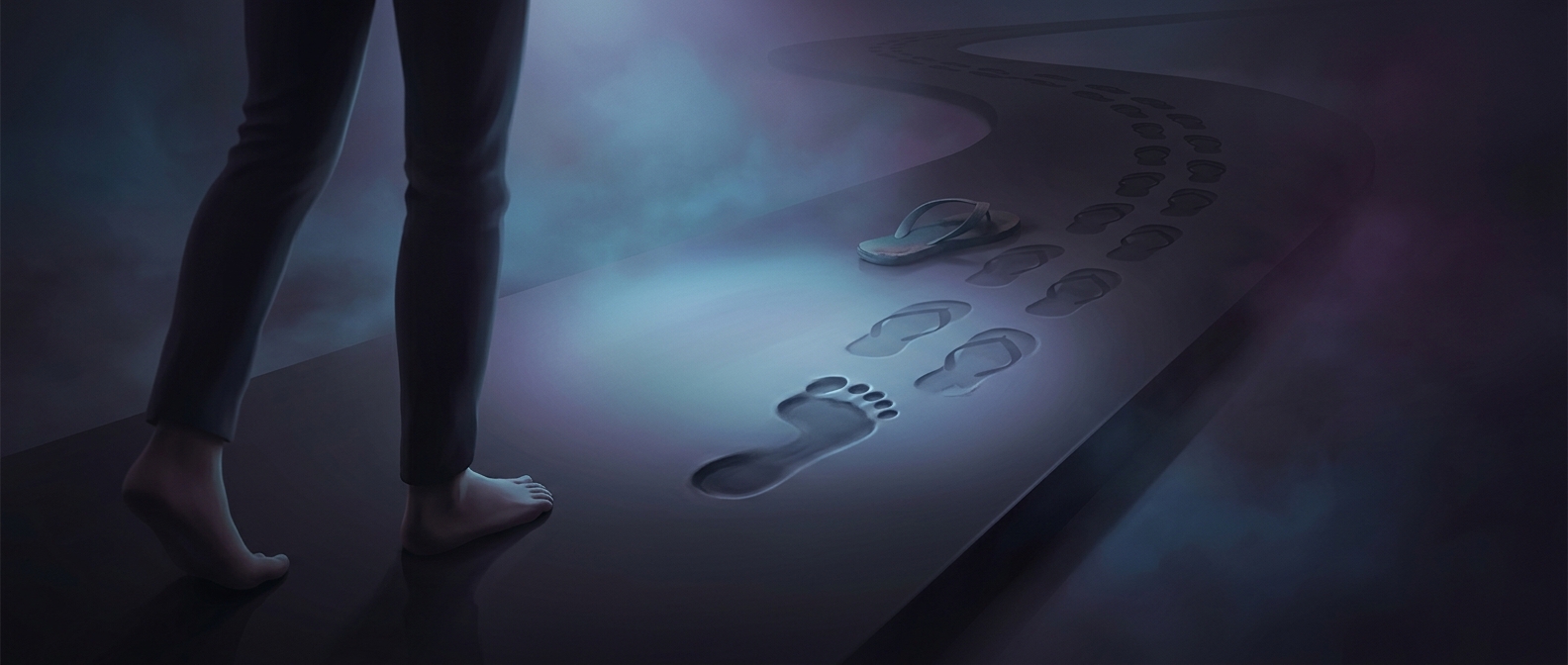
The sole of the foot contains sensory nerves that register pressure, texture, and movement. Without a thick layer between foot and ground, those signals arrive more directly. A runner may notice a hard landing or an uneven patch sooner and adjust—by shortening a step, changing where the foot touches down, or slowing the pace. This is part of proprioception, the body’s sense of its position and motion.
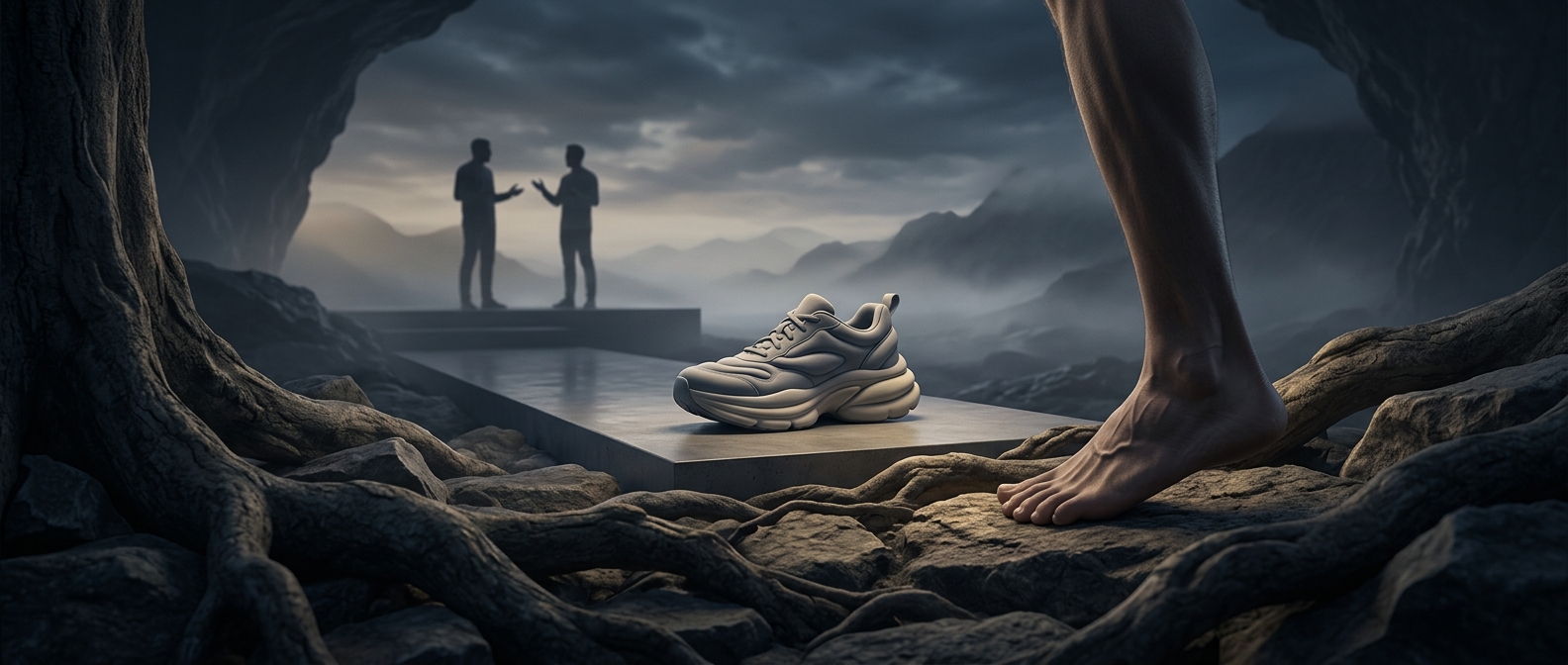
Cushioned shoes do not erase those signals, but they can soften them. Barefoot running makes the surface feel more immediate; it does not automatically produce a better stride. Runners differ, and people can adapt their movement in different ways.
A change in where the effort goes
With less cushioning, the foot and lower leg have to manage more of the impact and stabilize the body. That can shift work toward the calf and Achilles tendon—the strong tendon connecting the calf muscles to the heel. A runner used to supportive shoes may find that even a short barefoot run feels demanding, not because the ground has changed, but because the body is being asked to handle loading in a new way.
That tradeoff helps explain why some runners use barefoot running as a way to pay closer attention to their steps rather than as a universal replacement for shoes. The feedback can be useful, but it comes with less protection from heat, sharp objects, and rough surfaces. A pebble’s “report” is immediate—and sometimes the sensible response is to stop.