Why a Mars trip follows a schedule
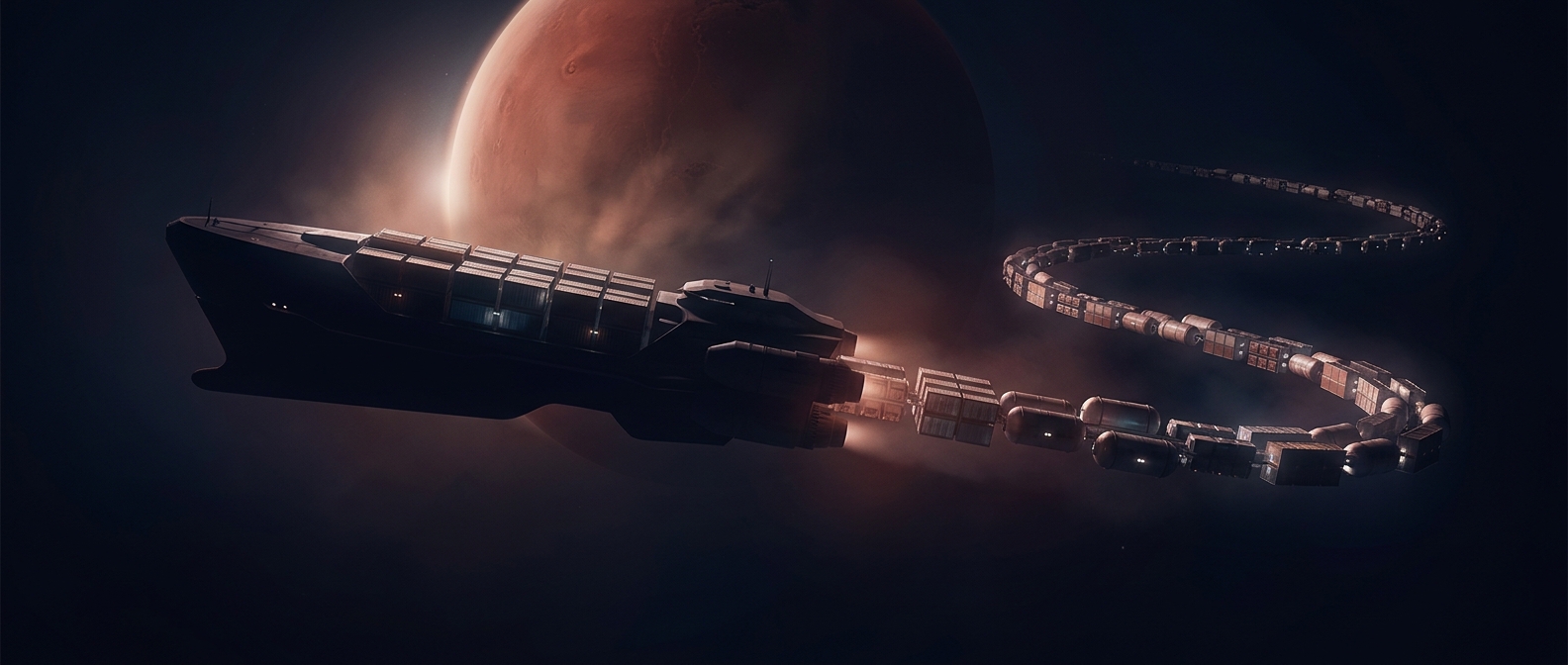
Earth and Mars do not stay in a convenient position relative to each other. A spacecraft can use their motion around the Sun to follow an energy-efficient path, but the planets line up favorably only at intervals. Miss that departure opportunity and a crew may have to wait for the next one rather than simply choosing a faster route later.
That geometry shapes the whole mission. A trip takes months, and the spacecraft must be prepared before launch for the time away—not just the outbound flight, but also the return and time spent operating near Mars.
Turning supplies into a mass tradeoff
Every kilogram launched needs fuel and spacecraft capacity, so packing more food and water is not a simple fix. Engineers must balance reserve supplies against the mass and equipment needed to carry them. Food also has to remain safe and nourishing over a long mission, while water systems must collect, clean, and reuse water rather than relying entirely on a fresh supply.
Recycling reduces what must be carried, but it does not make a spacecraft completely self-sufficient. Filters and other equipment need to work reliably, and crews still need reserves for losses, maintenance, or an unexpected delay. The practical consequence is that a Mars mission must be planned as a carefully bounded supply chain: once it leaves Earth, even a small shortage cannot be corrected with a quick delivery.