Rust Becomes a Different Surface
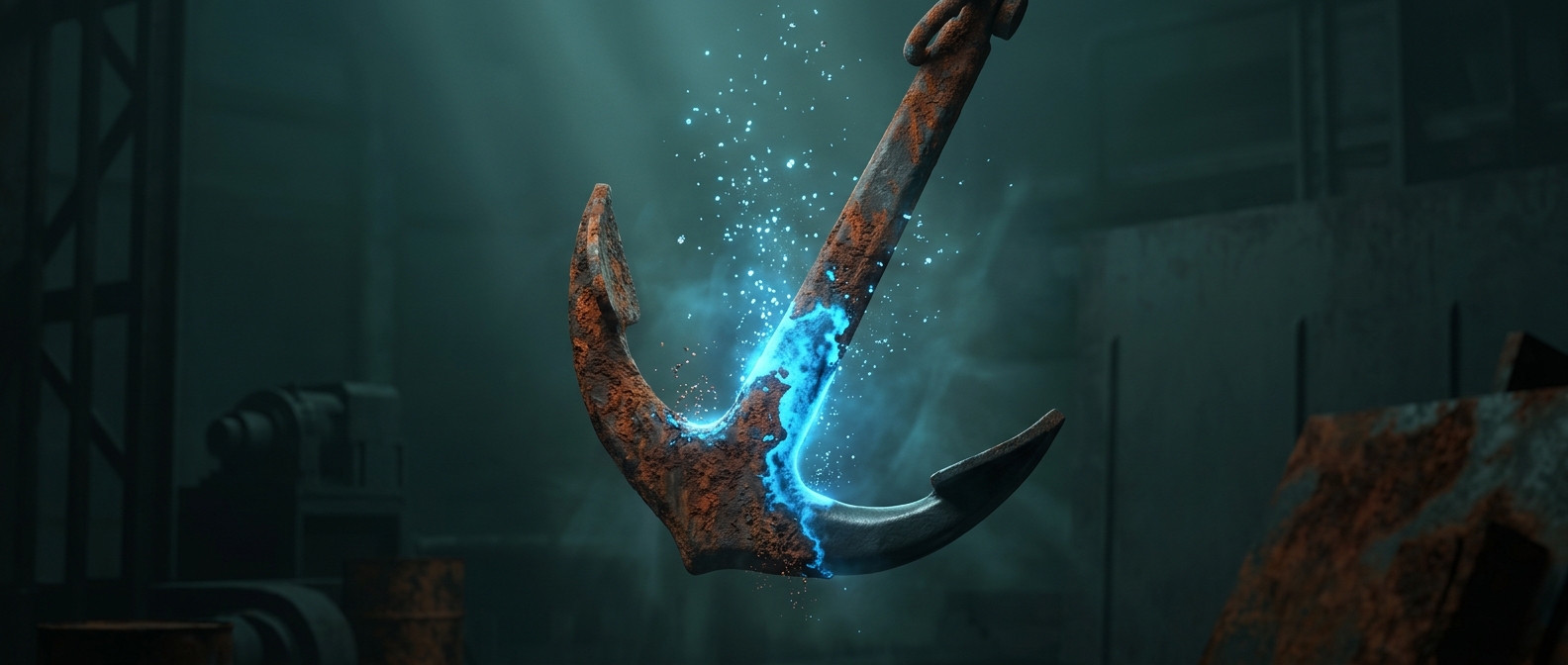
Rust is not a single, solid layer. It is a mix of iron oxides and related compounds, often porous enough for liquid to seep into it. Phosphoric acid reacts with iron-containing material in that layer, converting some of it into iron phosphate—a darker compound that is less prone to the same rapid rusting.
This is a chemical conversion, not simply rust dissolving and washing away. The treated surface may darken because the original orange-brown corrosion products have been changed into a different coating.
Why Thick Rust Resists Treatment
The acid has to make contact with the rust to react. When corrosion has built up into a thick, flaky crust, the outer layer can keep liquid from reaching the deeper material and the iron beneath it. Brushing or scraping away loose rust opens up the surface so the treatment can reach more of what remains.
That is why a rust converter works best on a thin, firmly attached layer rather than on a heavy crust. The coating’s usefulness depends on contact: chemistry cannot convert material the acid never reaches.
A Changed Surface, Not a Reset
Iron phosphate can help stabilize the treated surface, but it does not rebuild metal already eaten away by corrosion. A badly rusted part may still be weakened even after its color changes. And because products differ, preparation and any follow-up coating should follow the product’s directions; the reaction itself is not a substitute for removing loose scale or assessing structural damage.