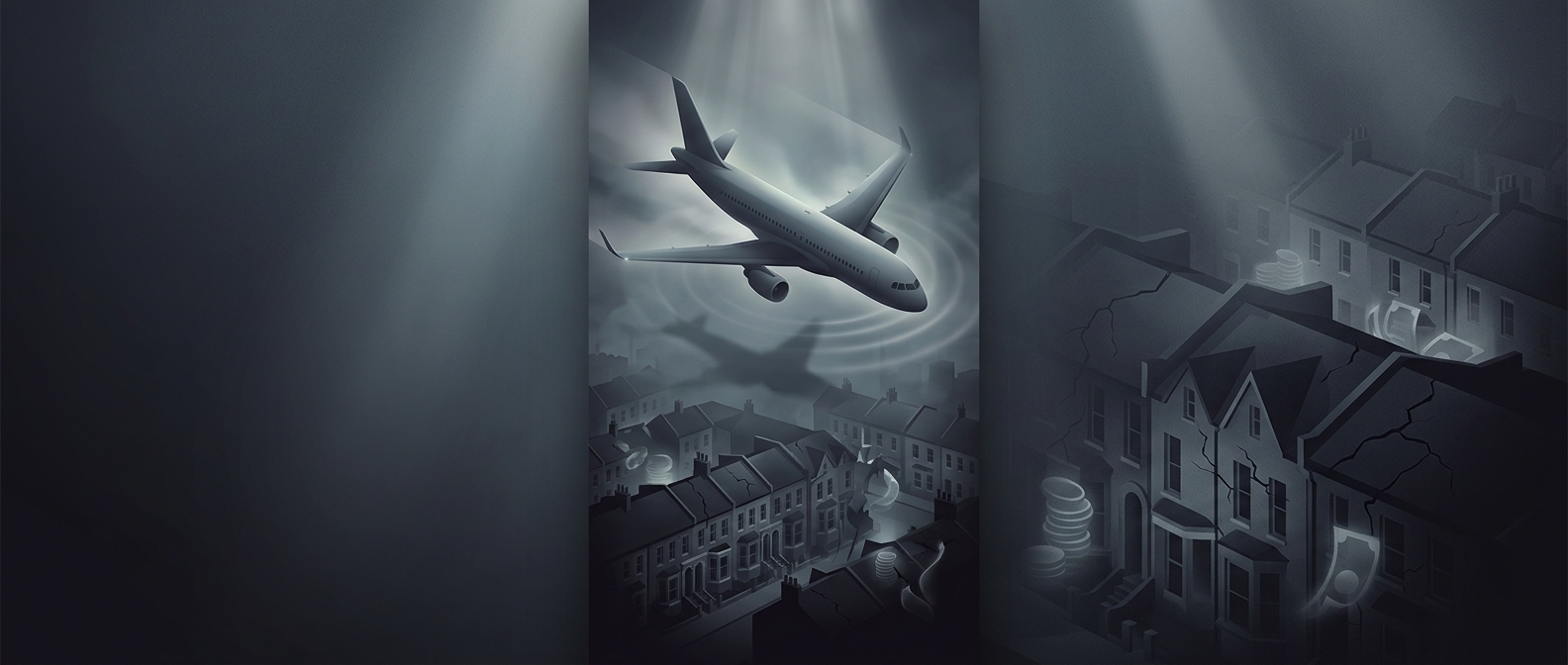
The cost travels beyond the source
Noise becomes an economic problem when the person or business producing it does not bear all the consequences. Economists call this an external cost: a loud vehicle may save its operator time or money, while people living or working nearby absorb some of the burden.
Those costs can accumulate through disrupted sleep and difficulty concentrating. Poor rest can mean more fatigue during the day, making work and study harder; persistent exposure may also contribute to health problems that require care. The effects are spread across households, employers, health services, and public budgets, rather than appearing as a single bill sent to the noise-maker.
Why the bill is hard to see
Unlike fuel or repairs, noise damage is rarely recorded as one clear transaction. A resident may pay for medical care, lose productive hours, or move away, while the source continues operating. These separate consequences make the full cost easy to overlook when decisions are based only on what the driver or operator pays.
The burden can also fall unevenly. People with fewer housing choices may have less ability to move away from persistently noisy streets, even though they receive none of the benefit that created the noise. That is why judging a noisy activity only by its direct costs can miss who is paying in practice.