A duel with a room
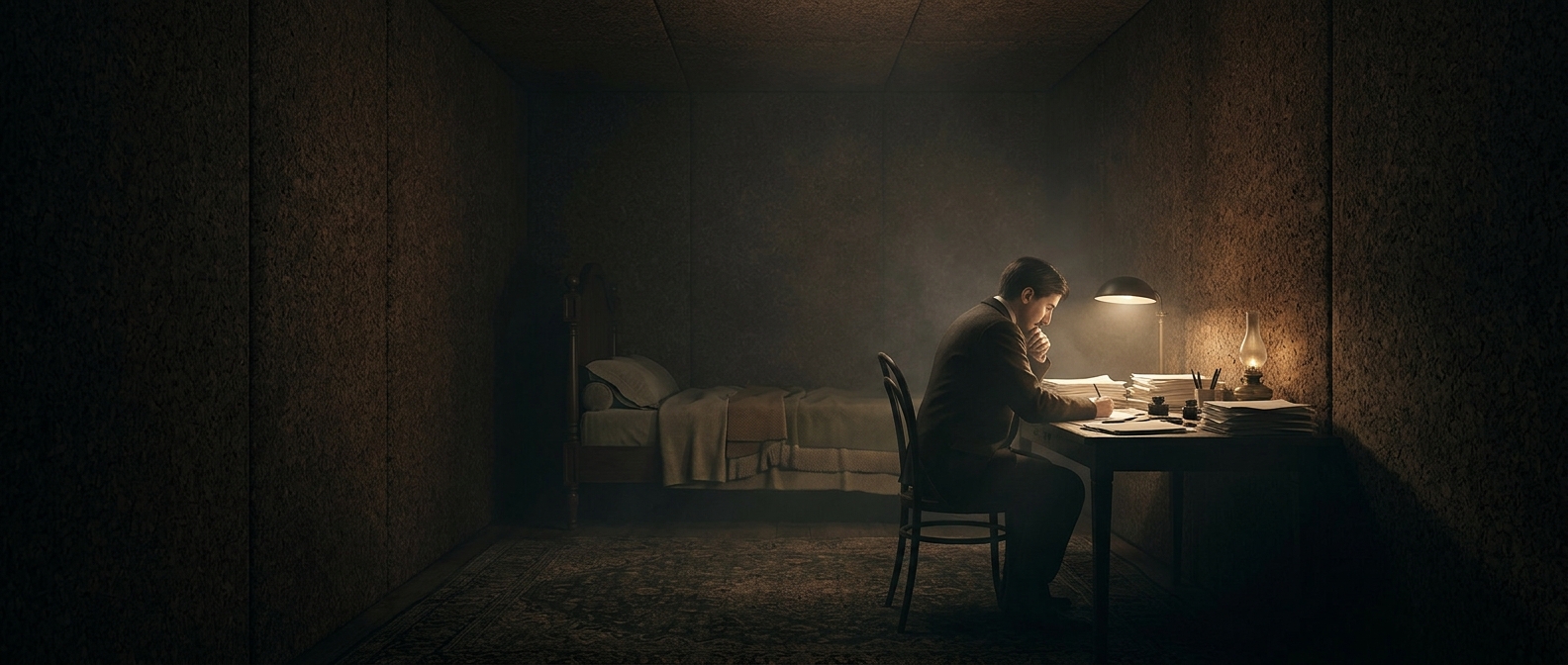
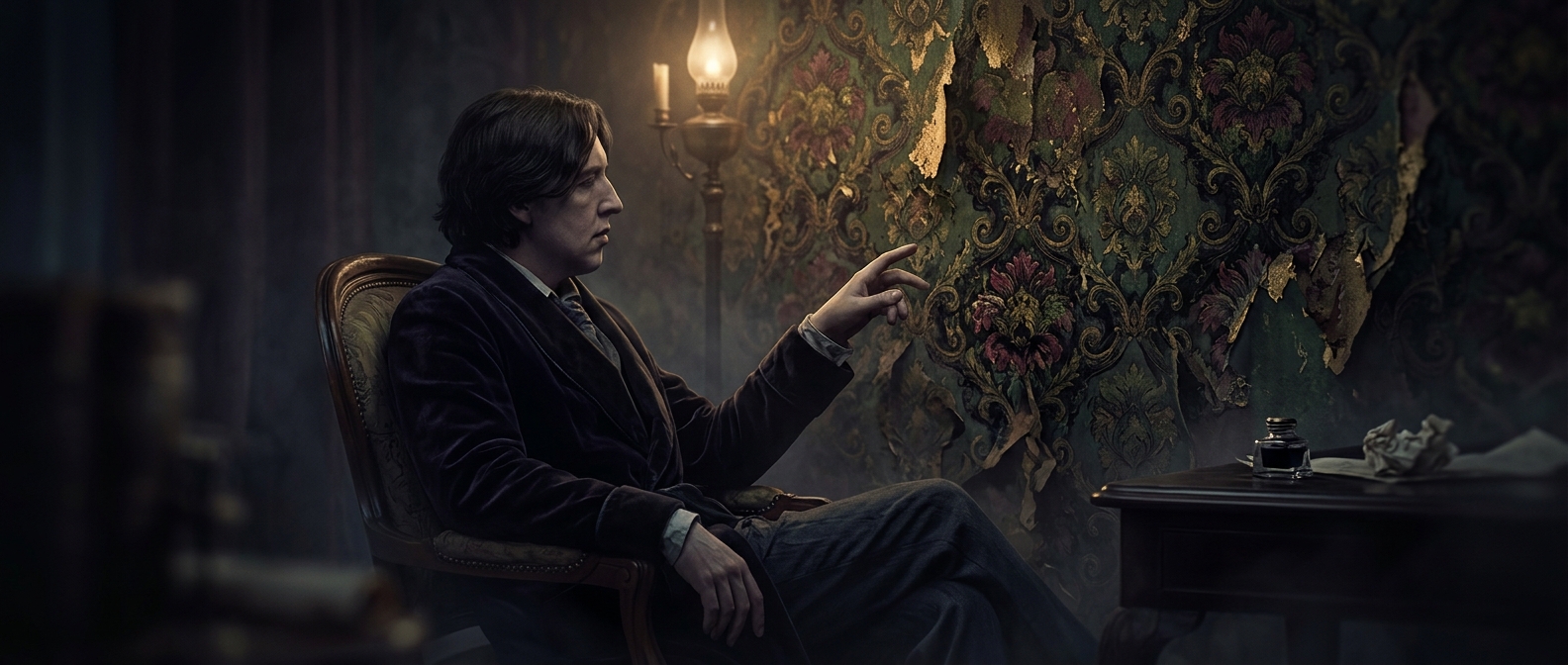
The joke turns a deathbed into a comic contest. Instead of naming illness or fear, the speaker casts the wallpaper as an adversary and makes the room itself the stage. That shift is the punchline: a grand, life-or-death drama is attached to something shabby and ordinary.
The wording also borrows the language of a duel, where two opponents face off and only one can survive. But wallpaper cannot fight back, and the speaker is plainly not describing a literal battle. The mismatch between the mock-heroic setup and the trivial opponent gives the line its snap.
Why the joke lasts
Dark humor often works by giving a frightening situation a shape that can be handled in words. Here, the threat is turned outward and made absurd: the room, not the dying man, becomes the combatant. That does not prove what Wilde felt in the moment; it explains why the story makes a memorable final joke.
The remark is traditionally attributed to Wilde, though it is best treated as an alleged last quip rather than a verified transcript. Its afterlife depends less on the wallpaper than on the reversal: even at the edge of death, the story gives Wilde the final line.