How a bedtime book became an inheritance
A book can keep earning money long after its author has died. When copies sell, the rights holder may receive royalties—a share of the sales income. Those rights can be passed on through a will, turning a writer’s catalog into an asset that continues to pay its owner.
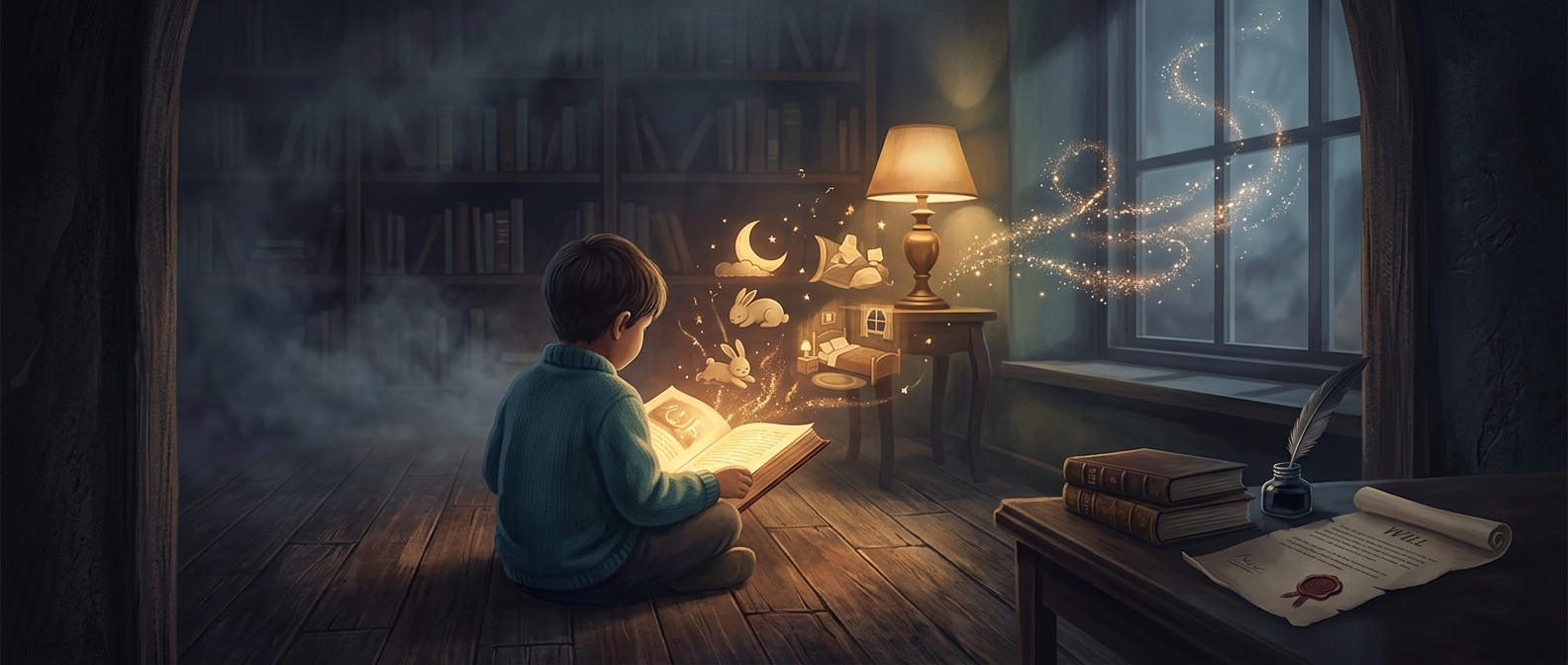
Margaret Wise Brown’s estate included the rights to her books, among them Goodnight Moon. Her will left those literary rights to Albert Clarke, a nine-year-old boy who was the son of her neighbor. The inheritance was unusual not because a child could own property, but because the property was a body of work that could keep generating income.
The long life of a children’s classic
Goodnight Moon, published in 1947, was built for repeated reading: its quiet room, familiar objects, and gradually fading bedtime ritual invite children and adults to return to it. That kind of staying power matters financially. Each new generation of readers can bring fresh sales, while the rights continue to produce royalties for whoever owns them.
The result was a striking transfer: a boy inherited not merely a sum of money, but the continuing economic value of books that remained in circulation. A bedtime story’s durability—in homes, libraries, and generations of family routines—helped make the inheritance worth millions.