A Literary Estate With a Civil-Rights Heir
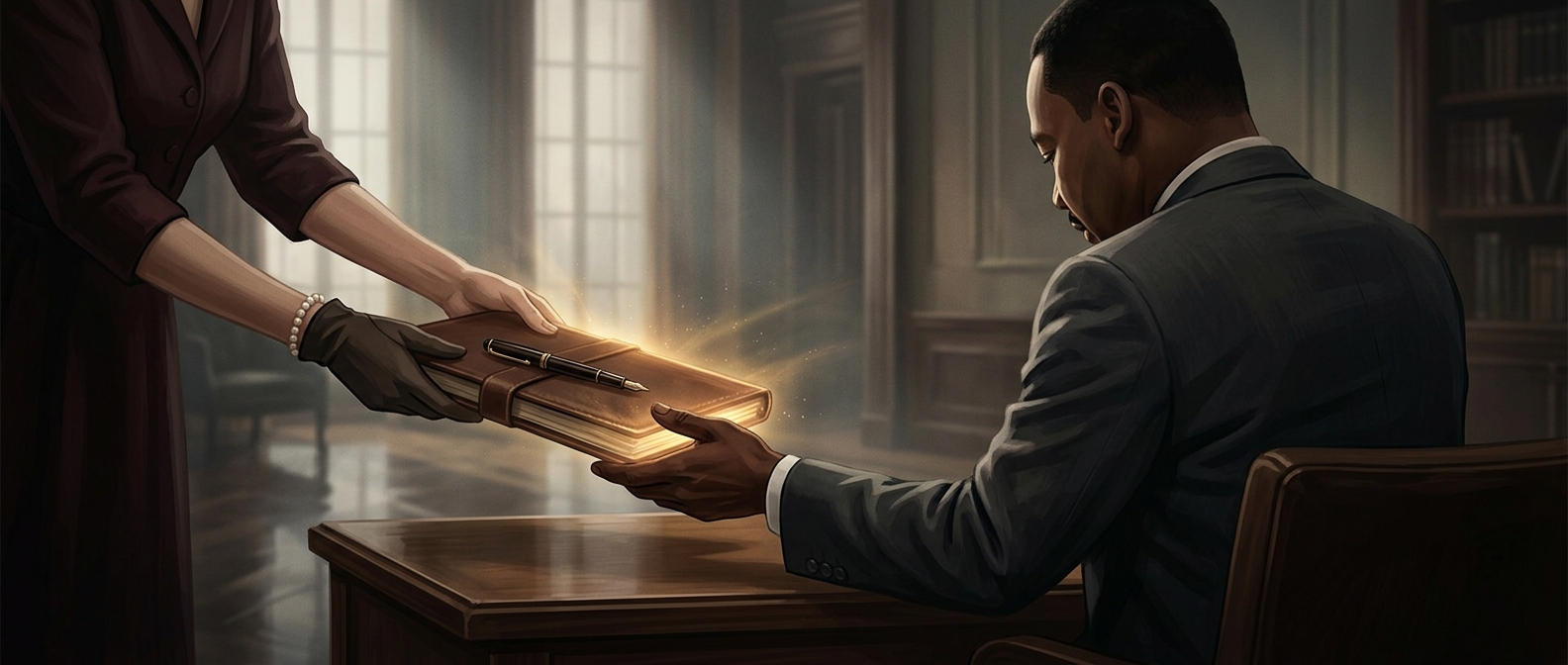
Dorothy Parker’s will made an unusual choice: it named Martin Luther King Jr., a civil-rights leader she had never met, as the beneficiary of her estate. The bequest connected the work of a celebrated New York writer to a movement led by someone outside her personal circle.
The arrangement also had a second step. After King was assassinated in 1968, Parker’s literary rights passed to the NAACP, the civil-rights organization. The handoff meant her writing’s future was tied not only to an individual but to an institution.
Why Copyrights Outlast Their Authors
A literary copyright is the legal right to control uses of a work, including publication and reproduction. It can generate income and determine who may authorize new editions or other uses. Because those rights can be inherited or assigned through a will, an author’s estate plan can shape who benefits from—and makes decisions about—the work long after the author dies.
Parker’s bequest therefore did more than name an unexpected heir: it directed control of her literary legacy toward King and, after his death, the NAACP. Her words entered the care of an organization whose work was closely tied to the public struggle for civil rights.