Why a full ration could still leave an Antarctic explorer underfed
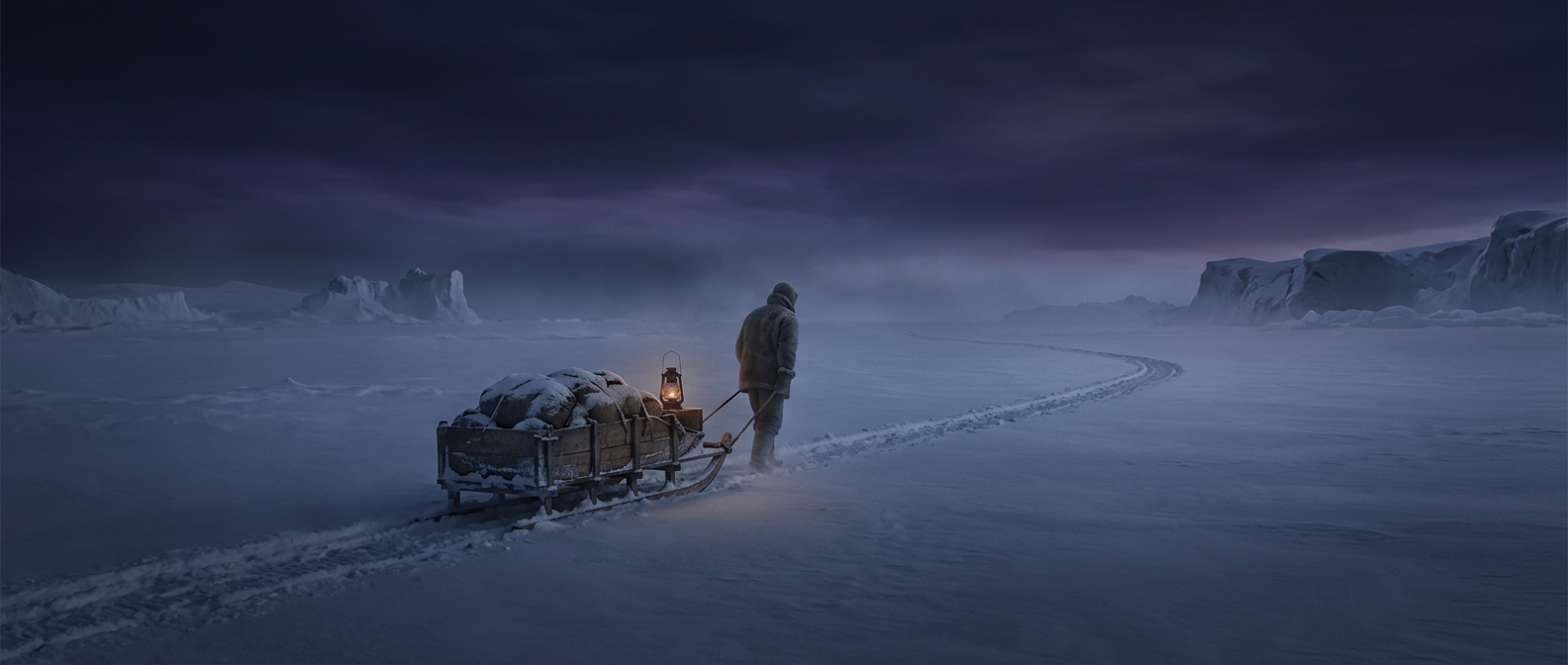
A ration that looks generous on paper can fail when the body has to do more work than the food can replace. Dragging a heavily loaded sled through snow is strenuous, sustained labor: each step means pulling the load forward while moving through cold, resistant terrain. The muscles burn fuel, and the body also uses energy to keep its core warm. At roughly −40 degrees, that heat-making demand adds to the cost of the day.
The result is an energy gap. If an explorer uses more energy than a 4,500-calorie ration supplies, the body must make up the difference from its own stored fuel. Repeating that shortfall wears down those reserves, even if the ration is eaten regularly.
Why fullness was a poor guide
Feeling full measures how satisfied the stomach feels, not whether the body has received enough usable energy. A ration can take up space and quiet hunger while still falling short of the energy required for hours of hauling and heat production. Its mix matters, too: the same amount of food can deliver very different amounts of energy depending on its fat content. Fat is especially energy-dense, so a ration without enough of it can be inadequate for severe, prolonged exertion even when its volume seems substantial.
That mismatch helps explain the paradox in the caption: explorers could finish their food and still be running a deficit. The sled did not care that the meal had felt filling. It kept demanding work, and the cold kept demanding heat. On an Antarctic journey, a ration had to be designed for the energy cost of the task—not merely to look like a large meal.