The low nightly rate gets your attention first
A cleaning fee is often a fixed charge for the stay, while the advertised rate is shown per night. That creates a mismatch: a fee that may be modest for a longer trip can sharply raise the effective cost of a one-night stay. If you compare listings by their nightly prices before seeing the full breakdown, the cheapest-looking option may not be the cheapest booking.
This is a form of drip pricing: a prominent price appears early, while additional costs become clear later in the booking process. The fee itself is not necessarily hidden from the final checkout screen; the effect comes from when the total becomes easy to compare.
Why the timing can change a decision
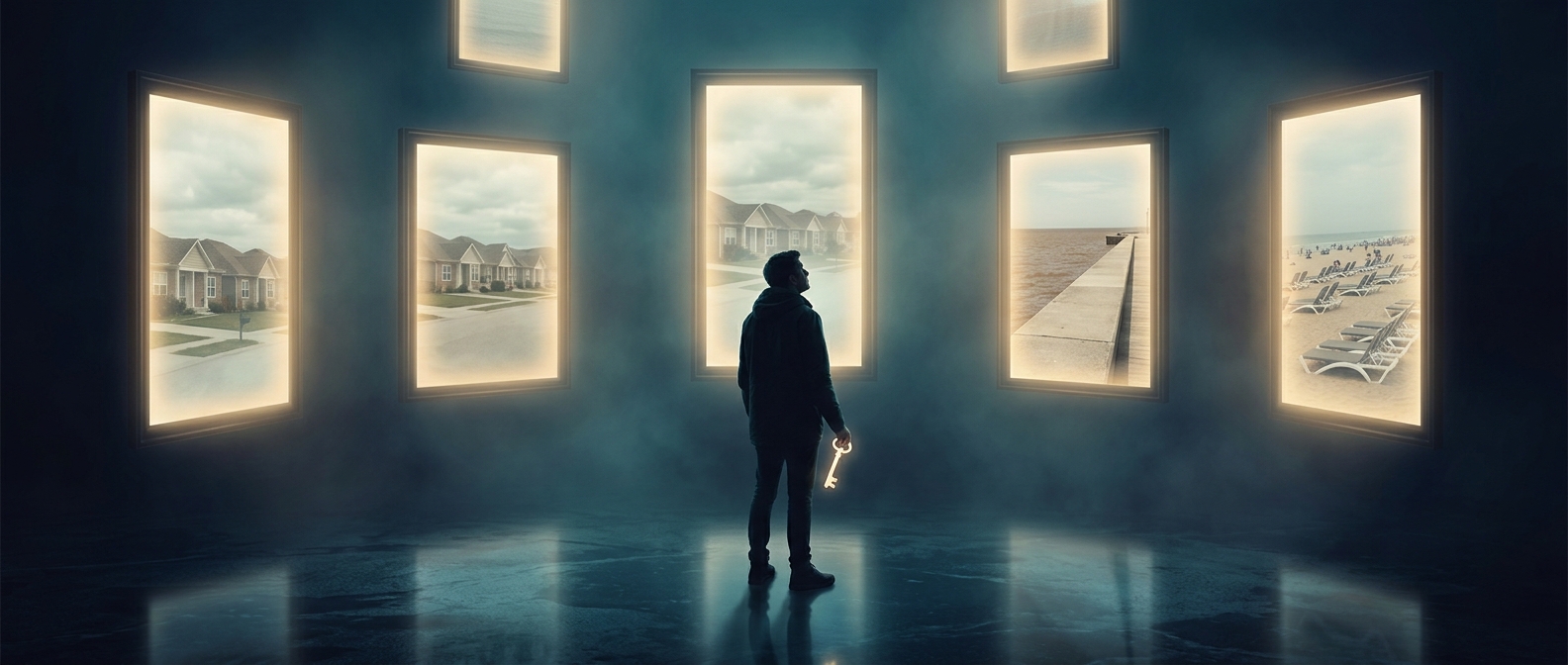
The nightly rate shapes the first impression. Once you have opened a listing, checked its location, and considered its photos and amenities, you have already spent time imagining the stay. A newly visible fee can feel like an obstacle to a choice you have begun to make, rather than part of the price you should have compared from the start.
Cleaning fees also complicate quick comparisons. One host may charge more per night and less for cleaning; another may do the reverse. A traveler who sorts or scans listings by the headline rate can miss that tradeoff until fees are added across the whole stay.
The practical comparison is the trip total
The fee can reflect cleaning work arranged by the host, but its size and how it is presented vary. The clearest comparison is therefore the full price for the same dates and number of guests—not the nightly figure alone. For a short stay, a fixed fee weighs more heavily per night; for a longer stay, it is spread across more nights.
That is the pricing effect worth noticing: the first number invites comparison, while the final total determines what the stay actually costs.