When immigration quotas left ship berths empty
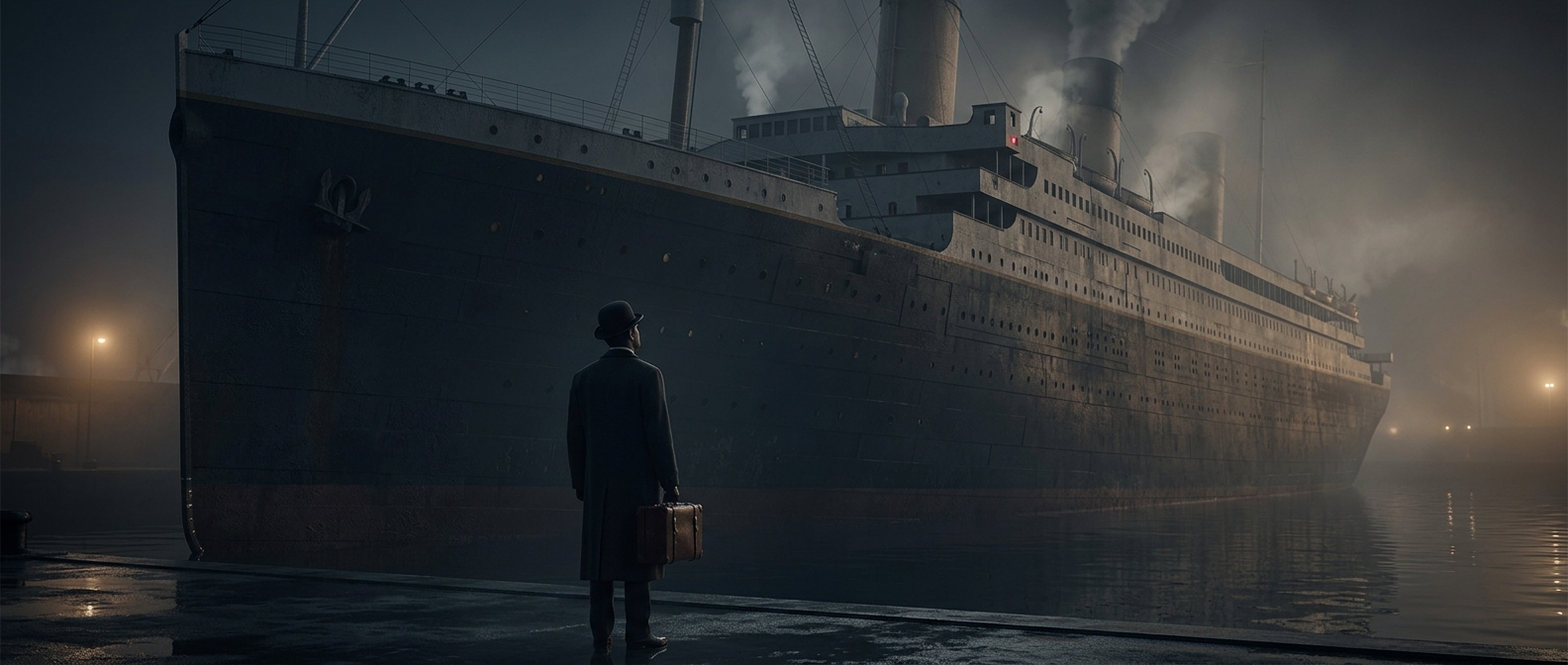
For decades, transatlantic steamships carried large numbers of European migrants in steerage, the crowded, lowest-cost accommodation aboard. The 1924 U.S. immigration law sharply restricted arrivals from many countries, reducing demand for those passage tickets. Ships and their lower-deck berths did not disappear when the passenger market changed; they became harder to fill.
An empty berth brought in no fare, so shipping companies looked for travelers who wanted a low-cost crossing but were not migrating. Their answer was to sell some of this basic accommodation to American students and other budget-minded tourists under a more inviting name: “Tourist Third Cabin.”
A new label for a different kind of traveler
The marketing recast a utilitarian crossing as an affordable way to see Europe. Students could travel abroad without paying for the more expensive cabins, while the lines could earn revenue from space that might otherwise go unused. The offer was not luxury under a clever label: its appeal was the low price and the chance to cross the Atlantic, with simpler accommodations than higher-priced passengers received.
That shift shows how a change in immigration policy could ripple into tourism. The ships had been built to move people across the ocean; when fewer migrants could buy passage, companies tried to fill the same berths with people traveling for a different reason. A space associated with migration became, in the sales pitch, a student’s ticket to Europe.