An AI image is often compared with a phone charge
The comparison is to charging a smartphone. It is a way to make the electricity used by a single image-generation request easier to picture: the task may take only seconds, but it still requires powerful processors to perform many calculations.
What uses the electricity
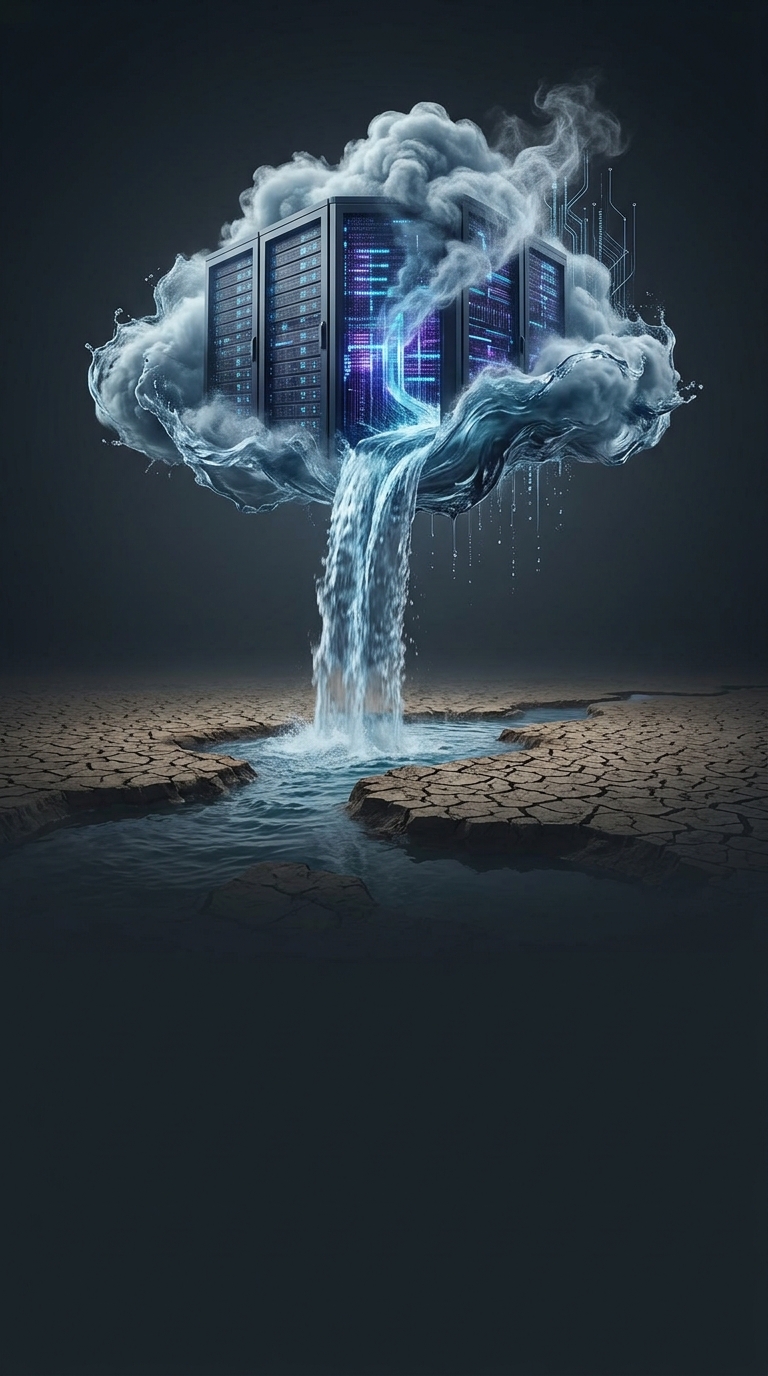
An image model does not retrieve a finished picture from a shelf. In a common approach called diffusion, it starts with visual noise and repeatedly adjusts that noise toward an image matching the prompt. Each adjustment involves calculations across the model’s learned patterns—such as shapes, textures, and relationships between objects. Those calculations run on specialized chips in a data center, which also uses electricity to keep the equipment operating and cool.
Why the comparison is only approximate
The energy for one image varies with the model, the hardware, the image size, and how many generation steps the system takes. A request that produces several candidates or repeatedly revises an image uses more than a single generation. So “a phone charge” is a memorable scale comparison, not a fixed meter reading for every image.
The larger consequence appears when small tasks are repeated at enormous scale: one image is modest, but millions of requests turn that modest draw into a substantial demand on data centers.