Why a Suitcase’s Journey Is Hard to Control
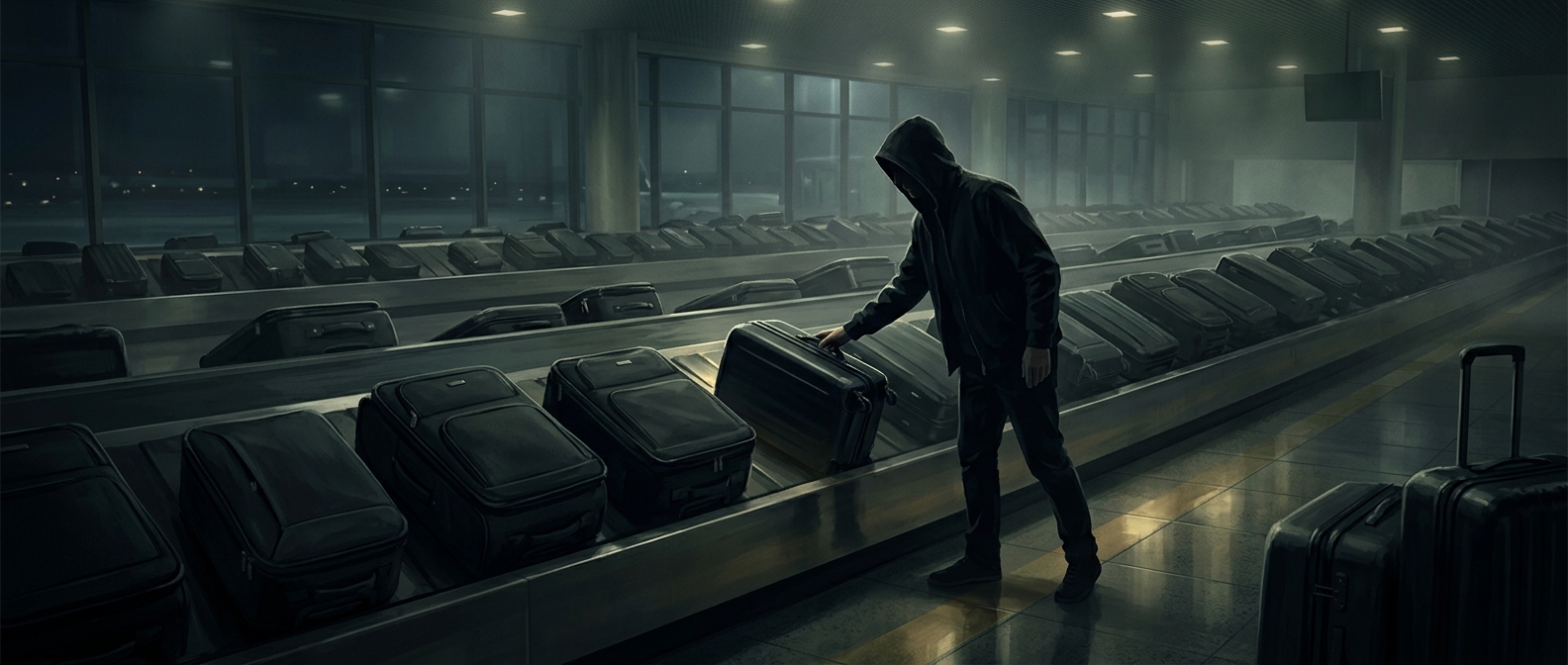
A checked bag passes through several handoffs before it reaches the aircraft: belts and sorting equipment move it through the airport, then workers transfer it to a cart or loading system and place it in the hold. Each transfer is another chance for a bag to be bumped, tipped, or set beneath other luggage. The route is designed to move bags reliably at scale, not to give each one delicate, continuous handling.
At the aircraft, the method depends on the plane. Some bags are packed into large containers before loading; others are placed directly into the hold. In either case, the available space has to be used efficiently, and the load must be arranged so it stays secure during flight. A label cannot change the shape of the hold, slow the entire baggage stream, or guarantee that a particular bag will remain on top.
What “Fragile” Can—and Cannot—Do
A fragile tag can alert handlers that a bag deserves care, but it is not a protective shell or a promise of separate treatment. It also cannot make the automated parts of the journey gentle. Hard-sided cases, sturdy packing, and cushioning around delicate items provide physical protection that a sticker cannot.
For anything especially breakable or valuable, the key decision happens before check-in: pack it so it can withstand ordinary impacts and pressure, or keep it with you if airline rules allow. The tag may communicate a warning; the packing has to do the protecting.