Why the Aswang’s Footsteps Sound Wrong
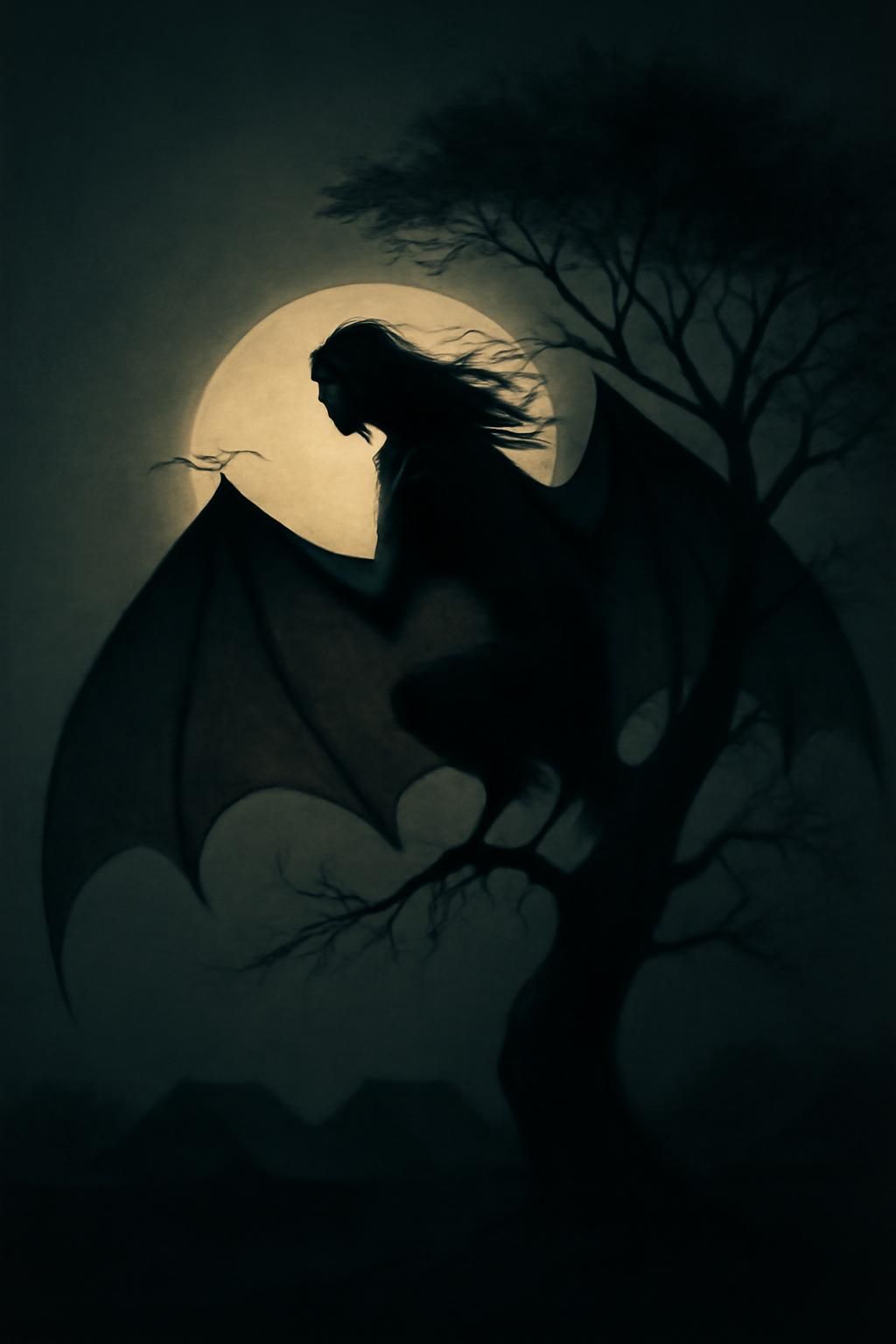
In some Philippine village traditions, the aswang is a feared nighttime creature, often imagined as a woman who hunts after dark. Stories about aswangs vary from place to place, but one unsettling detail turns an ordinary sound into a warning: her approach is said to seem backward. The quieter it grows, the nearer she is.
That reverses the way people usually judge distance. A sound that fades normally suggests its source is moving away; in this tale, fading is the clue that danger is closing in. The listener cannot rely on volume to tell whether the threat is retreating or approaching. The story makes uncertainty itself frightening.
A warning carried by silence
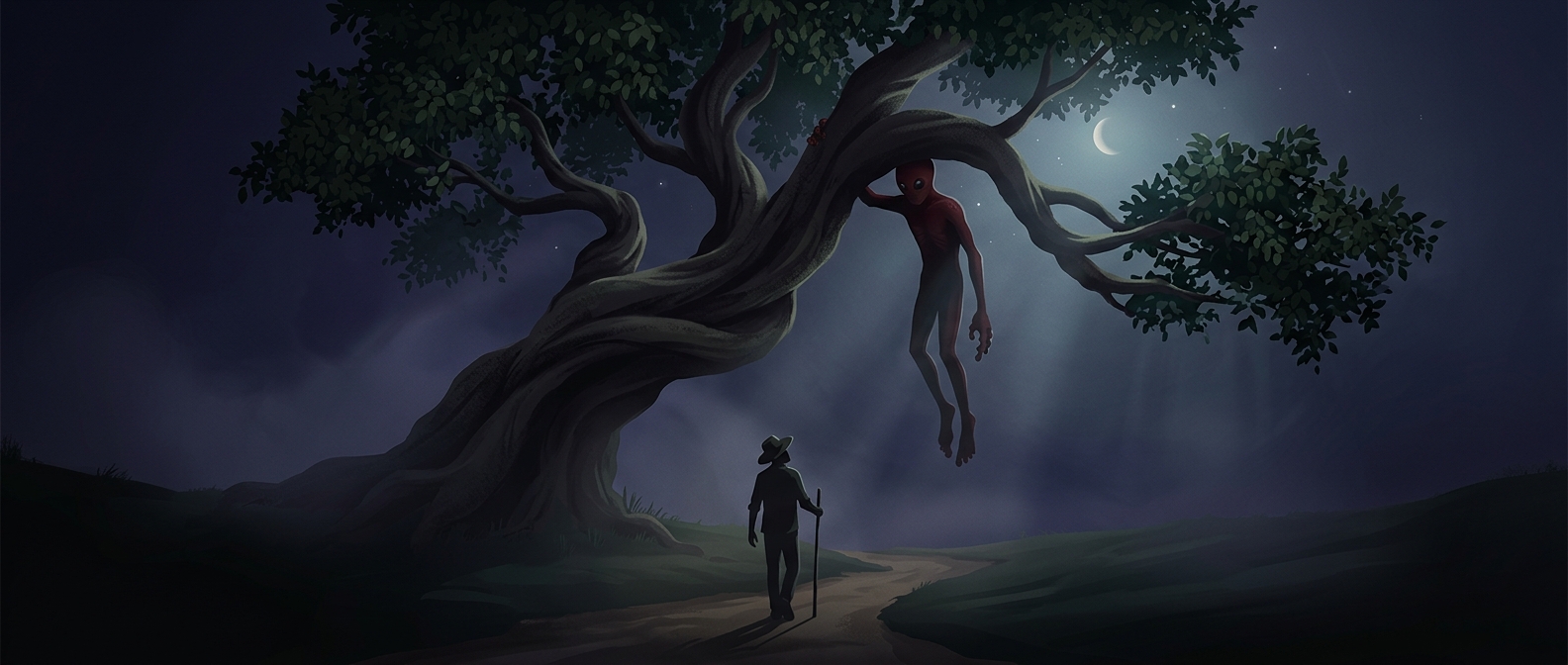
Lowering one’s voice at night is a practical response within the story’s world: if the aswang might be listening from the trees, speaking softly feels safer than calling attention to yourself. The trees also make a fitting hiding place in the imagination—dark cover that leaves the listener unsure where a sound began.
The detail does more than describe a monster. It gives fear a rule people can remember and repeat: if the approach sounds faint, do not assume the danger is far away. A familiar nighttime landscape becomes harder to trust, and even listening closely offers no easy reassurance.