A Travel Diary Made of Film Reels
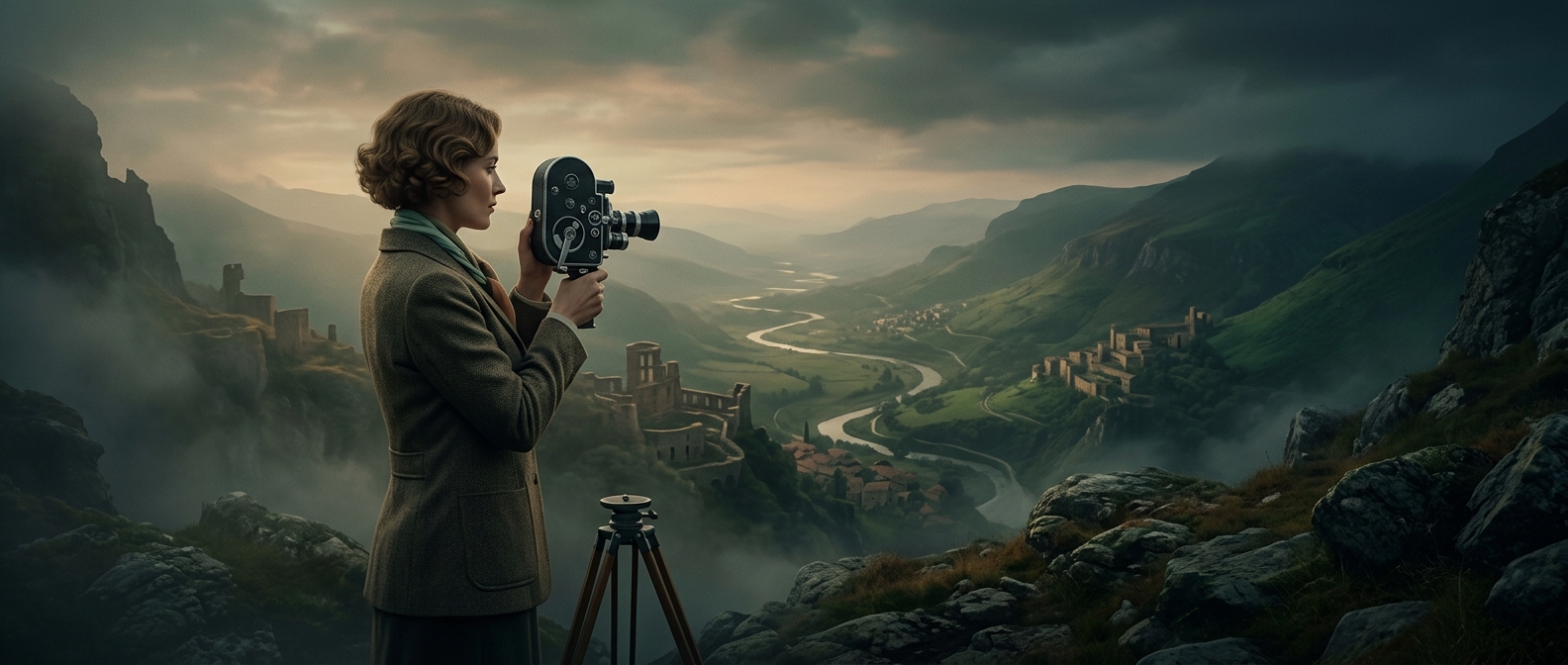
Calling a 1930 film a “travel vlog” is a modern comparison, not a description its maker would have used. The camera recorded scenes on motion-picture film, one frame at a time; turning its crank advanced the film and controlled how quickly those frames were exposed. The result could show movement, but it could not capture spoken narration or ambient sound.
Making the Journey Visible
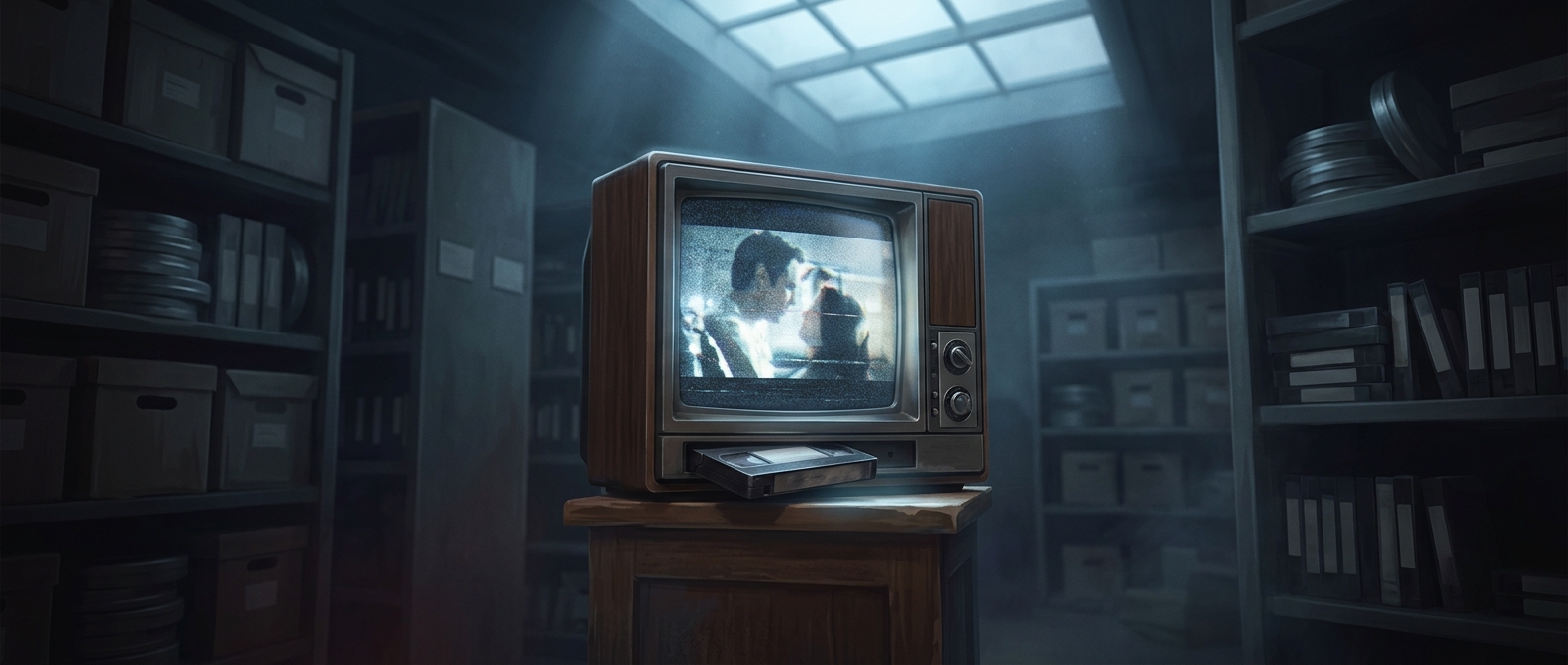
That limitation shaped the story. A silent travel film had to communicate through what the camera showed: changing landscapes, streets, people, and the traveler’s own choice of what to point the lens toward. Unlike a phone video that can be shared almost instantly, film had to be brought back and processed before anyone could see the finished images.
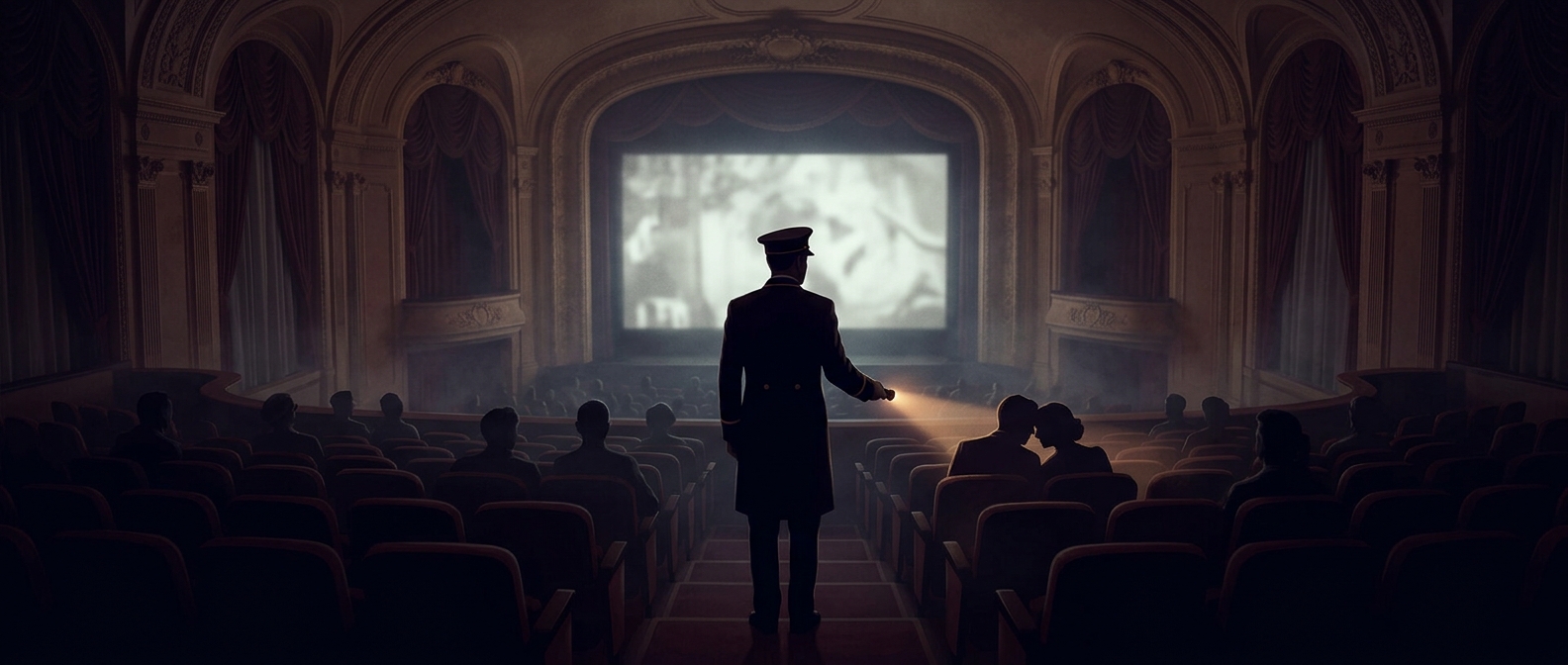
Screening the footage for friends turned the trip into a shared event. The audience watched the journey unfold from a fixed screen, while the traveler could supply the context in person. The camera carried the view; the traveler carried the commentary.
The Original Social Feed Was a Living Room
Today, a travel vlog reaches viewers through a platform. In 1930, its audience gathered around a projector. The technology was slower and the audience smaller, but the basic appeal was recognizable: letting people at home see places they had never visited through someone else’s eyes.