A movement is represented by a pattern, not a single signal
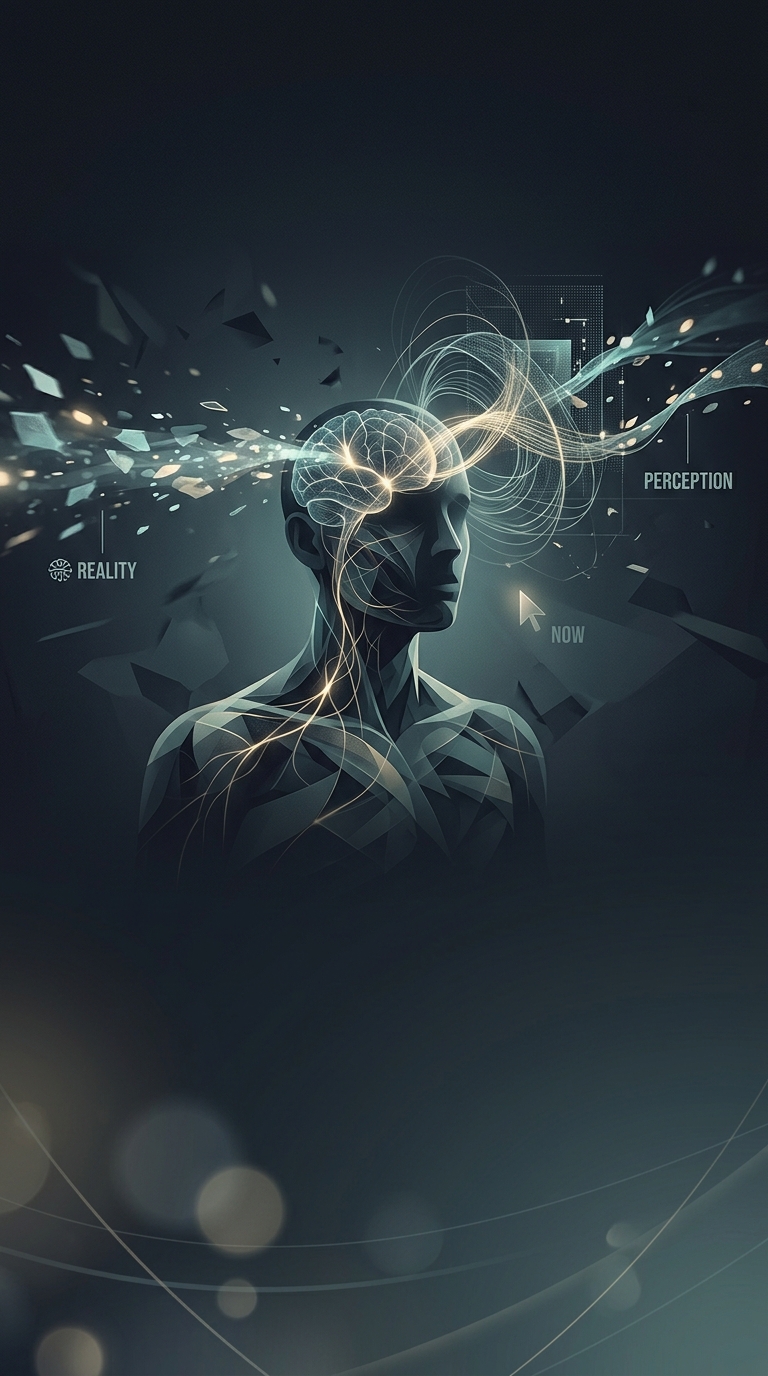
When someone plans to reach or grasp, many neurons change their activity together. The pattern is distributed: no single cell sends a neat “close hand” instruction. A brain-computer interface (BCI) measures some of that activity through electrodes, which may sit on the scalp or be placed closer to the brain. Each method captures different levels of detail, and neither provides a complete readout of the person’s thoughts.
For controlling a robotic limb, the useful information is often activity linked to intended movement. A decoder—a program that turns measured signals into commands—looks for combinations that tend to accompany actions such as reaching left or opening the hand.
Training turns patterns into commands
At first, the system does not know what the user’s signals mean. During calibration, the person may imagine or attempt particular movements while the interface records the resulting activity. The decoder uses those examples to connect signal patterns with intended actions. In use, it estimates the intended movement from new signals and sends corresponding commands to the device.
This is closer to learning a control scheme than translating a complete sentence. The system may distinguish a handful of useful actions, but it does not automatically recover every nuance of a natural hand movement. Neural signals vary, and electrode recordings can change, so reliable control depends on adapting the decoder and practicing with it.
The device closes part of the loop
A robotic hand can move in response, but movement alone is not the whole experience: people normally rely on touch and on seeing where their hand is. A BCI user may need visual feedback to judge whether the device grasped an object, and some systems also investigate ways to provide sensory feedback.
The practical breakthrough is that an intended action can become a usable command even when the body cannot carry it out. The machine is not reading a private thought; it is learning a narrow, personalized link between neural activity and a specific control task.