A ripple of footfalls moves down the body
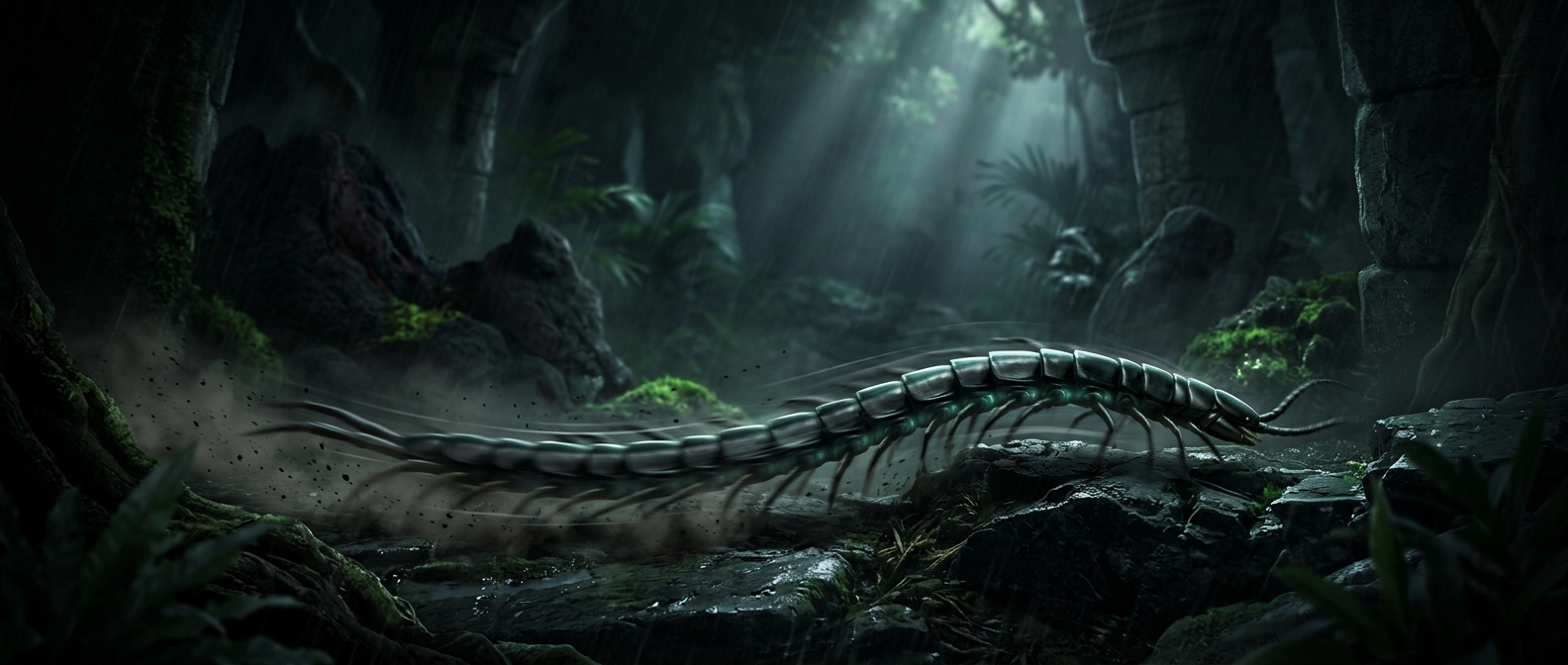
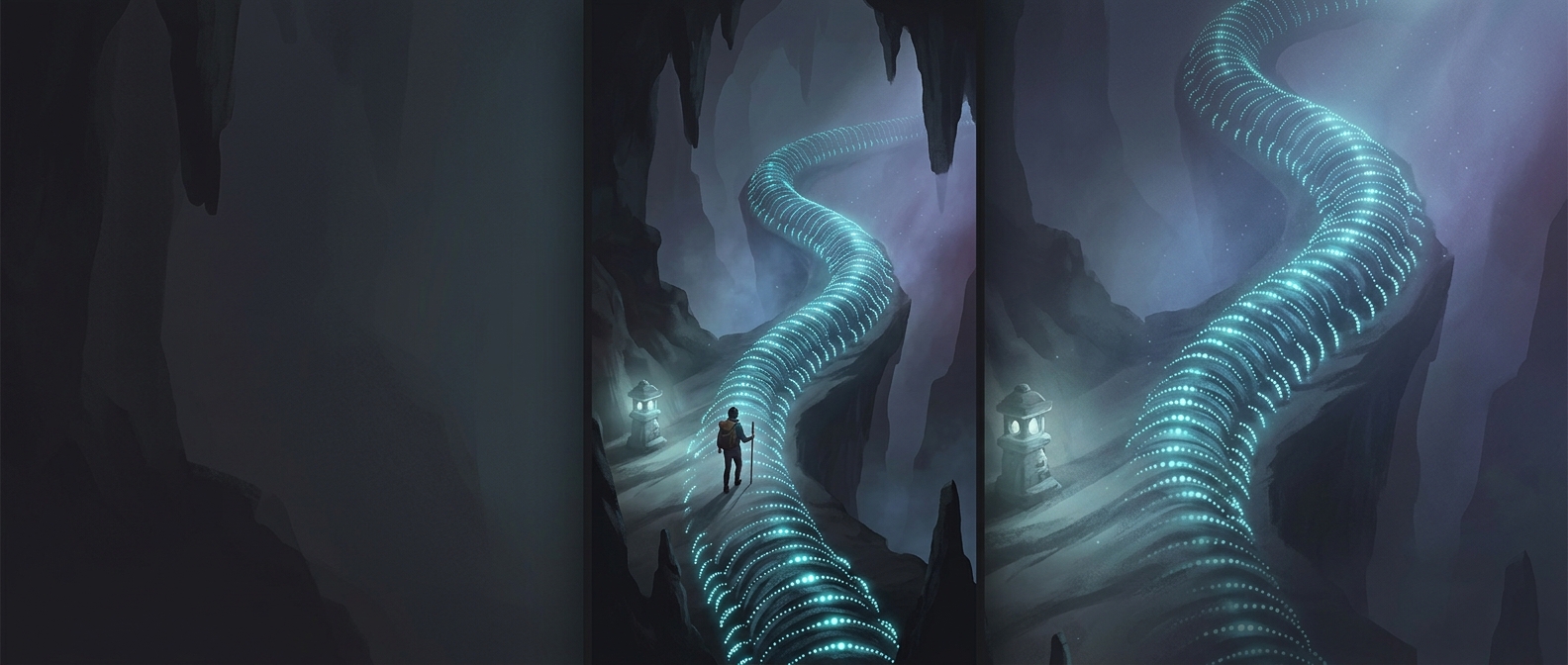
A millipede does not lift all its legs at once. Neighboring legs take turns, so the lifting-and-planting pattern travels along the animal like a wave. As a leg touches the ground, it pushes backward against the surface; that reaction nudges the body forward. It then swings ahead to plant again. The wave can keep moving even when the legs at different points along the body are in different parts of this cycle.
This traveling pattern is called a metachronal wave: a sequence of repeated movements, each slightly delayed from the one before it. In many millipedes, the legs are arranged in pairs beneath body segments, giving the animal many closely spaced points of contact. The result is a steady procession of steps rather than one dramatic thrust.
Many contacts help a long body keep moving
The arrangement suits a low, elongated animal moving close to the ground. Numerous legs share the work of supporting and pushing the body, while the staggered timing helps keep some feet planted as others swing forward. Small legs can also find purchase on uneven ground where a single large step might slip or leave the body unsupported.
The ripple is especially striking when a millipede crosses a clear surface: the body advances smoothly while the legs seem to run beneath it. What looks like a single coordinated gesture is actually a chain of local actions—each leg responding in sequence, with the resulting wave carrying the animal along.