How a Lobster Turns Urine Into a Signal
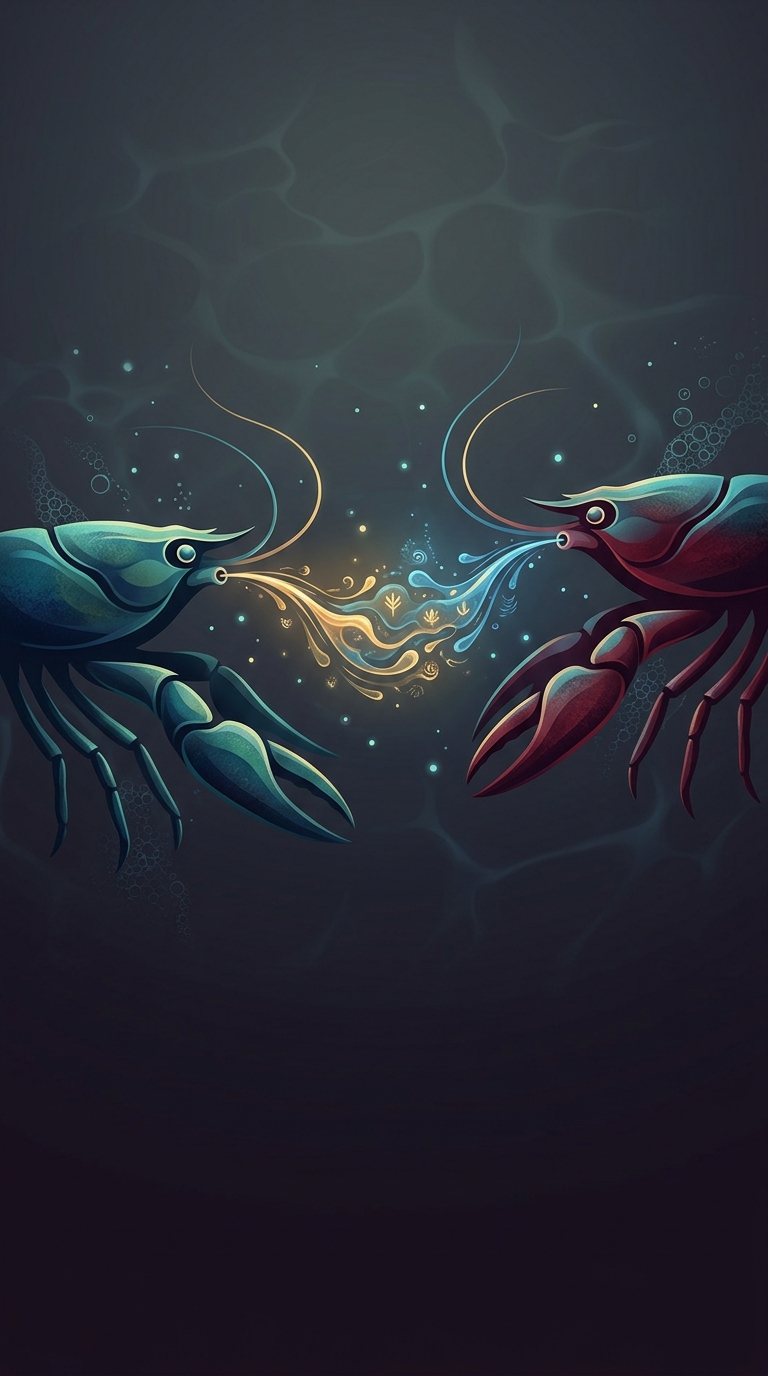
A lobster’s urine leaves through small openings near the base of its antennae, beneath its eyes. Those openings are positioned so the animal can direct a stream toward another lobster during a close encounter. The urine carries chemical cues—substances another animal can detect and respond to—so the jet does more than remove waste: it delivers information into the other lobster’s immediate surroundings.
The receiver samples that chemical world with its antennules, the short, forked feelers near the front of its head. They bear sensory hairs that detect dissolved chemicals. By flicking them through the water, a lobster can pick up a cue and react, even though it cannot see where every molecule came from.
Why Aim the Message?
In a confrontation, chemical cues can help lobsters assess one another. A face-to-face spray places the signal close to the rival’s sensory equipment, where it is less likely to be diluted before detection. That information can contribute to the rival’s decision to persist or back down; the contest also depends on physical displays and the animals’ relative strength.
Urine signaling also appears in courtship. In both settings, the point is not that a stream carries a simple sentence. Chemical signals can convey information about the sender and its condition, while the receiver’s response depends on context. A rival and a potential mate may interpret cues differently because they are weighing different things.
A Message That Depends on the Water
Unlike a sound or a visual display, a chemical signal travels as molecules carried and dispersed by water. Distance, currents, and the receiver’s position all affect how much of the signal reaches its sensors. That makes the targeted spray useful at close range: it puts the chemical message where another lobster can sample it during an encounter.
The result is a strikingly direct form of communication. When two lobsters square off, the exchange is not only about claws and posture; one may also be sending a chemical cue straight toward the other’s face.