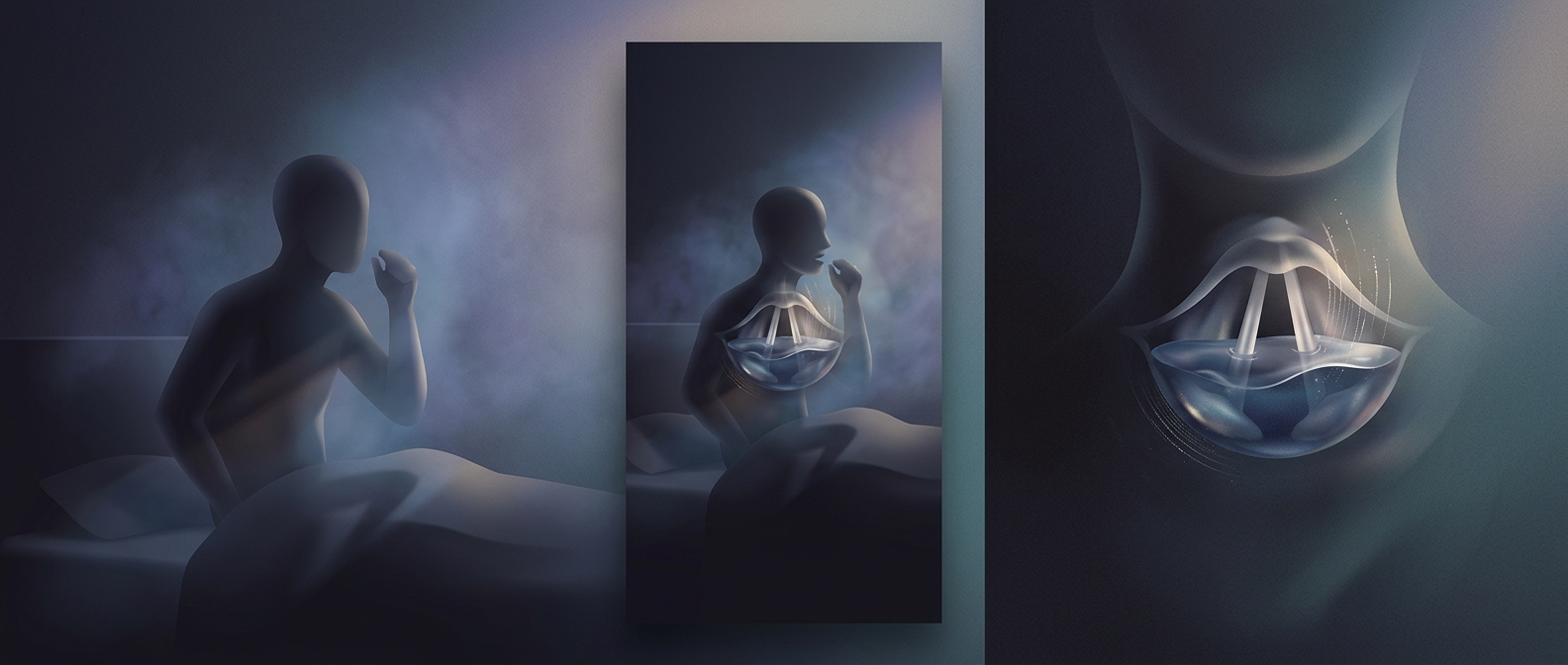
How the Human Mouth Turns Air Into Speech
Speech sounds are shaped in the space above the voice box: the throat, mouth, and nose. Air from the lungs sets the vocal folds vibrating for many sounds; the tongue, lips, jaw, and soft palate then alter the airflow and the resonances of that space. A small shift can change one sound into another. Moving the tongue tip toward the ridge behind the teeth, for example, helps make the consonant t; closing the lips briefly helps make p.
The range comes from combining these movements quickly and precisely. Speech is not a string of isolated mouth poses: the articulators often move in anticipation of the next sound, blending neighboring sounds together. That coordination lets people produce a large inventory of consonants and vowels and switch among them at conversational speed.
Anatomy and Control Work Together
The vocal tract is not simply a fixed instrument. Its shape changes continuously, while the brain coordinates breathing, voicing, and fine movements of the tongue and lips. People learn these patterns by hearing speech and practicing them, which is why unfamiliar sounds can be difficult to reproduce even when the mouth is physically capable of making them.
Other animals communicate with calls, and some can imitate particular human sounds. But their vocal anatomy, control, and learned communication systems do not combine in the same way to produce the broad, rapidly changing sound patterns humans use in speech. The distinctive ability is not just making noise—it is steering airflow and resonance with enough precision to make a brief change in tongue or lip position carry a different spoken sound.