A closer look
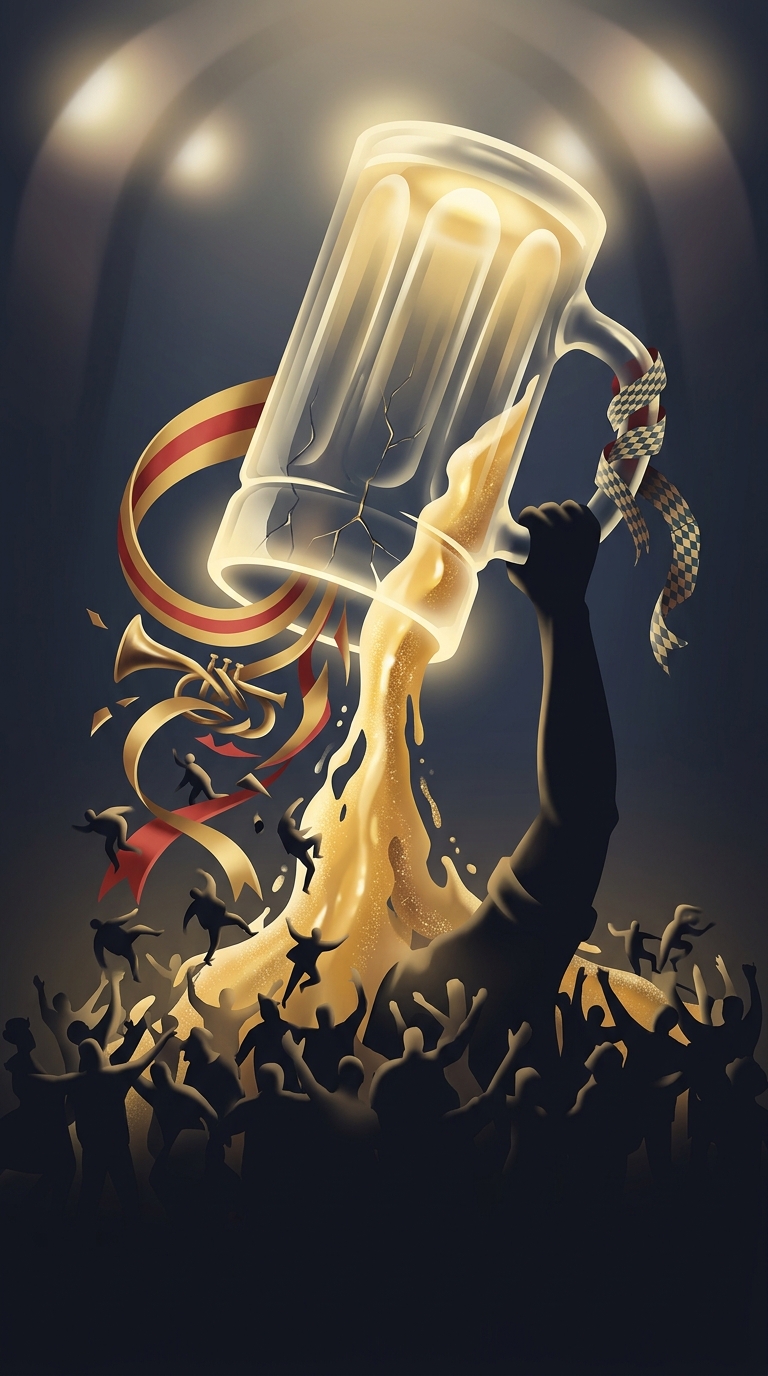
Oktoberfest in Munich is actually held mostly in September because the weather is slightly warmer, proving that even the most deeply held Bavarian traditions will happily bend to the practicalities of outdoor drinking. The festival originated as a royal wedding celebration in 1810, but has since devolved into a massive two-week marathon of aggressive alcohol consumption where thousands of tourists don cheap, culturally appropriated lederhosen purchased from a train station kiosk. Inside the massive beer tents, you are subjected to deafening brass band music, sticky floors, and the terrifying prospect of trying to lift massive one-liter glass steins while balancing on a wobbly wooden bench. It is a wildly lucrative enterprise that generates billions of euros, primarily by convincing global visitors that paying fifteen euros for a single beer and getting aggressively shoved by heavily intoxicated strangers is an authentic, enriching European cultural experience