How lactate keeps energy flowing
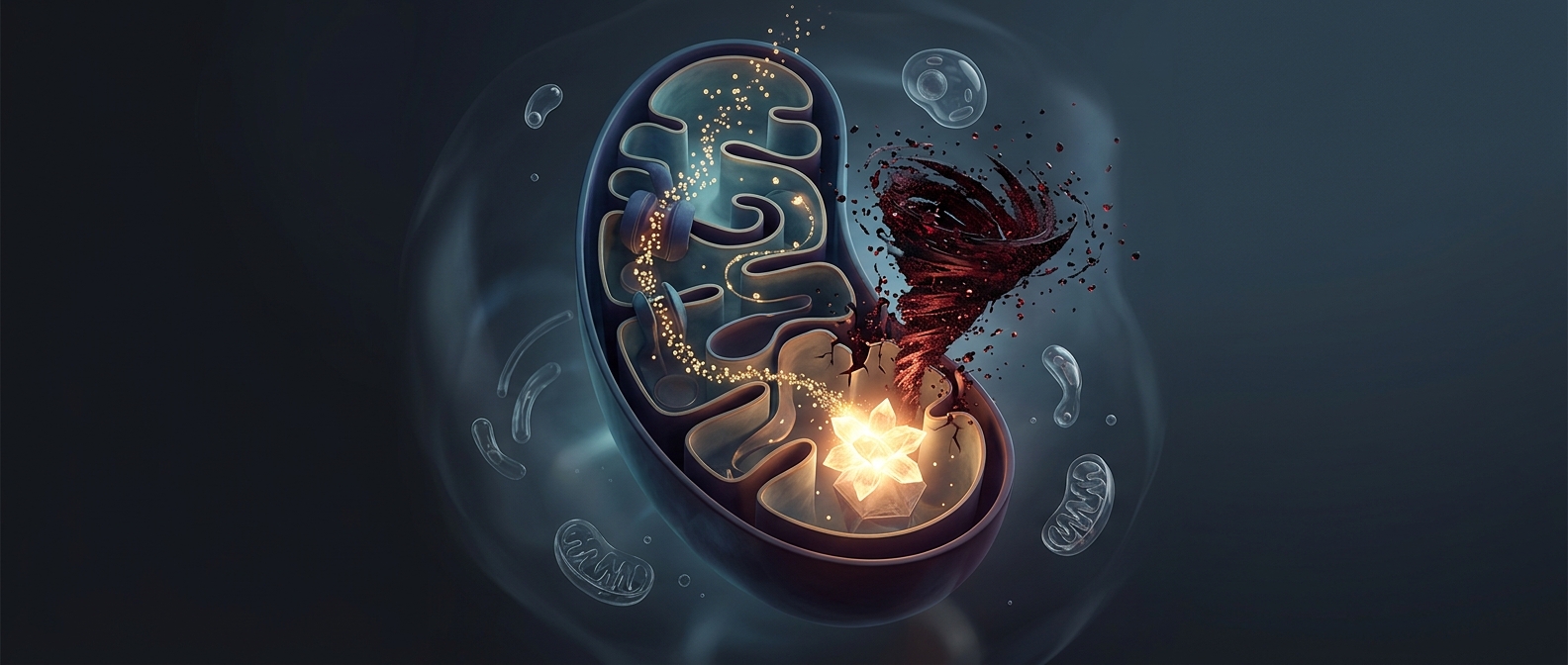
When exercise demands energy faster than cells can supply it through slower pathways, muscles speed up glycolysis—the process that breaks down glucose. This produces pyruvate, which can be used to make more energy. Converting some pyruvate into lactate also frees up a helper molecule glycolysis needs to keep running, so the rapid energy supply can continue.
Lactate does not have to stay where it was made. It can leave working muscle and enter the bloodstream, then be taken up by other muscle fibers, the heart, and other tissues. Those cells can convert it back into pyruvate and use it to produce energy. The liver can also recycle lactate into glucose, which may return to circulation as fuel.
The burn is not a pileup of lactate
The familiar burning sensation during hard effort is associated with the changing chemical conditions inside working muscle, not simply with lactate accumulating as a waste product. Lactate levels often rise during intense exercise, which helped link the molecule to the burn, but the body is also using and moving lactate while the workout is underway.
That makes lactate part of a rapid fuel-sharing system: one group of cells produces it when energy demand surges, and other tissues can help turn it back into usable energy. The molecule often blamed for the burn is, in fact, still in circulation as fuel.