A private ritual in a public crisis
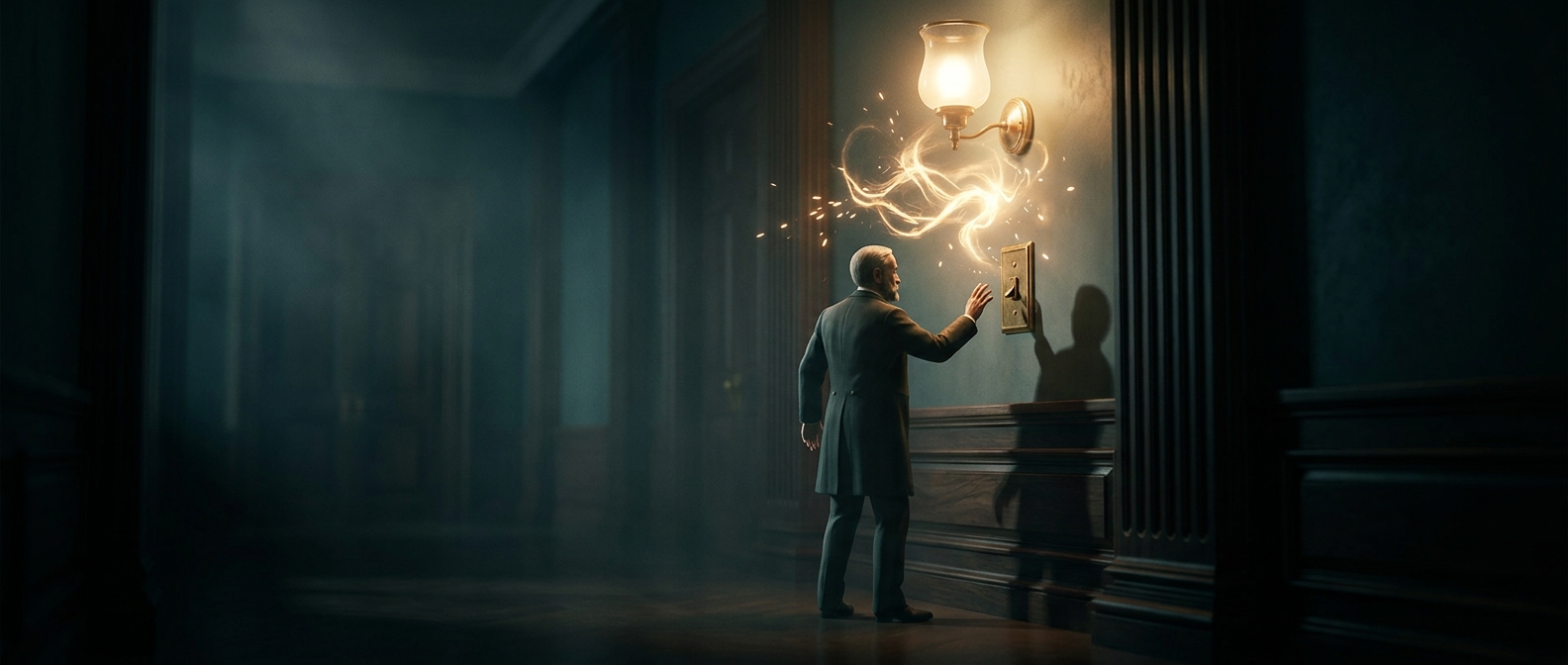
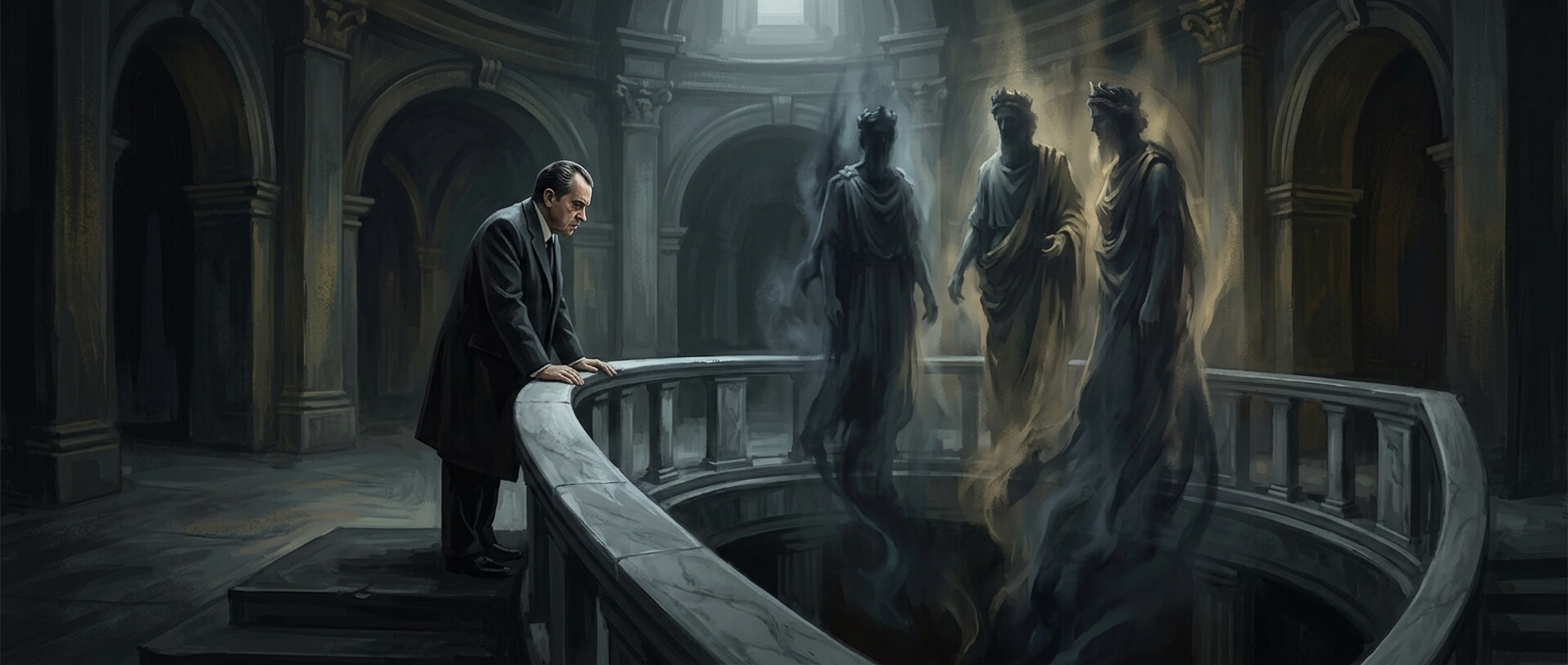
Watergate turned the presidency into a narrowing room. As investigators and Congress pursued the break-in and its cover-up, Richard Nixon faced mounting evidence, shrinking political support, and the prospect that he could no longer remain in office. The reported nighttime conversations with presidential portraits suggest how that pressure could feel in private: the people around him were not the only audience he imagined.
Why Lincoln and Kennedy?
Abraham Lincoln and John F. Kennedy offered two sharply different mirrors. Lincoln was remembered as a leader who held the Union together through civil war; Kennedy represented a modern presidency cut short by assassination. Their portraits could make the White House’s history feel immediate, turning a hallway into a place where Nixon could measure his own predicament against earlier presidencies.
That does not tell us what advice he sought, or whether he expected an answer. The anecdote’s force lies in the contrast between the office’s grandeur and a president alone with its past. Portraits usually mark continuity and authority; in this story, they become imagined confidants at a moment when Nixon’s command of events was slipping.
The isolation behind the image
The episode is best understood as a reported glimpse, not a transcript of Nixon’s thoughts. It cannot establish what he believed about the portraits or what he decided afterward. But it captures a real feature of presidential power: the person at the center of a crisis may have extraordinary formal authority while becoming increasingly isolated from the people who can still influence its outcome.
By August 1974, Nixon resigned rather than face likely impeachment and removal. In retrospect, the image of him seeking counsel from predecessors makes the White House seem less like a seat of control than a place haunted by the standards and consequences of the office.