Why Washington’s woods keep the possibility alive
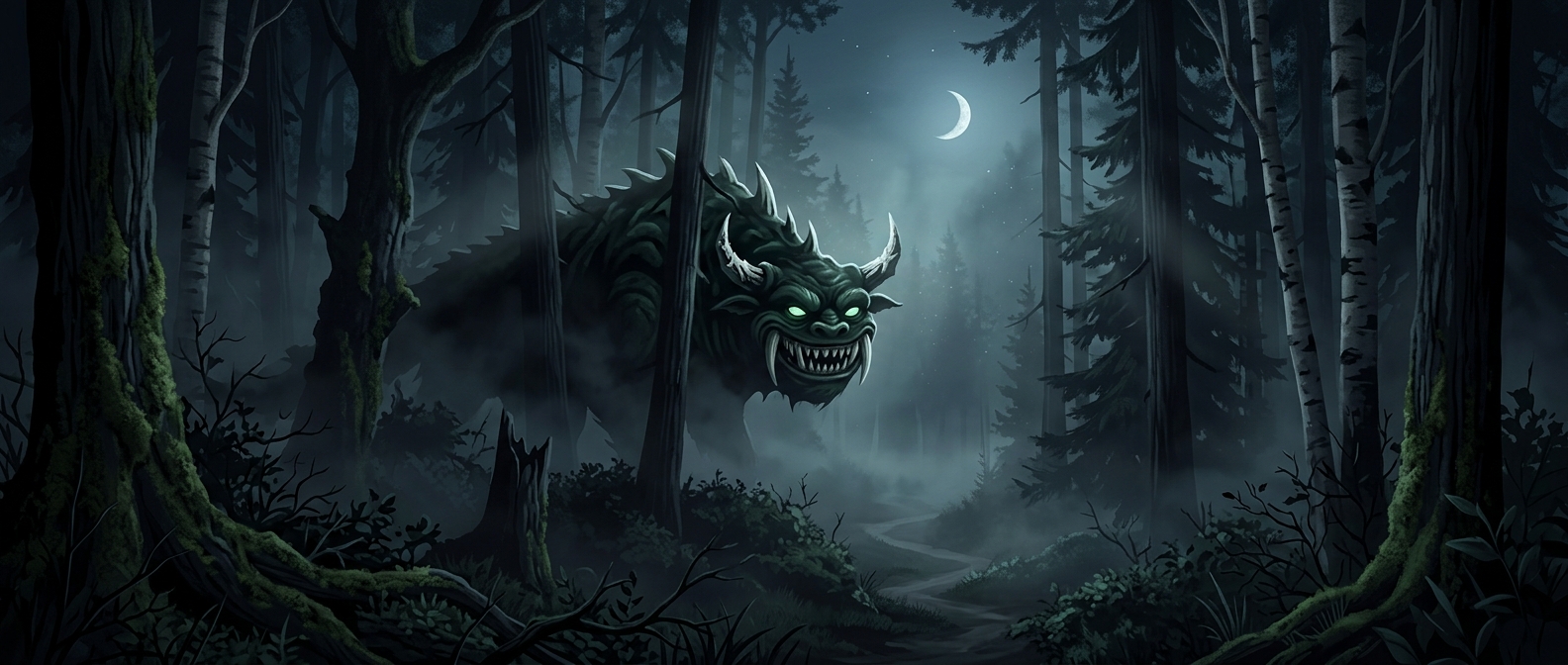
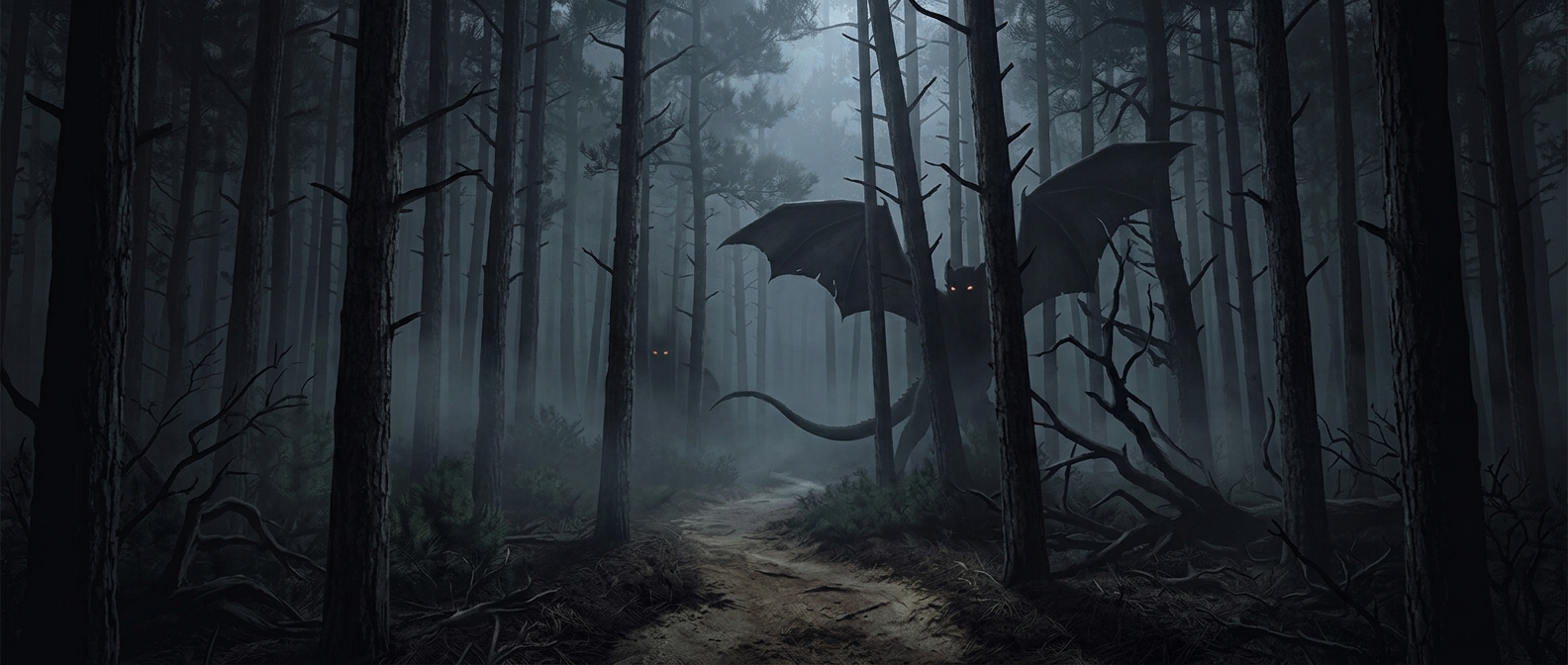
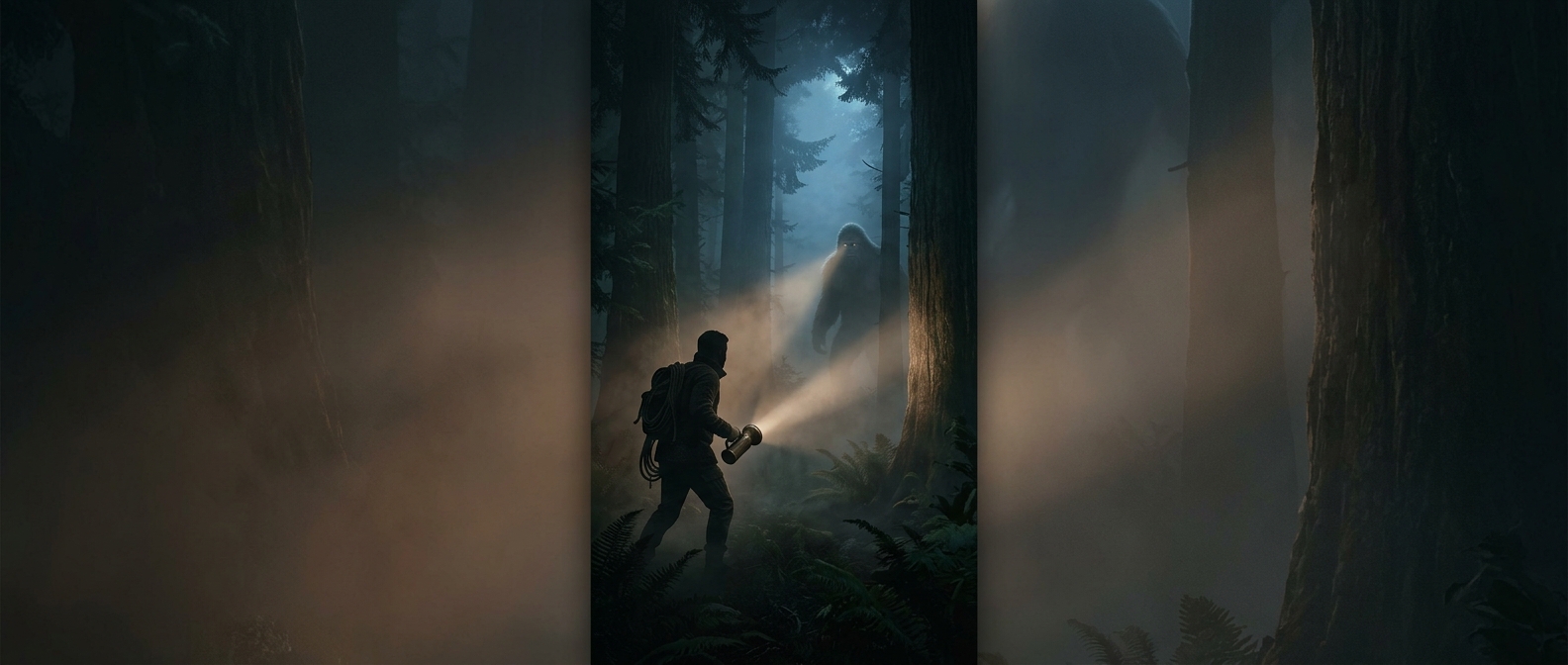
Washington’s appeal to Bigfoot hunters lies partly in the way its forests shape what a person can see—and what they can imagine. Thick vegetation, steep slopes, and long stretches of quiet woodland can break a view into fragments: a dark form between trees, a sound from beyond the trail, movement that disappears before it can be identified. The landscape makes a face-to-face encounter feel possible while making a clear look difficult.
That combination gives a search its tension. A hunter can move through a real, familiar forest while watching for something that remains uncertain. Each bend in the trail offers another chance, and every glimpse has to be judged against the trees, shadows, and distance around it.
A whistle turns waiting into a search
Whistles give hunters a way to make themselves heard without shouting. In the woods, a brief, sharp sound can travel beyond the immediate trail, then leave the caller listening for a response. For people who believe an elusive creature might be nearby, the call is an invitation—and a way to make the quiet feel interactive rather than empty.
The method also reflects the basic problem of searching for an animal—or a creature believed to be one—that is rarely seen clearly. Hunters cannot follow a dependable trail of sightings from one moment to the next. Instead, they choose a place, make a sound, and wait for the forest to answer. The attraction is not just the possibility of finding Bigfoot; it is the suspense of not knowing what the next sound or shadow will turn out to be.