Why Ships Need Fixed Directions
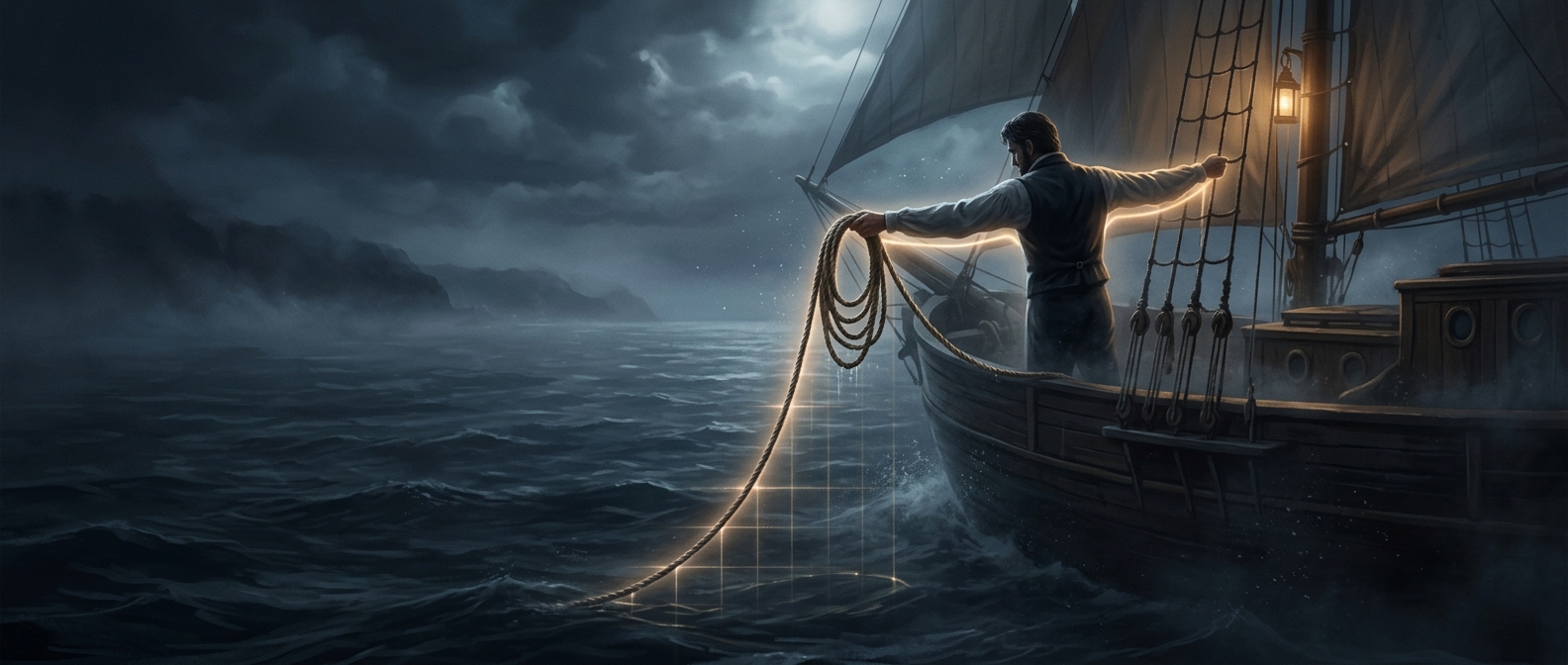
On a moving vessel, “left” and “right” can become ambiguous: they depend on which way a person is facing. A sailor looking toward the stern has the opposite left and right from someone facing the bow. Port and starboard solve that problem by naming the ship’s sides, not a person’s sides. The terms stay attached to the vessel as it turns, and they give crew members a shared frame of reference when giving directions.
Names Shaped by Ship Design
“Starboard” comes from an old term for the side used to steer a vessel. Before ships commonly had a rudder fixed at the center of the stern, many were steered with a board or oar mounted along one side, often the right. “Port” became the name for the opposite side—the side that could be brought alongside a landing place. The older word “larboard” also referred to that side, but its sound was easy to confuse with “starboard,” so “port” became the clearer alternative.
A Shared Frame at Sea
The distinction matters most when a command must be understood quickly. If someone calls for a change of course or points out an obstacle, a fixed side-name avoids the need to work out where the speaker is standing or facing. It also makes directions consistent across the bridge, deck, and charts. Port and starboard turn a person-relative instruction into one everyone aboard can interpret the same way.