Why the whole lift is paced by its stations
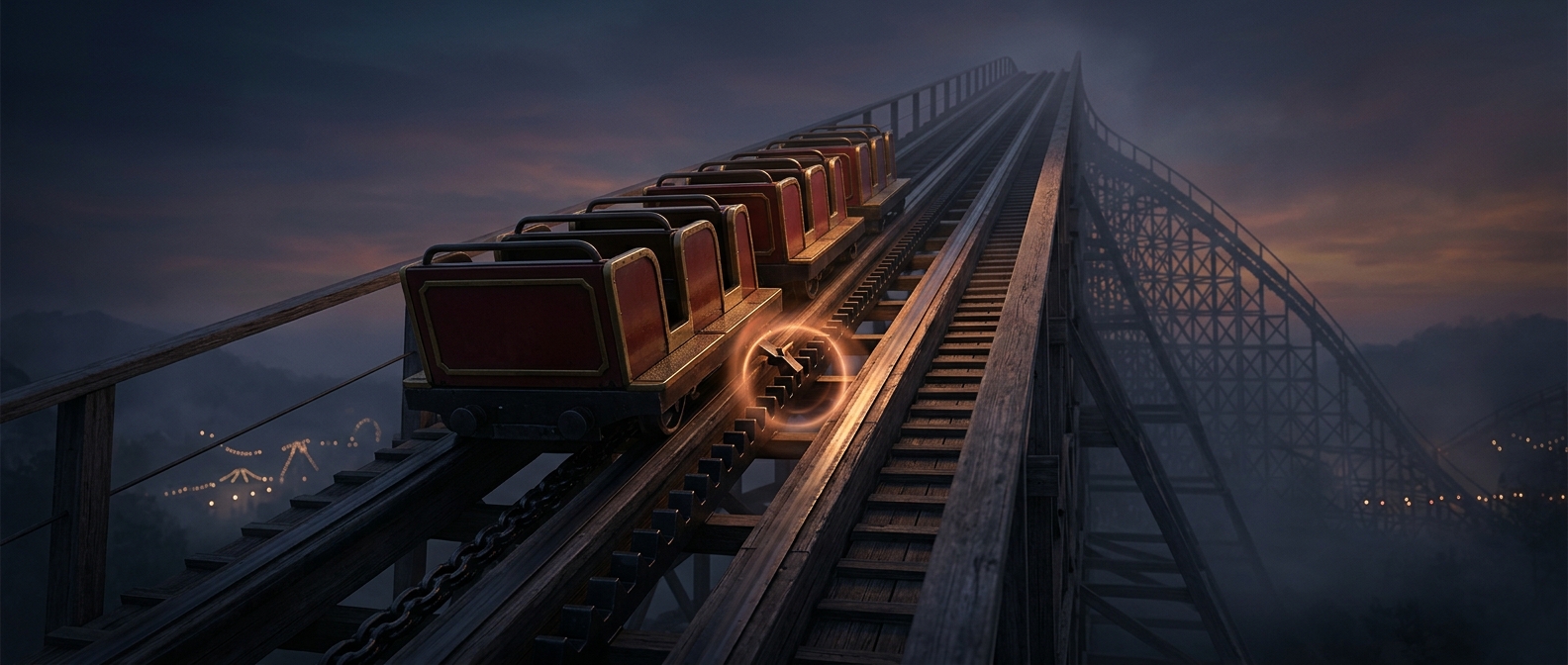
On a fixed-grip lift, each chair is clamped directly to a moving cable. The cable carries it at essentially the same speed through the loading area, up the mountain, and around the return station. That makes the station—not the steepness of the route—the key limit: riders need time to line up, sit, and clear the platform before the next chair arrives.
Operators can arrange the approach and use signs or moving carpets to help people reach the right spot, but they cannot slow just one chair without changing how the entire cable system works. The steady pace also makes chair spacing predictable, which helps keep the loading and unloading areas orderly.
Faster uphill means a more elaborate station
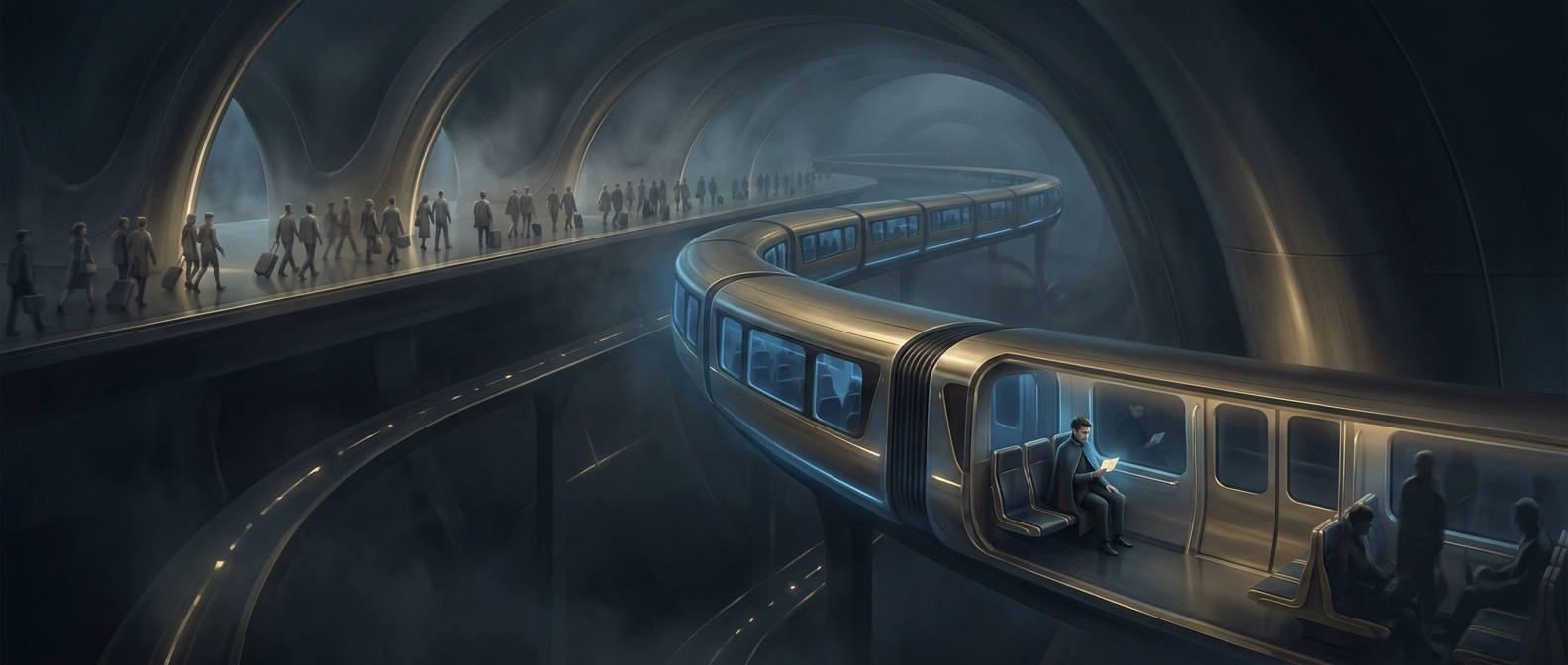
Some lifts solve the boarding problem with detachable chairs. At the station, a grip releases the chair from the fast-moving cable, and the chair travels slowly around the platform; it then reconnects before heading uphill. This lets the cable—and the ride between stations—move faster without forcing riders to board at that speed.
That extra machinery brings more cost and complexity, so it is not the right choice for every lift. A fixed-grip system trades a slower ride for simpler equipment and a more straightforward flow through the stations. Its speed is therefore not just a matter of how quickly the cable could pull: it reflects how the lift balances travel time against the moment when passengers have to get on and off.