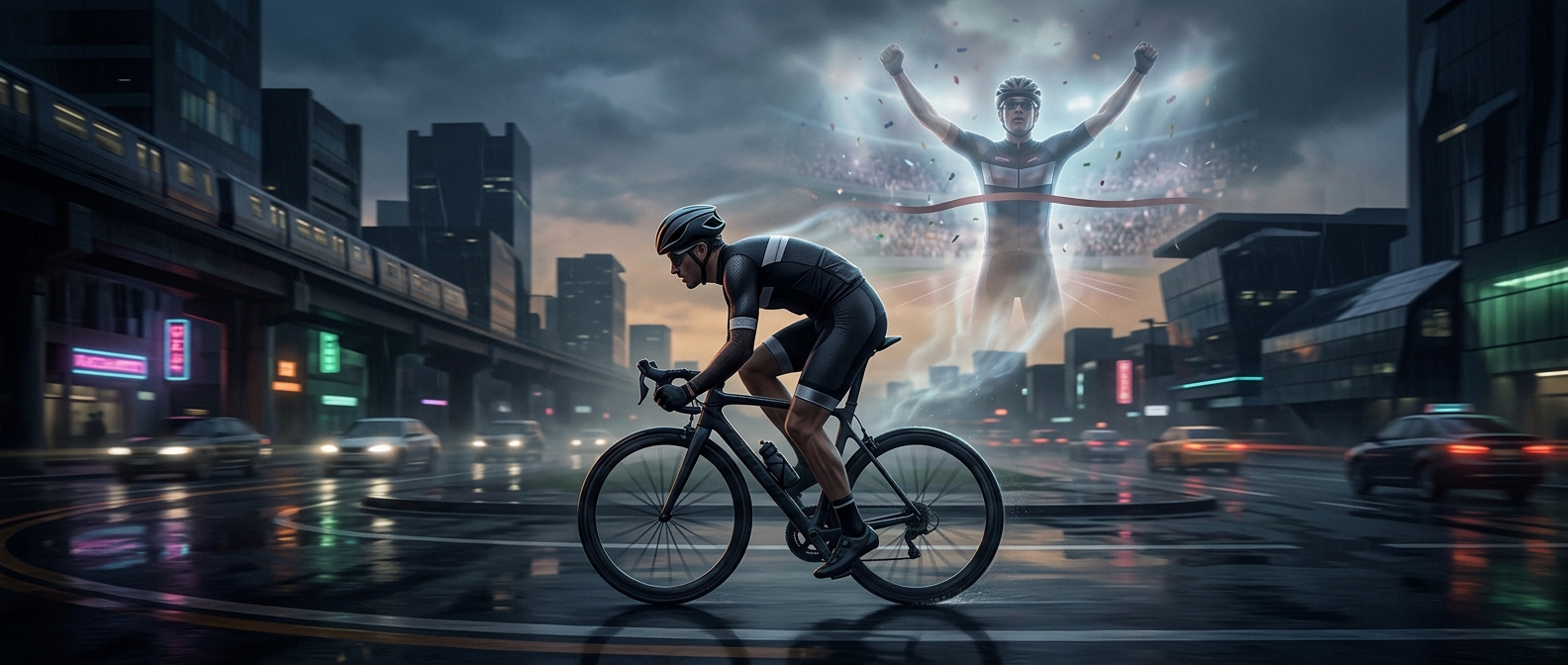
Why a rainy commute is harder than a wet ride
A shower changes more than the cyclist’s comfort. Clothes can arrive damp, shoes may stay wet for hours, and spray from traffic can soak a rider even when the rain is light. Wet pavement also calls for gentler braking and more care around painted road markings, metal covers, and slick leaves. The same trip that felt simple in sunshine can suddenly require extra time, gear, and attention.
That burden is especially visible in commuting because the destination imposes a deadline. A recreational rider can turn back or wait out a storm; someone heading to work, school, or an appointment may have no such flexibility. If there is nowhere to change clothes or store wet gear, cycling carries a practical cost that fuel prices alone do not erase.
What makes the switch stick
A spike in gas prices can prompt people to try a bicycle, but keeping the habit depends on whether the whole trip remains workable. Covered bike parking, a safe route with fewer fast-moving vehicles, a place to dry off, and reliable public transit for especially bad days can each reduce the risk of a ride becoming a miserable ordeal. Fenders help keep road water off clothing; lights and reflective details help make a rider easier to see in poor conditions.
These supports matter because commuting is a chain of decisions, not just a calculation of distance or fuel expense. A person who can ride comfortably on most days—and has another option when conditions are severe—is more likely to keep cycling than someone expected to pedal through every storm without backup. Weather does not simply test enthusiasm; it exposes how much a transport system depends on comfort, safety, and flexibility.