A pilgrimage railway that stopped short of Mecca
The Hejaz Railway was built to carry passengers from Damascus south toward Medina, making the journey to Islam’s holy cities faster and easier for pilgrims. Despite its familiar description as a railway to Mecca, the track never reached Mecca: travelers bound there still had to continue by other means from Medina.
The line also strengthened Ottoman control over distant provinces. Its trains could move officials and supplies as well as pilgrims, giving the railway importance beyond travel.
Why sabotage could not erase it
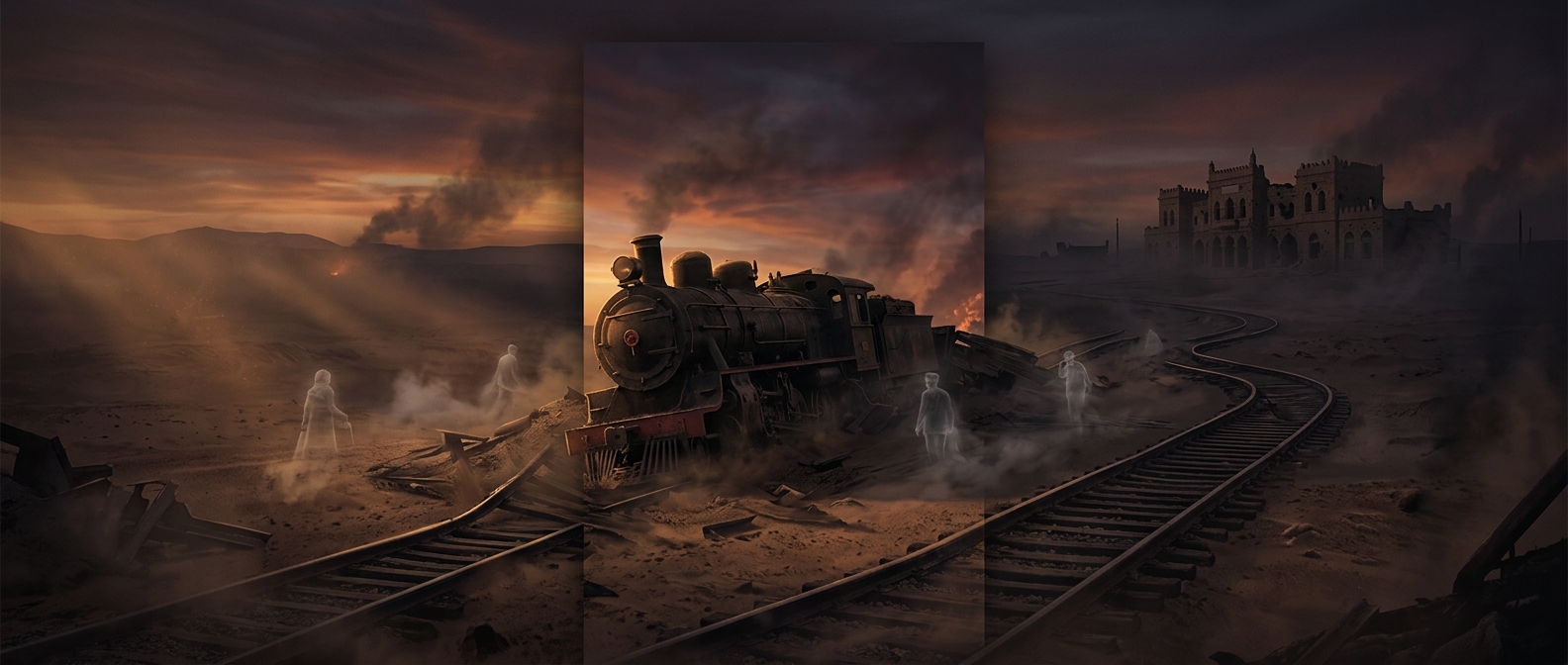
During World War I, T. E. Lawrence and Arab forces attacked the railway as part of their campaign against Ottoman rule. A damaged rail could interrupt a train, but it did not necessarily destroy the whole network: track and equipment could be repaired, and sections could return to service. Sabotage made the railway harder to use as a military supply route without making its physical infrastructure vanish.
From working line to tourist ride
Long after the war, surviving track in Syria found a different role. Trains ran as a tourist attraction, turning a railway built for pilgrimage and empire into a way to experience its old locomotives and route. That use depended on a functioning, accessible railway and the ability to run excursions safely.
Syria’s 2011 civil war brought those rides to an end. The contrast is stark: damage to rails could be repaired, but a war that disrupted the conditions for operating a tourist train could close the experience altogether. The railway endured as infrastructure; the journey it offered did not.