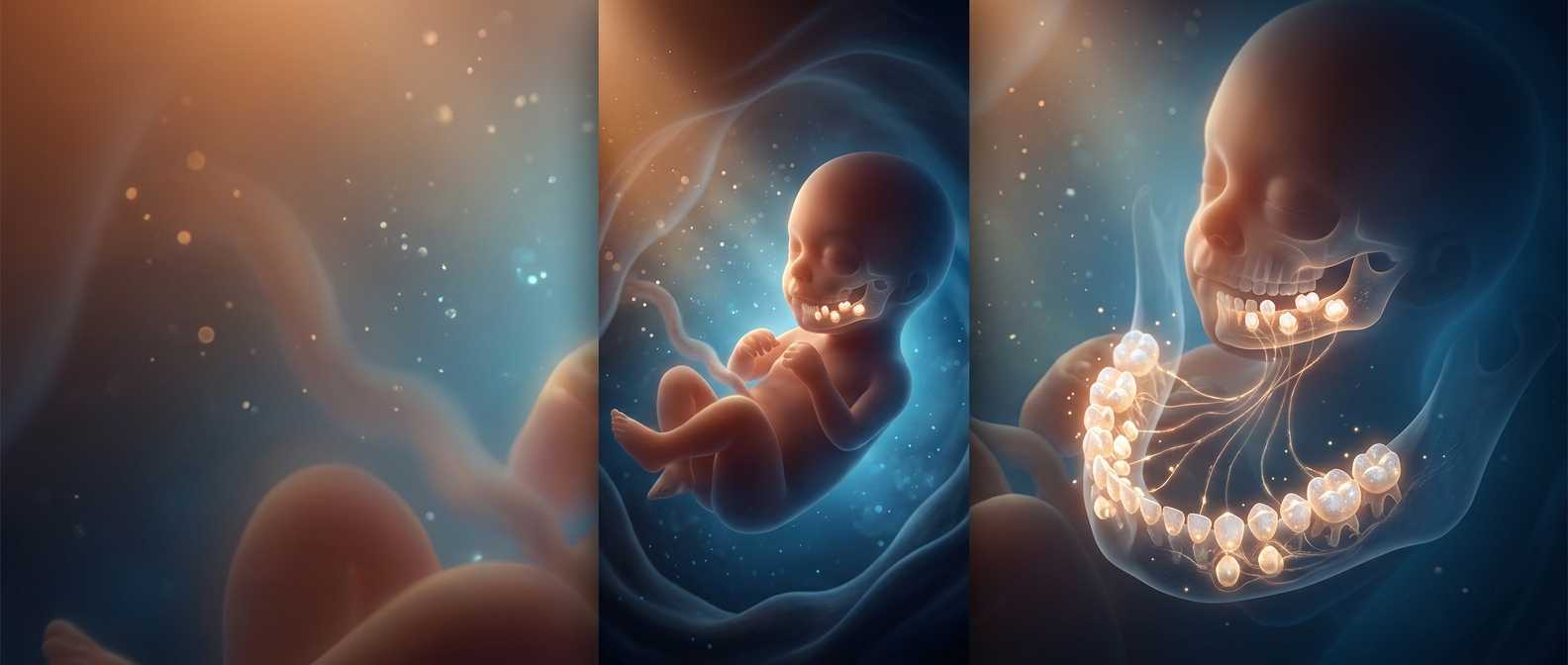
A changing source of fluid
Amniotic fluid does not come from a single source throughout pregnancy. Early on, water and dissolved substances move from the pregnant person’s tissues and the fetal side of the placenta into the sac. As the fetus develops, its kidneys begin producing urine, and that output becomes an important source of the fluid.
This is not the same as an adult’s kidneys removing most bodily waste. The fetus’s blood carries many waste products across the placenta to the pregnant person’s circulation, where they can be cleared. Fetal urine contributes mainly water and salts to the surrounding fluid.
A loop that keeps the environment changing
The fluid is continually taken up and replaced. The fetus swallows it; some is absorbed through the gut and enters the bloodstream, while the kidneys return water and other dissolved substances to the sac. Fluid also moves across the membranes around the fetus and the placenta, so the loop is part of a larger exchange between fetal and maternal systems.
That movement matters because the fluid is more than a passive cushion. It gives the fetus room to move and helps protect it from pressure. As the fetus swallows and breathes fluid in and out of the developing airways, those organs also encounter the conditions they need to grow. The womb’s fluid is therefore both a changing environment and a product of fetal development.