How childbirth can strain the pelvic floor
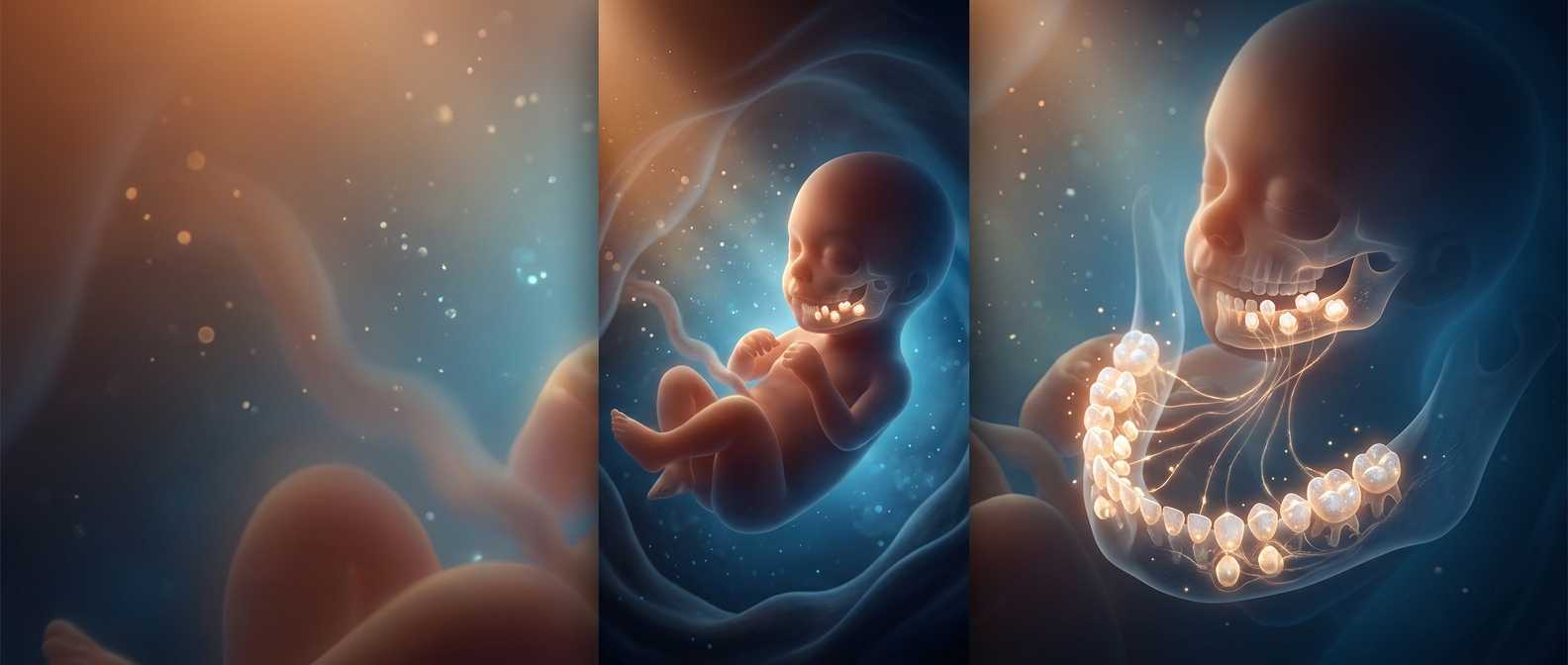
The levator ani is a group of muscles that forms much of the pelvic floor—the supportive sling beneath the bladder, uterus, and bowel. During vaginal birth, the baby’s head passes through an opening in this sling, which must widen substantially. The muscles and their surrounding connective tissue can be stretched or injured; in some births, the muscle partly detaches from the pelvic wall. Pressure on nerves can also temporarily weaken sensation or muscle control.
These changes help explain why some people develop urinary leakage, a heavy or bulging feeling in the vagina, or pelvic organ prolapse, in which an organ presses into the vaginal space. But injury is not inevitable, and symptoms do not follow from muscle stretch alone. Pregnancy itself, tissue support, nerve function, age, and other health factors all influence what happens over time.
Why recovery is not just a matter of Kegels
Kegel exercises train the pelvic-floor muscles to contract, but they are not the right first step for everyone. A painful, over-tight pelvic floor may need relaxation and coordination work; a weakened or poorly coordinated one may benefit from gradual strengthening. A pelvic-health physical therapist can assess how the muscles are working and tailor exercises, breathing, and movement strategies to the person’s symptoms and recovery.
That kind of care can help restore function, but it is not a guarantee against prolapse—and every person who gives birth does not need intensive therapy. Persistent heaviness, a vaginal bulge, pain, or bladder or bowel problems are reasons to ask a clinician about evaluation. The useful distinction is between normal strain that recovers and symptoms that deserve targeted care, rather than assuming either that childbirth leaves the pelvic floor untouched or that lasting damage is unavoidable.