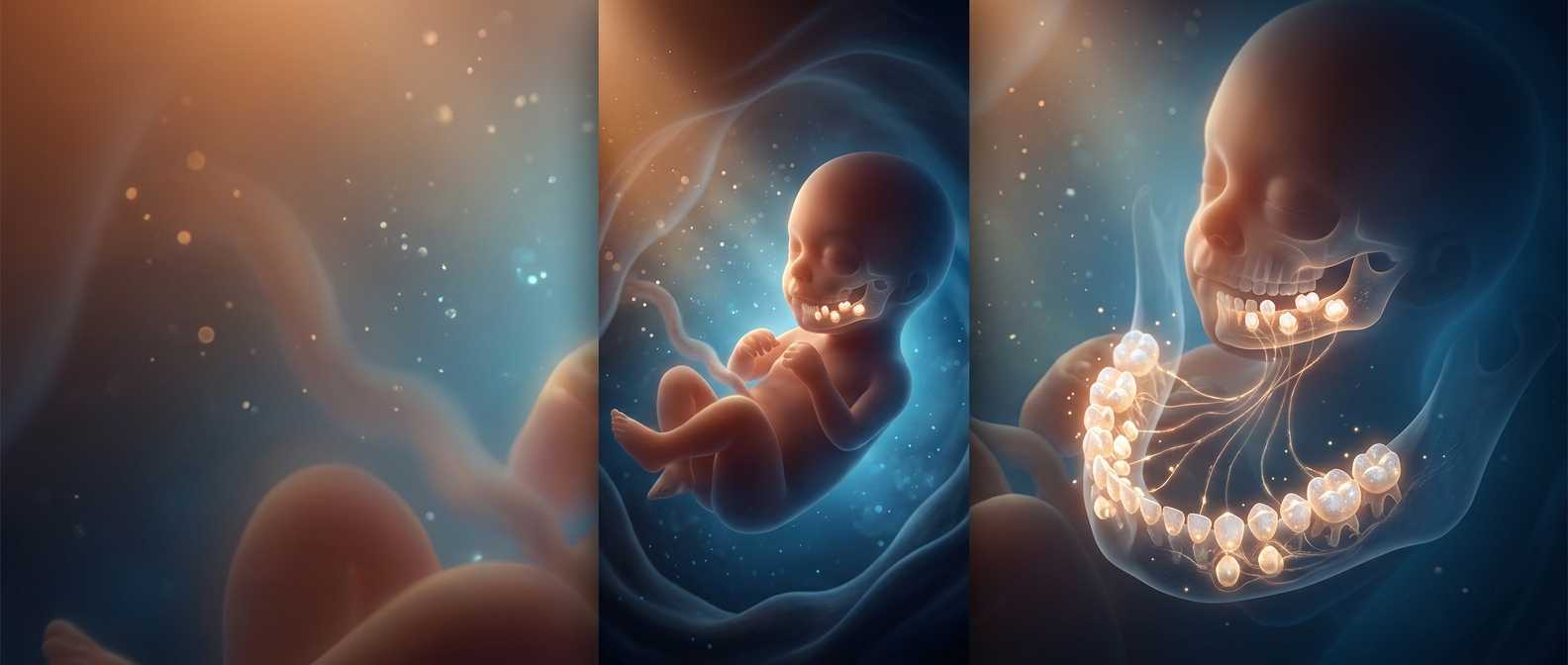
How past medical harm enters a pregnancy decision
Pregnancy can make ordinary questions about medicine feel unusually consequential: a treatment may affect both the person taking it and a developing or newborn child. When institutions have previously failed to recognize or prevent harm, that history can become part of how families weigh new medical advice. The concern is not simply fear of medicine; it may be a judgment about whether risks were fully tested, clearly explained, and taken seriously.
Thalidomide is one stark example of why those questions persist. Prescribed in some countries in the late 1950s and early 1960s for problems including nausea, it caused severe birth defects when taken during pregnancy. The disaster exposed how little was then understood about a drug’s effects on fetal development and helped drive stronger expectations for drug testing and oversight. It also left a lasting lesson: a treatment considered acceptable for adults may not be safe during pregnancy.
Why vaccination is a different kind of decision
Vaccines used during pregnancy are considered for a specific reason: infection itself can pose risks, and a newborn has limited protection while their immune system is still developing. After vaccination, the pregnant person’s immune system makes antibodies—proteins that recognize and help fight a germ. Some antibodies pass through the placenta, giving the baby temporary protection in the first months of life, before the baby can receive certain vaccines or build protection through exposure.
That does not make every vaccine appropriate at every point in pregnancy. Recommendations depend on the vaccine, the infection it prevents, and evidence about safety and timing. The important distinction is between a documented history of medical failure and the evidence for a particular vaccine today; neither should be used to dismiss the other.
Trust depends on being heard
When someone hesitates, a useful conversation makes room for both the historical reason for caution and the present-day evidence about benefits and risks. The decision is not only about what crosses the placenta: it is also about whether people feel that uncertainty and past harm have been acknowledged. For a newborn, that conversation can determine whether protective antibodies are already in place at birth.