Why the thyroid enlarges when iodine is scarce
The thyroid, a small gland at the front of the neck, makes hormones that help regulate energy use, growth, and development. To build those hormones, it needs iodine from food. When iodine intake stays low, the gland cannot make enough hormone. The brain responds by sending stronger signals to the thyroid to keep production going, and that repeated stimulation can make the gland grow. The resulting swelling is called a goiter.
Salt made prevention part of daily life
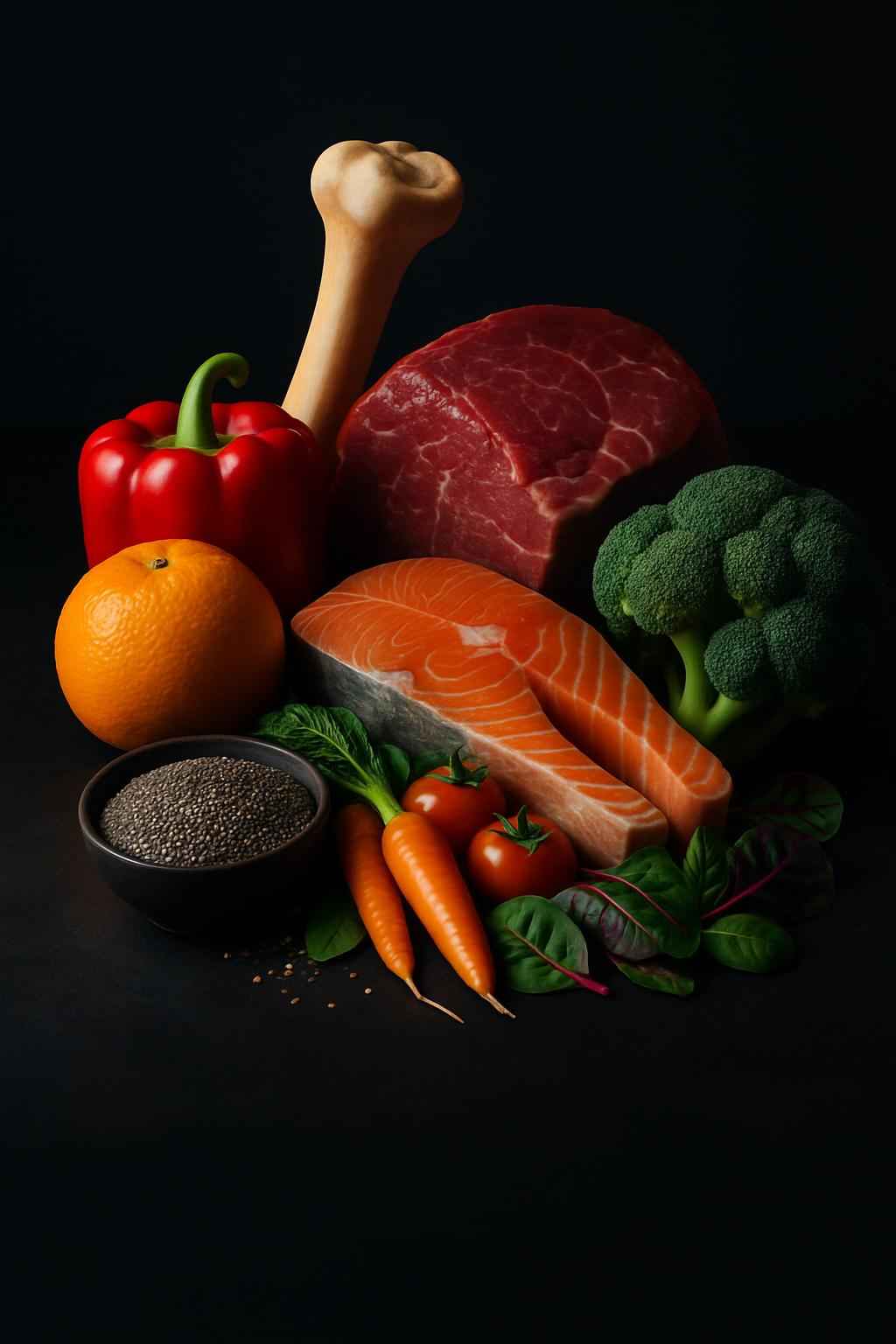
Iodine is naturally abundant in some foods, especially seafood, but how much people get from food can vary with diet and local growing conditions. In places where ordinary diets supplied too little, iodized salt offered a practical delivery route: salt was already used in many kitchens, and a small added amount of iodine could reach people through a familiar staple.
The key was consistency. Rather than asking each person to recognize a deficiency or seek treatment after a swelling appeared, iodization helped prevent the shortage across a population. It did not require people to change what they cooked or how they seasoned it; the intervention was built into the salt supply.
Prevention works upstream
Once the thyroid has enlarged, correcting iodine deficiency may not immediately reverse the change, especially if it has persisted for a long time. Supplying iodine before the gland is repeatedly pushed to compensate can prevent many deficiency-related goiters from developing in the first place.
That is the broader public-health lesson: a nutrient can be difficult to obtain reliably from varied diets, yet easier to provide through a widely used food. For many people, preventing a visible neck swelling came down to an ingredient they scarcely noticed.