The missing layer in a bowl of rice
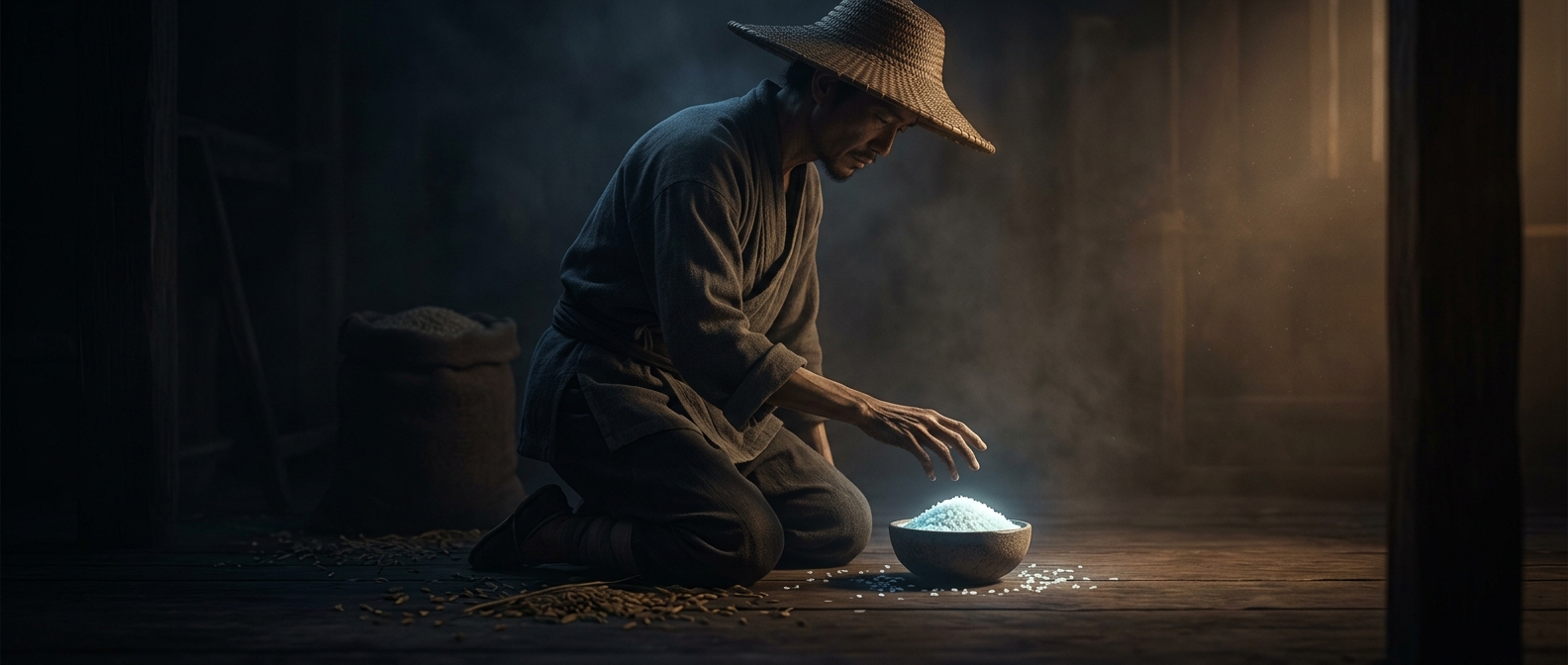
A rice grain is not just a starchy center. Its outer layers contain much of the grain’s thiamine, or vitamin B1, which helps cells release energy from food and supports normal nerve function. Polishing rubs away those layers to produce the pale, smooth grains many people recognize. The rice still supplies calories, but much less of this essential vitamin.
Why deficiency can become beriberi
The body cannot make enough thiamine on its own, so it must get a regular supply from food. When a diet relies heavily on polished rice and provides too little thiamine from other sources, the body’s stores run down. Cells then have trouble processing fuel, and nerves and other tissues are affected.
Beriberi is a severe form of thiamine deficiency. It can cause marked weakness and exhaustion; some forms also involve swelling, as the heart and circulation are affected. The symptoms reflect a basic mismatch: the body may receive plenty of energy in the form of food, yet lack the vitamin needed to use that energy normally.
A processing choice with a nutritional cost
The risk is not that polished rice is poisonous, or that one serving causes illness. It is what can happen when refining removes a nutrient and the refined grain becomes a dietary staple without enough replacement sources. Keeping more of the grain’s outer layers—or obtaining thiamine elsewhere—preserves what polishing takes away.
That is the striking tradeoff in the bowl: a grain can look cleaner and more uniform while losing part of what makes it nutritionally complete.