Why scurvy spread aboard ships
A ship could carry enough calories to keep its crew working and still lack the one nutrient needed to keep their bodies’ connective tissue intact. Vitamin C is required to make collagen, which helps hold blood vessels, gums, skin, and other tissues together. When a diet supplies too little for long enough, that structure begins to fail.
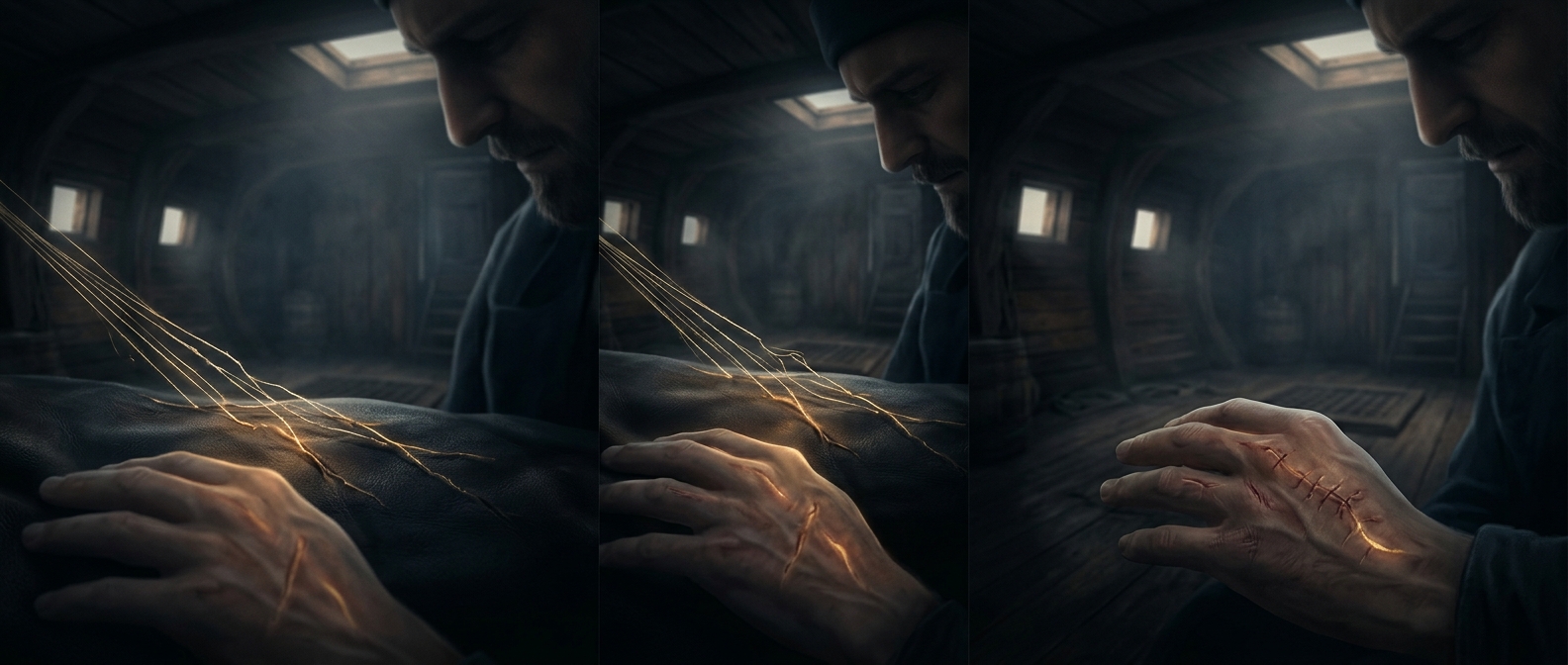
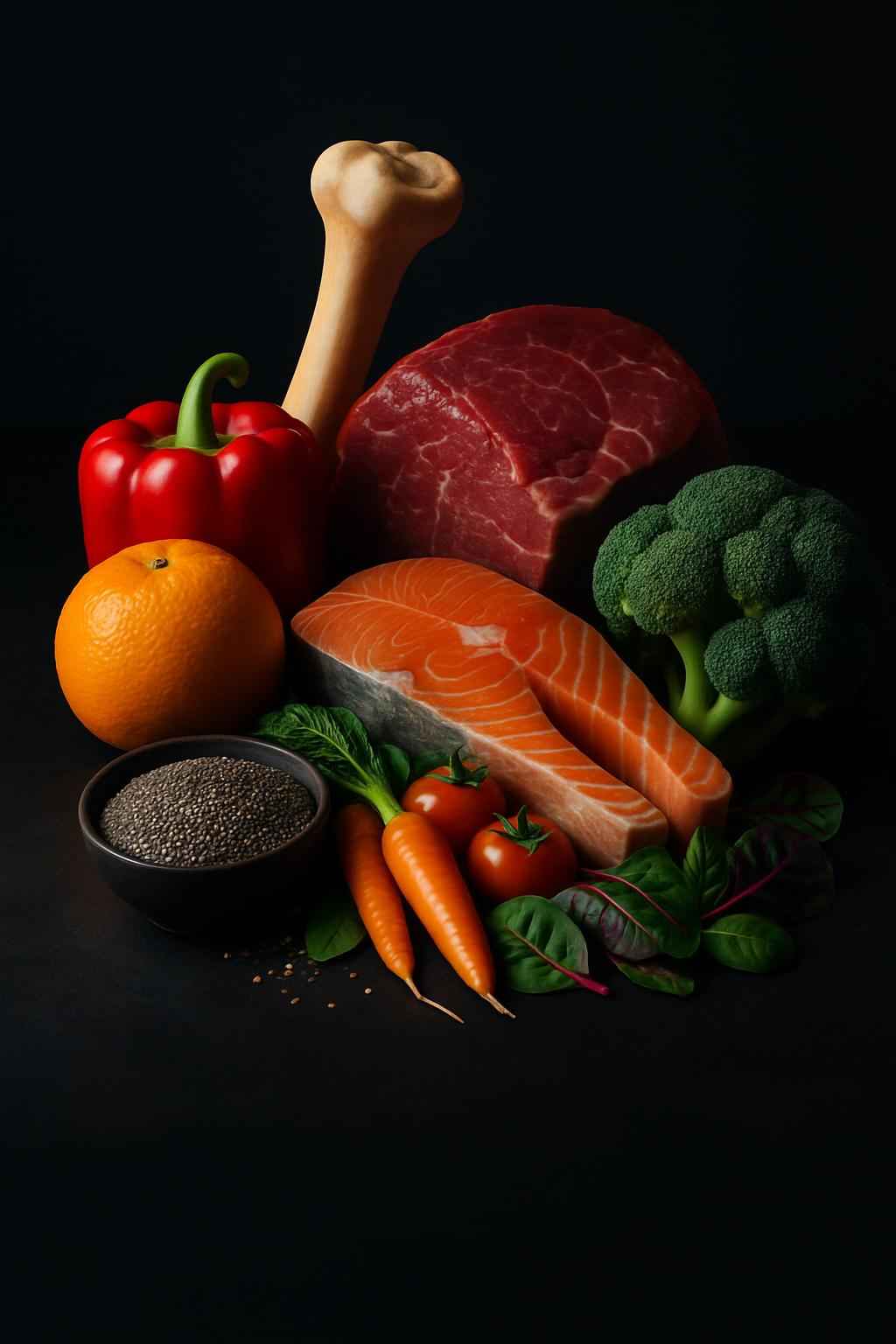
The damage could show up as swollen or bleeding gums, bruises, wounds that would not heal, weakness, and eventually life-threatening bleeding. These symptoms were especially dangerous at sea: a small injury could become serious, and a sailor weakened by disease was less able to work or recover. Fresh fruit and vegetables were among the most reliable sources of vitamin C, but they spoiled on long voyages, while many preserved shipboard foods supplied little or none.
The voyage made a dietary gap deadly
Scurvy did not require a dramatic accident or a single bad meal. It developed as a slow consequence of a monotonous diet over weeks or months. At sea, crews had few ways to replace missing fresh food, and distance from shore meant limited access to treatment. By the time the signs were obvious, many sailors could already be badly weakened.
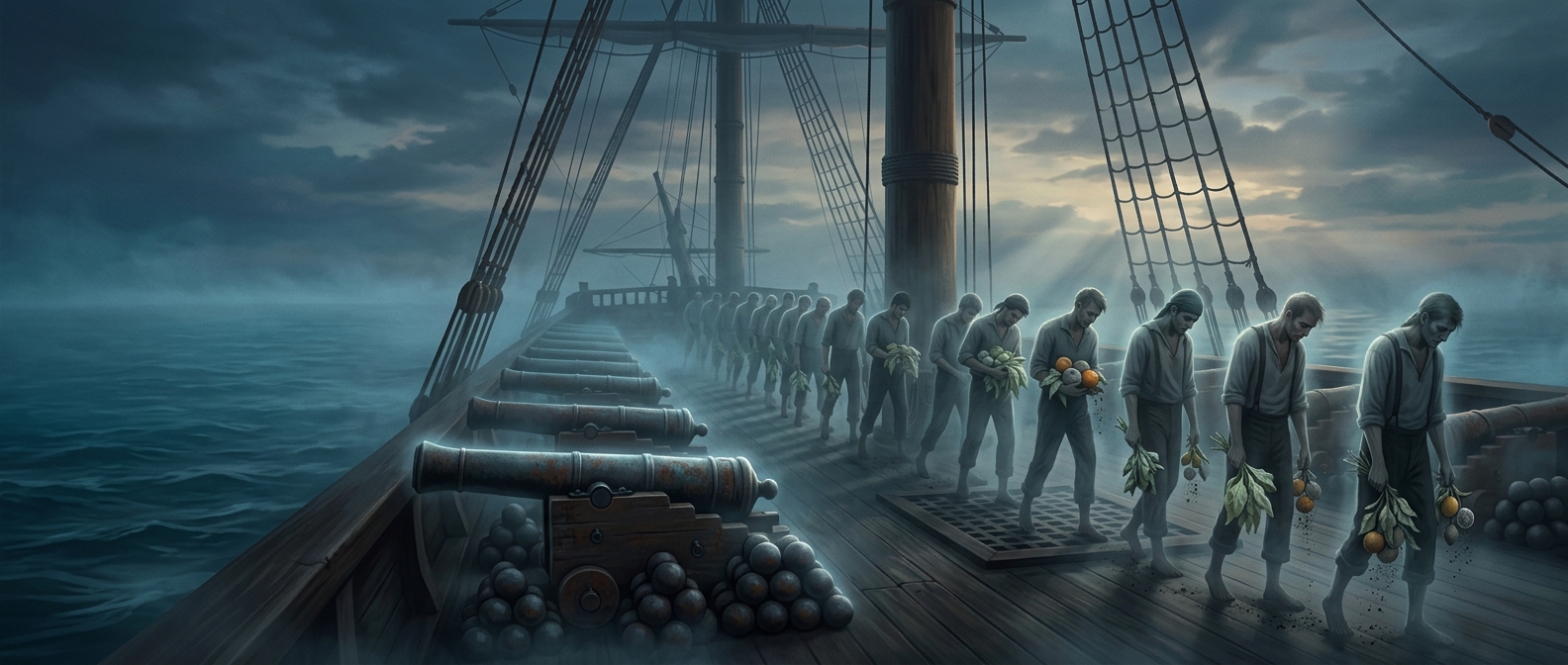
That helps explain how scurvy could kill more sailors than enemy fire: the greatest danger on a long voyage was not always combat. A ship’s provisions could quietly set up a medical crisis that affected the crew day after day, without an enemy ever appearing on the horizon.
The practical lesson was stark: preserving food for a voyage was not enough. Crews also needed a dependable source of vitamin C. A supply that prevented the slow breakdown of blood vessels and tissue could matter as much to survival as weapons or seamanship.