Why a healed wound can split again
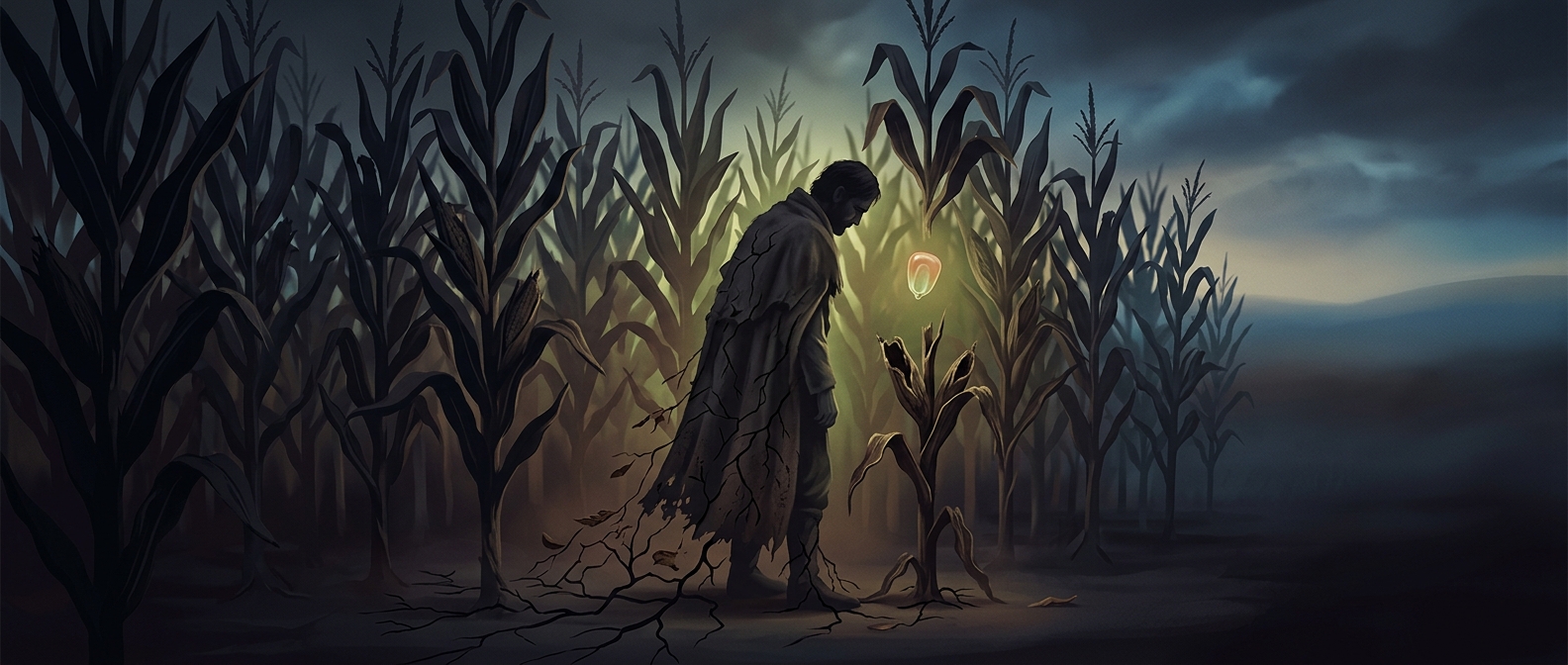
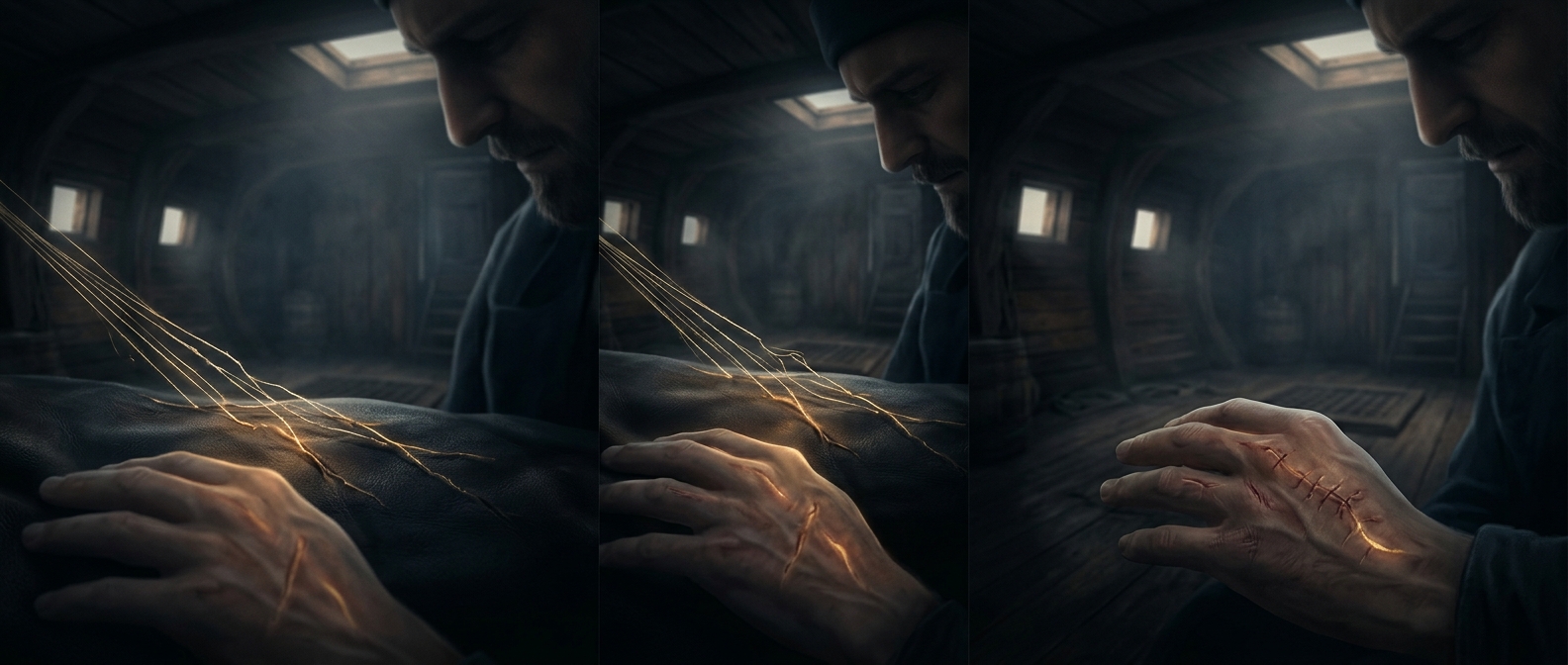
A scar may look finished, but it is living tissue. Collagen fibers—the structural strands that give skin strength—are continually made and reorganized as the body maintains and repairs tissue. Vitamin C is needed for enzymes that help stabilize those fibers. When vitamin C is severely lacking, newly made collagen is weaker and the tissue has less support.
That does not mean an old scar simply disappears. Rather, skin already weakened by scurvy can become fragile enough that ordinary stretching, pressure, or a minor bump makes a former wound break down. The same weakness can interfere with closing fresh cuts, so healing may be slow and incomplete.
A problem throughout the body
Collagen is also part of the scaffolding around small blood vessels. In scurvy, fragile vessels can leak, causing bruises or pinpoint spots of bleeding under the skin. Gums may swell or bleed, and soreness or bleeding around hair follicles can occur. These signs help explain why scurvy is more than a wound-healing problem: vitamin C shortage undermines connective tissue in many places at once.
The consequences can compound. A small injury is harder to repair, while fragile tissue is easier to injure again. Restoring vitamin C allows the body to resume making stable collagen, but the key lesson is that a scar’s apparent closure is not proof that its underlying tissue can remain strong without the materials needed to maintain it.