Why adult bones can soften
Bone is living tissue, constantly being broken down and rebuilt. To become firm, newly formed bone must take up minerals—especially calcium and phosphate. Vitamin D helps the body absorb calcium from food and maintain enough calcium in the blood for this process. When severe vitamin D deficiency persists, mineralization falters: the body may still make the protein framework of bone, but that framework does not harden normally.
In adults, this condition is called osteomalacia. It differs from osteoporosis, in which bone becomes less dense and more fragile. Osteomalacia leaves too much newly formed bone poorly mineralized, so the skeleton can be painful and less able to withstand ordinary forces.
How softness becomes bending
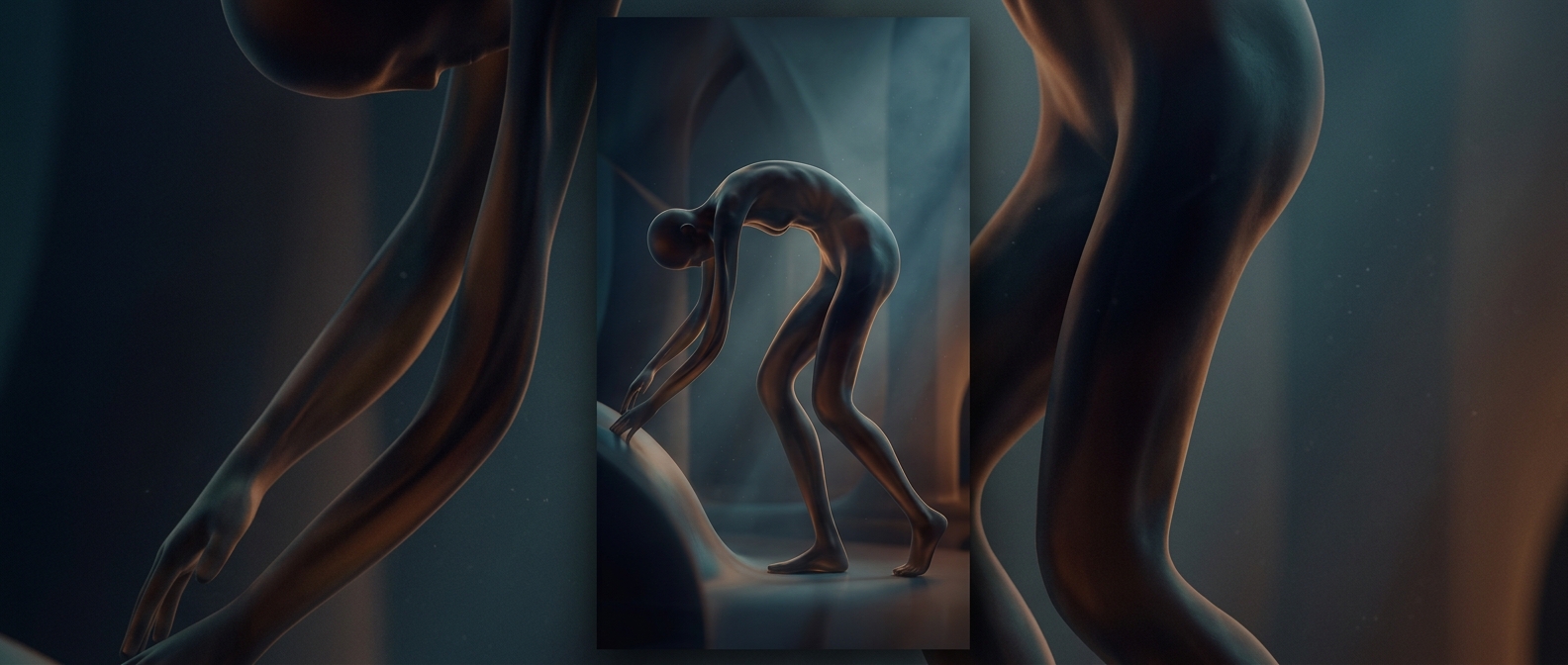
A firm bone distributes a person’s weight through a rigid structure. A poorly mineralized bone behaves more like a support that has lost stiffness: repeated loading can make it deform rather than hold its shape. The pelvis, legs, and other weight-bearing areas are especially exposed to those forces. Severe cases can also lead to fractures, sometimes after stresses that would not normally break healthy bone.
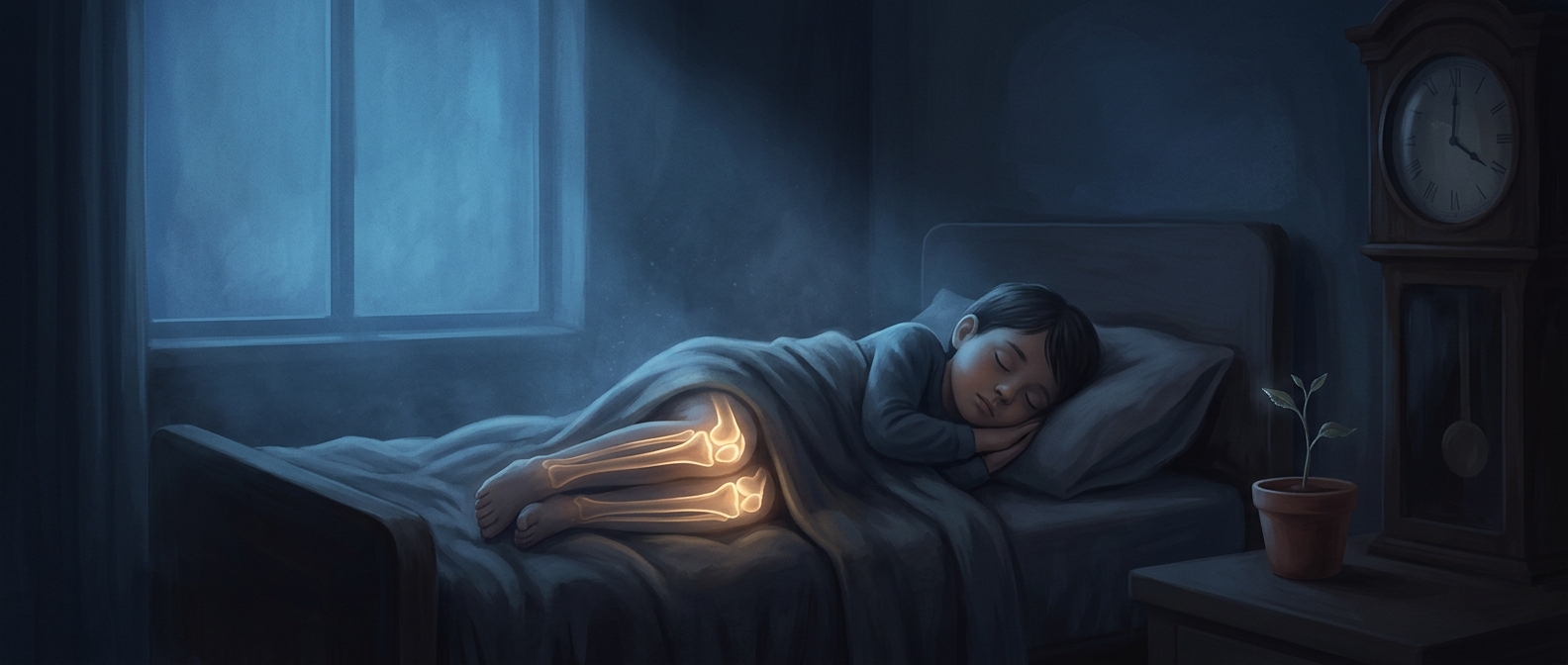
The change is not necessarily visible from the outside. People may first notice deep bone pain, tenderness, muscle weakness, or difficulty walking. Weak muscles can add to the strain by making movement harder and less steady.
Restoring the material
Treatment addresses the cause of poor mineralization, often by correcting vitamin D deficiency and ensuring adequate calcium; the right approach depends on why the deficiency developed. As mineral supply improves, bone can mineralize again, though recovery takes time. The key is that bone’s strength depends not only on having a framework, but also on the minerals that turn that framework into a load-bearing structure.